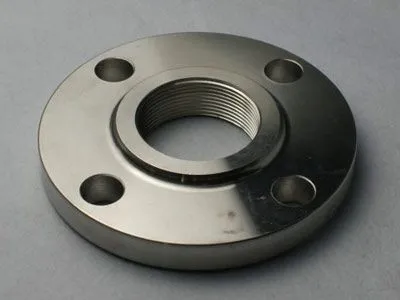
Hey there! I'm a supplier of forged plugs, and I often get asked about how to clean these things properly. Forged plugs are essential in various industries, from plumbing to oil and gas. They're used to seal the ends of pipes and prevent leaks. Keeping them clean not only ensures their functionality but also extends their lifespan. So, let's dive into the nitty - gritty of cleaning forged plugs.
Why Cleaning Forged Plugs is a Big Deal
Before we get into the how - to, let's talk about why cleaning is so important. Forged plugs can accumulate dirt, debris, and even corrosive substances over time. If left uncleaned, these deposits can cause damage to the plug's surface, leading to leaks or even complete failure. Also, in industries where hygiene is crucial, like food and beverage or pharmaceuticals, dirty forged plugs can contaminate the product flowing through the pipes.
Tools You'll Need
To clean forged plugs effectively, you'll need a few basic tools. First off, you'll need a good brush. A wire brush is great for removing tough, caked - on dirt and rust. For more delicate cleaning, a soft - bristle brush, like a toothbrush, can be handy. You'll also need a cleaning solution. Depending on the type of dirt and the material of the forged plug, you can choose from a range of options. For general cleaning, a mild detergent mixed with water works well. For more stubborn stains or rust, you might need a specialized rust remover or a solvent. Gloves are a must to protect your hands from the cleaning solution and any sharp edges on the plug. And don't forget some clean rags or towels for drying.
Step - by - Step Cleaning Process
Step 1: Inspection
Before you start cleaning, take a good look at the forged plug. Check for any signs of damage, such as cracks or chips. If you notice any serious damage, it might be time to replace the plug rather than trying to clean it. Also, note the type and location of the dirt or debris. This will help you decide which cleaning method and solution to use.
Step 2: Pre - Cleaning
If there's a lot of loose dirt or debris on the plug, start by using a dry brush to remove as much as possible. This will make the actual cleaning process easier. You can gently tap the plug to dislodge any stubborn particles.


Step 3: Soaking
Fill a container with your chosen cleaning solution. Make sure the container is large enough to fully submerge the forged plug. Place the plug in the solution and let it soak for a while. The soaking time depends on the severity of the dirt. For light dirt, 15 - 20 minutes might be enough. For heavy rust or stubborn stains, you might need to soak it for a few hours or even overnight.
Step 4: Scrubbing
After soaking, take the plug out of the solution and use your brush to scrub it. Start with the wire brush for tough areas and then switch to the soft - bristle brush for more detailed cleaning. Pay special attention to the threads of the plug, as dirt can easily get trapped there. Scrub in a circular motion to ensure you cover all areas.
Step 5: Rinsing
Once you've finished scrubbing, rinse the plug thoroughly with clean water. Make sure to remove all traces of the cleaning solution. You can use a hose or a bucket of clean water for this step.
Step 6: Drying
Use a clean rag or towel to dry the plug completely. Moisture can lead to rust and corrosion, so it's important to get rid of all the water. You can also let the plug air - dry for a few hours to make sure it's completely dry.
Special Considerations for Different Materials
Forged plugs can be made from various materials, and each material requires a slightly different cleaning approach.
Stainless Steel Forged Plugs
Stainless steel is a popular choice for forged plugs because it's resistant to corrosion. For general cleaning, a mild detergent and water solution is usually enough. Avoid using abrasive cleaners or steel wool, as they can scratch the surface of the stainless steel and make it more prone to corrosion. If there's rust on the stainless steel plug, you can use a specialized stainless - steel rust remover.
Brass Forged Plugs
Brass plugs are known for their good conductivity and corrosion resistance. To clean brass plugs, you can use a brass cleaner or a mixture of vinegar and salt. Soak the plug in the solution for a short time and then gently scrub it with a soft brush. Rinse and dry the plug thoroughly to prevent tarnishing.
Carbon Steel Forged Plugs
Carbon steel plugs are strong but more susceptible to rust. For cleaning carbon steel plugs, you can use a rust remover if there's rust present. After removing the rust, apply a protective coating, such as a rust - inhibiting paint or oil, to prevent future rusting.
Maintenance Tips
Cleaning is just one part of keeping your forged plugs in good condition. Regular maintenance can help prevent dirt and corrosion from building up in the first place.
- Lubrication: Apply a small amount of lubricant to the threads of the forged plug after cleaning. This will make it easier to install and remove the plug and also protect the threads from damage.
- Storage: Store forged plugs in a dry, clean place. If possible, keep them in a container or a bag to protect them from dust and moisture.
- Regular Inspections: Check your forged plugs regularly for signs of wear, damage, or corrosion. Early detection can save you from costly replacements.
Related Forged Fittings
If you're in the market for other forged fittings, we've got you covered. We also supply Union, Swage Nipples, and Bw Olets. These fittings are made with the same high - quality standards as our forged plugs and are essential for a wide range of piping systems.
Wrapping Up
Cleaning forged plugs is not as complicated as it might seem. With the right tools, cleaning solutions, and a bit of patience, you can keep your forged plugs in top - notch condition. Whether you're a DIY enthusiast or a professional in the industry, proper cleaning and maintenance of forged plugs are crucial for the smooth operation of your piping systems.
If you're interested in purchasing high - quality forged plugs or any of our other forged fittings, feel free to reach out. We're always ready to assist you with your procurement needs and answer any questions you might have. Let's get your piping projects up and running with the best - in - class forged products!
References
- "Piping Handbook" by Cameron Engineering and Associates
- "Industrial Piping Design Handbook" by Larry J. Stephens