What is the connection strength of swage nipples?
As a seasoned supplier of swage nipples, I've witnessed firsthand the critical role these components play in various industrial applications. Swage nipples, also known as reducing nipples, are used to connect pipes of different sizes. Their connection strength is a topic of great interest to engineers, contractors, and anyone involved in piping systems. In this blog, I'll delve into the factors that influence the connection strength of swage nipples and why it matters.
Understanding Swage Nipples
Swage nipples are typically made from materials such as carbon steel, stainless steel, or alloy steel. They come in different sizes and configurations, including threaded and socket-welded ends. The primary function of a swage nipple is to provide a smooth transition between pipes of different diameters, ensuring a secure and leak-free connection.
Factors Affecting Connection Strength
- Material Quality
The quality of the material used to manufacture swage nipples is crucial for their connection strength. High-quality materials, such as Carbon Steel Nipples, offer better resistance to corrosion, pressure, and temperature variations. For example, carbon steel is known for its high strength and durability, making it a popular choice for many industrial applications. - Manufacturing Process
The manufacturing process also plays a significant role in determining the connection strength of swage nipples. Precision forging and machining techniques ensure that the nipples have accurate dimensions and smooth surfaces, which are essential for a tight and reliable connection. Additionally, proper heat treatment can enhance the mechanical properties of the material, further improving the connection strength. - Threading and Welding
The type of connection method used, whether it's threading or welding, can greatly impact the strength of the joint. Threaded swage nipples rely on the engagement of threads to create a secure connection. The quality of the threads, including their pitch, depth, and surface finish, is critical for ensuring a tight fit. On the other hand, socket-welded swage nipples are joined by welding, which provides a strong and permanent connection. However, proper welding techniques and procedures must be followed to ensure the integrity of the weld. - Installation and Maintenance
Even the highest-quality swage nipples can fail if they are not installed or maintained correctly. Improper installation, such as over-tightening or under-tightening the threads, can lead to leaks or joint failure. Regular maintenance, including inspection for signs of corrosion, wear, or damage, is also essential for ensuring the long-term performance of the connection.
Importance of Connection Strength
The connection strength of swage nipples is of utmost importance in many industrial applications. In piping systems, a weak or faulty connection can lead to leaks, which can result in significant losses of fluids or gases. This not only poses a safety hazard but also can cause environmental damage and financial losses. Additionally, a strong connection is necessary to withstand the pressure and stress exerted on the piping system, ensuring its reliable operation.
Applications of Swage Nipples
Swage nipples are widely used in various industries, including oil and gas, chemical, power generation, and water treatment. In the oil and gas industry, for example, swage nipples are used to connect pipes in pipelines, refineries, and offshore platforms. They are also used in chemical plants to transfer corrosive chemicals safely. In power generation plants, swage nipples are used in steam and water piping systems.
Comparing Swage Nipples with Other Fittings
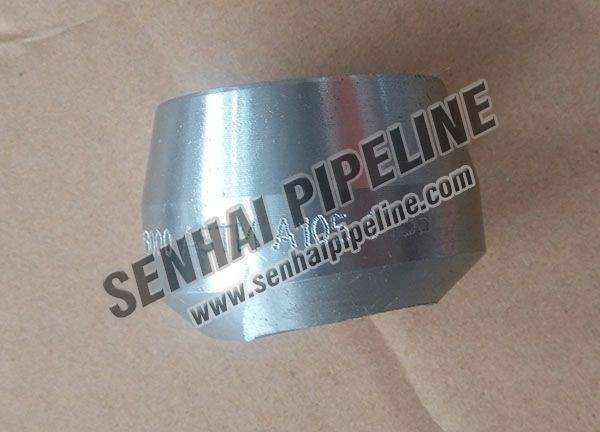
When it comes to connecting pipes of different sizes, swage nipples are not the only option. Other fittings, such as Carbon Steel Threaded Elbow and Socket Welded Olets, can also be used. However, swage nipples offer several advantages over these fittings. They provide a more direct transition between pipes of different sizes, which can reduce pressure drop and improve the flow efficiency of the system. Additionally, swage nipples are relatively easy to install and maintain, making them a cost-effective solution for many applications.

Conclusion
In conclusion, the connection strength of swage nipples is influenced by several factors, including material quality, manufacturing process, threading and welding, and installation and maintenance. A strong connection is essential for ensuring the safe and reliable operation of piping systems in various industries. As a supplier of swage nipples, I understand the importance of providing high-quality products that meet the strictest industry standards. If you're in need of swage nipples or have any questions about their connection strength, I encourage you to contact me for more information. I'm here to help you find the right solution for your specific application.
References
- ASME B16.11 - Forged Fittings, Socket-Welding and Threaded
- API 602 - Compact Steel Gate, Globe, and Check Valves
- ASTM A105 - Standard Specification for Carbon Steel Forgings for Piping Applications