Calculating the torque value for a Lap Joint Flange is a critical process that ensures the proper functioning and safety of piping systems. As a Lap Joint Flange supplier, I understand the importance of providing accurate information to our customers on this topic. In this blog post, I will guide you through the steps of calculating the torque value for a Lap Joint Flange, explain the factors that influence it, and highlight the significance of proper torque application.
Understanding Lap Joint Flanges
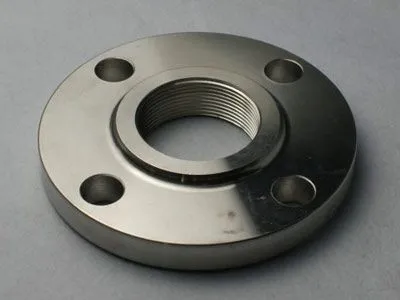
Before delving into torque calculation, it's essential to have a basic understanding of Lap Joint Flanges. A Lap Joint Flange consists of two parts: a loose flange and a lap joint stub end. The loose flange can rotate freely around the stub end, which is welded to the pipe. This design allows for easy alignment during installation and is commonly used in applications where frequent disassembly is required.
Factors Affecting Torque Value
Several factors influence the torque value required for a Lap Joint Flange. These include:
- Bolt Size and Grade: The size and grade of the bolts used in the flange connection determine their strength and the amount of force they can withstand. Larger bolts and higher-grade materials generally require more torque.
- Flange Size and Pressure Class: The size of the flange and its pressure class affect the sealing force needed to prevent leaks. Larger flanges and higher pressure classes typically require higher torque values.
- Gasket Material and Thickness: The type of gasket used between the flanges and its thickness play a crucial role in determining the torque value. Different gasket materials have different compression characteristics, and the thickness of the gasket affects the amount of compression required to achieve a proper seal.
- Lubrication: The use of lubricants on the bolt threads and flange surfaces can reduce friction and affect the torque value. Lubricated bolts require less torque to achieve the same clamping force compared to dry bolts.
Torque Calculation Steps
The following steps outline the process of calculating the torque value for a Lap Joint Flange:
- Determine the Bolt Tension: The first step is to calculate the required bolt tension. This can be done using the formula:
[T = \frac{F \times d}{K}]
where (T) is the torque value (in lb-ft or Nm), (F) is the required bolt tension (in lb or N), (d) is the bolt diameter (in inches or mm), and (K) is the torque coefficient. - Calculate the Required Bolt Tension: The required bolt tension can be determined based on the flange size, pressure class, and gasket material. It is typically specified in industry standards such as ASME B16.5 or API 6A.
- Determine the Torque Coefficient: The torque coefficient ((K)) accounts for the friction between the bolt threads and the nut, as well as the friction between the bolt head and the flange surface. The value of (K) depends on factors such as the surface finish, lubrication, and bolt material. It is usually provided by the bolt manufacturer or can be determined through testing.
- Calculate the Torque Value: Once the bolt tension and torque coefficient are known, the torque value can be calculated using the formula mentioned above.
Example Calculation
Let's consider an example to illustrate the torque calculation process. Suppose we have a Lap Joint Flange with the following specifications:
- Bolt size: 1/2 inch diameter
- Bolt grade: ASTM A193 Grade B7
- Flange size: 4 inches
- Pressure class: 150 psi
- Gasket material: Compressed asbestos fiber
- Lubrication: Dry
- Determine the Required Bolt Tension: Based on the flange size and pressure class, the required bolt tension can be found in the ASME B16.5 standard. For a 4-inch flange with a 150 psi pressure class, the required bolt tension is approximately 3,000 lb per bolt.
- Determine the Torque Coefficient: For dry bolts, the torque coefficient ((K)) is typically around 0.2.
- Calculate the Torque Value: Using the formula (T = \frac{F \times d}{K}), we can calculate the torque value as follows:
[T = \frac{3000 \times 0.5}{0.2} = 7500 \text{ lb-in}]
Converting to lb-ft, we get (T = \frac{7500}{12} = 625 \text{ lb-ft})
Importance of Proper Torque Application
Applying the correct torque value to the bolts of a Lap Joint Flange is crucial for several reasons:
- Sealing Integrity: Proper torque ensures that the gasket is compressed evenly, creating a tight seal between the flanges. This prevents leaks and maintains the integrity of the piping system.
- Bolt Integrity: Over-tightening or under-tightening the bolts can lead to bolt failure. Over-tightening can cause the bolts to stretch or break, while under-tightening can result in insufficient clamping force, leading to gasket failure and leaks.
- System Safety: A properly torqued flange connection reduces the risk of accidents and ensures the safe operation of the piping system. Leaks can pose a significant safety hazard, especially in applications involving hazardous fluids or high pressures.
Torque Application Techniques
To ensure accurate torque application, it is recommended to use the following techniques:


- Torque Wrenches: Use a calibrated torque wrench to apply the specified torque value. Torque wrenches come in various types, including click-type, beam-type, and digital torque wrenches.
- Sequence of Bolt Tightening: Follow a specific sequence when tightening the bolts to ensure even distribution of the clamping force. A common sequence is to tighten the bolts in a star pattern, starting from the center and working outward.
- Re-torquing: After the initial installation, it is advisable to re-torque the bolts after a period of operation to account for any relaxation or settling of the gasket.
Other Types of Flanges
In addition to Lap Joint Flanges, there are other types of flanges commonly used in piping systems. Two examples are Blind Flanges and Carbon Steel Plate Flanges.
- Blind Flanges: Blind Flanges are used to seal the end of a pipe or vessel. They are typically used in applications where access to the interior of the pipe or vessel is required for maintenance or inspection.
- Carbon Steel Plate Flanges: Carbon Steel Plate Flanges are made from carbon steel plates and are commonly used in low-pressure applications. They are available in various sizes and pressure classes and are suitable for a wide range of industries.
Conclusion
Calculating the torque value for a Lap Joint Flange is a complex process that requires careful consideration of several factors. As a Lap Joint Flange supplier, we are committed to providing our customers with the necessary information and support to ensure the proper installation and operation of our products. By following the steps outlined in this blog post and using the recommended torque application techniques, you can ensure the sealing integrity, bolt integrity, and system safety of your piping systems.
If you have any questions or need further assistance with calculating the torque value for a Lap Joint Flange or any other flange-related products, please feel free to contact us for a procurement discussion. We look forward to serving you and meeting your flange requirements.
References
- ASME B16.5 - Pipe Flanges and Flanged Fittings
- API 6A - Specification for Wellhead and Christmas Tree Equipment
- Bolt Manufacturer's Technical Data Sheets