

Forged fittings are essential components in various industrial applications, known for their durability, strength, and versatility. One of the critical aspects that often goes unnoticed but significantly impacts their performance is thermal conductivity. In this blog, as a forged fittings supplier, I will delve into the thermal conductivity properties of forged fittings, exploring what it means, why it matters, and how it affects different types of forged fittings.
Understanding Thermal Conductivity
Thermal conductivity is a measure of a material's ability to conduct heat. It is defined as the quantity of heat (in watts) transmitted through a unit thickness (in meters) of a material in a direction normal to a surface of unit area (in square meters) due to a unit temperature gradient (in kelvins per meter) under steady-state conditions. In simpler terms, it tells us how quickly heat can pass through a material.
The thermal conductivity of a material is denoted by the symbol "k" and is measured in watts per meter-kelvin (W/m·K). A high thermal conductivity value indicates that the material can transfer heat rapidly, while a low value means that the material is a poor conductor of heat and acts as an insulator.
Factors Affecting Thermal Conductivity of Forged Fittings
Several factors influence the thermal conductivity of forged fittings, including:
Material Composition
The type of material used in the forging process plays a significant role in determining the thermal conductivity of the fittings. Different metals and alloys have distinct thermal conductivity values. For example, copper and aluminum are known for their high thermal conductivity, making them excellent choices for applications where efficient heat transfer is required. On the other hand, stainless steel has a relatively lower thermal conductivity, which can be advantageous in applications where heat insulation is needed.
Microstructure
The microstructure of the forged material also affects its thermal conductivity. The presence of impurities, grain boundaries, and dislocations can impede the flow of heat, reducing the thermal conductivity. Forged fittings with a fine-grained microstructure generally have better thermal conductivity than those with a coarse-grained structure.
Temperature
Thermal conductivity is temperature-dependent. In general, the thermal conductivity of most metals decreases with increasing temperature. This is because as the temperature rises, the lattice vibrations in the metal increase, which scatters the heat-carrying electrons and reduces their mean free path.
Manufacturing Process
The forging process can also influence the thermal conductivity of the fittings. Proper forging techniques can improve the material's density and reduce internal defects, resulting in better thermal conductivity. Additionally, heat treatment processes such as annealing can alter the microstructure of the material, affecting its thermal conductivity.

Thermal Conductivity of Common Forged Fittings Materials
Let's take a look at the thermal conductivity properties of some common materials used in forged fittings:
Carbon Steel
Carbon steel is one of the most widely used materials in forged fittings due to its high strength, affordability, and good weldability. The thermal conductivity of carbon steel typically ranges from 40 to 55 W/m·K at room temperature. This relatively high thermal conductivity makes carbon steel suitable for applications where heat transfer is required, such as in heating and cooling systems.
Stainless Steel
Stainless steel is known for its corrosion resistance and aesthetic appeal. However, its thermal conductivity is lower than that of carbon steel, typically ranging from 15 to 20 W/m·K at room temperature. The lower thermal conductivity of stainless steel can be beneficial in applications where heat insulation is needed, such as in chemical processing plants and food processing equipment.
Alloy Steel
Alloy steel is a type of steel that contains additional elements such as chromium, nickel, and molybdenum to enhance its mechanical properties. The thermal conductivity of alloy steel varies depending on the specific alloy composition. Generally, alloy steels have thermal conductivity values similar to or slightly lower than carbon steel.
Copper and Copper Alloys
Copper and copper alloys are known for their excellent thermal conductivity. Copper has a thermal conductivity of approximately 400 W/m·K at room temperature, making it one of the best conductors of heat among metals. Copper alloys, such as brass and bronze, also have high thermal conductivity values, although they are slightly lower than that of pure copper. These materials are commonly used in applications where efficient heat transfer is crucial, such as in heat exchangers and electrical components.
Importance of Thermal Conductivity in Forged Fittings Applications
The thermal conductivity of forged fittings is an important consideration in various industrial applications, including:
Heat Exchangers
In heat exchangers, forged fittings are used to connect pipes and transfer heat between different fluids. Fittings with high thermal conductivity, such as those made of copper or aluminum, are preferred in heat exchangers to ensure efficient heat transfer.
Power Generation
In power generation plants, forged fittings are used in steam and water systems. The thermal conductivity of the fittings can affect the efficiency of the power generation process. Fittings with high thermal conductivity can help transfer heat more effectively, reducing energy losses and improving overall efficiency.
Chemical Processing
In chemical processing plants, forged fittings are used to transport various chemicals and fluids. The thermal conductivity of the fittings can impact the temperature control of the process. Fittings with low thermal conductivity can help maintain a stable temperature, preventing unwanted chemical reactions and ensuring the safety and efficiency of the process.
Food and Beverage Industry
In the food and beverage industry, forged fittings are used in processing and packaging equipment. The thermal conductivity of the fittings can affect the heating and cooling processes, which are crucial for maintaining the quality and safety of the products. Fittings with appropriate thermal conductivity can help ensure uniform heating and cooling, preventing overheating or undercooling of the products.
Thermal Conductivity of Specific Forged Fittings
Let's explore the thermal conductivity properties of some specific types of forged fittings:
Union
A union is a type of forged fitting used to connect two pipes together. It allows for easy disassembly and reassembly of the pipes, making it convenient for maintenance and repairs. The thermal conductivity of a union depends on the material used. Unions made of materials with high thermal conductivity, such as copper or aluminum, can transfer heat more effectively than those made of materials with low thermal conductivity, such as stainless steel.
Socket Welded Olets
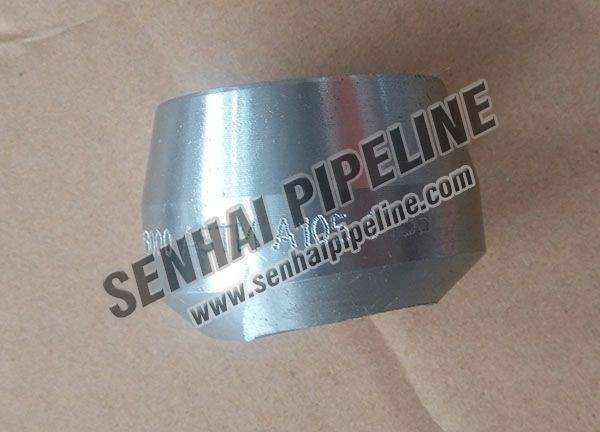
Socket welded olets are used to create branch connections in pipes. They are welded onto the main pipe using a socket weld. The thermal conductivity of socket welded olets can affect the heat transfer between the main pipe and the branch pipe. Olets made of materials with high thermal conductivity can help ensure efficient heat transfer, while those made of materials with low thermal conductivity can provide better heat insulation.
Socket Welded Equal Tee
A socket welded equal tee is a type of forged fitting used to create a three-way connection in pipes. It has three equal-sized openings and is welded onto the pipes using a socket weld. The thermal conductivity of a socket welded equal tee can impact the heat distribution in the pipe system. Tees made of materials with high thermal conductivity can help distribute heat more evenly, while those made of materials with low thermal conductivity can prevent heat loss.
Conclusion
In conclusion, the thermal conductivity of forged fittings is an important property that can significantly impact their performance in various industrial applications. Understanding the factors that affect thermal conductivity and the thermal conductivity properties of different materials and types of forged fittings is crucial for selecting the right fittings for specific applications. As a forged fittings supplier, we offer a wide range of forged fittings made from different materials to meet the diverse needs of our customers. Whether you need fittings with high thermal conductivity for efficient heat transfer or fittings with low thermal conductivity for heat insulation, we can provide you with the right solutions.
If you are interested in purchasing forged fittings or have any questions about their thermal conductivity properties, please feel free to contact us. Our team of experts is ready to assist you in finding the best fittings for your specific requirements.
References
- Incropera, F. P., & DeWitt, D. P. (2002). Fundamentals of Heat and Mass Transfer. John Wiley & Sons.
- Holman, J. P. (2002). Heat Transfer. McGraw-Hill.
- ASME B16.11 - Forged Fittings, Socket-Welded and Threaded.


