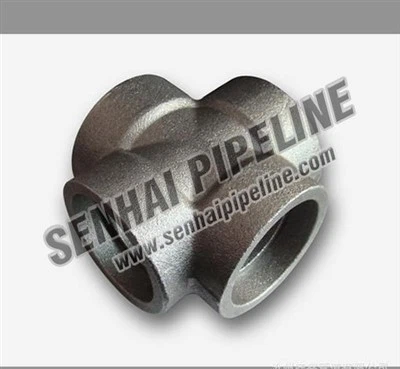
Hey there! I'm a supplier of Forged Lateral Tees, and I know a thing or two about getting the certification for these nifty pipe fittings. In this blog, I'll walk you through the process, share some tips, and let you know why certification matters. So, let's dive in!
Why Certification Matters
First off, you might be wondering why getting a certification for your Forged Lateral Tees is such a big deal. Well, it's all about quality and safety. When you have a certified Forged Lateral Tee, it means that the fitting has met certain standards set by recognized organizations. This gives your customers peace of mind, knowing that they're getting a product that's reliable and up to par.
Certification also helps you stand out in the market. There are a lot of suppliers out there, but not all of them have the proper certifications. By having a certified product, you can show your customers that you're committed to quality and that you take your business seriously. This can lead to more sales and a better reputation in the industry.
Understanding the Standards
Before you can get your Forged Lateral Tees certified, you need to understand the standards that they need to meet. There are several organizations that set these standards, such as the American Society for Testing and Materials (ASTM), the American National Standards Institute (ANSI), and the International Organization for Standardization (ISO).
Each organization has its own set of standards for Forged Lateral Tees, which cover things like material composition, dimensions, and performance. For example, ASTM A105 is a common standard for carbon steel forgings, including Forged Lateral Tees. This standard specifies the chemical composition, mechanical properties, and heat treatment requirements for the material.
It's important to note that different industries may have different standards that they require. For example, the oil and gas industry may have more stringent standards for Forged Lateral Tees than the plumbing industry. So, it's important to do your research and make sure that you're meeting the standards that are relevant to your target market.


The Certification Process
Once you understand the standards that your Forged Lateral Tees need to meet, it's time to start the certification process. Here's a general overview of the steps involved:
- Choose a Certification Body: The first step is to choose a certification body that is recognized by the relevant standards organization. There are many certification bodies out there, so it's important to do your research and choose one that has a good reputation and experience in certifying Forged Lateral Tees.
- Submit an Application: Once you've chosen a certification body, you'll need to submit an application for certification. This application will typically include information about your company, your products, and the standards that you're applying for.
- Product Testing: After you've submitted your application, the certification body will typically require you to have your Forged Lateral Tees tested to ensure that they meet the relevant standards. This testing may include things like chemical analysis, mechanical testing, and dimensional inspection.
- Factory Audit: In addition to product testing, the certification body may also conduct a factory audit to ensure that your manufacturing processes are in compliance with the relevant standards. This audit will typically include an inspection of your facilities, your quality control procedures, and your documentation.
- Certification Issuance: If your Forged Lateral Tees pass the product testing and the factory audit, the certification body will issue you a certificate of compliance. This certificate will typically include information about the standards that your products meet, as well as the date of issuance and the expiration date.
Tips for a Successful Certification
Getting your Forged Lateral Tees certified can be a complex and time-consuming process, but there are some things that you can do to make it easier and more successful. Here are some tips:
- Start Early: The certification process can take several months, so it's important to start early and give yourself plenty of time to prepare. This will allow you to address any issues that may arise during the process and ensure that you meet the deadlines.
- Work with a Reputable Supplier: If you're sourcing your Forged Lateral Tees from a supplier, make sure that they have a good reputation and experience in producing certified products. This will help to ensure that your products meet the relevant standards and that the certification process goes smoothly.
- Invest in Quality Control: Quality control is essential for ensuring that your Forged Lateral Tees meet the relevant standards. Make sure that you have a robust quality control system in place, including regular inspections and testing of your products.
- Keep Good Records: Keeping good records is important for demonstrating that your products meet the relevant standards. Make sure that you keep records of all your product testing, inspections, and certifications, as well as any other relevant documentation.
Other Forged Fittings
In addition to Forged Lateral Tees, there are several other types of forged fittings that you may be interested in. Some of these include Forged Plugs, Carbon Steel Threaded Elbow, and Forged Couplings. These fittings are also used in a variety of industries and may require certification depending on the application.
Conclusion
Getting the certification for your Forged Lateral Tees is an important step in ensuring the quality and safety of your products. By understanding the standards, following the certification process, and implementing some tips for success, you can increase your chances of getting certified and standing out in the market.
If you're interested in learning more about our Forged Lateral Tees or other forged fittings, or if you have any questions about the certification process, please don't hesitate to contact us. We'd be happy to help you with your procurement needs and answer any questions that you may have.
References
- American Society for Testing and Materials (ASTM). ASTM A105 Standard Specification for Carbon Steel Forgings for Piping Applications.
- American National Standards Institute (ANSI). ANSI B16.11 Standard for Forged Fittings, Socket-Welding and Threaded.
- International Organization for Standardization (ISO). ISO 9001 Quality Management Systems - Requirements.