In the realm of industrial piping systems, forged lateral tees play a pivotal role in ensuring the smooth and efficient flow of fluids or gases. As a reputable supplier of forged lateral tees, I've witnessed firsthand the significance of understanding how flow direction can impact the performance of these essential components. In this blog post, we'll delve into the intricacies of flow direction and its effects on the performance of forged lateral tees, exploring key factors and considerations that every engineer, installer, and procurement professional should be aware of.
Understanding Forged Lateral Tees
Before we dive into the impact of flow direction, let's take a moment to understand what forged lateral tees are and how they function. A forged lateral tee is a type of pipe fitting that is used to connect three pipes at a 90-degree angle. It consists of a main run and a branch, with the branch connected to the side of the main run. Forged lateral tees are typically made from high-quality materials such as carbon steel, stainless steel, or alloy steel, and are designed to withstand high pressures and temperatures.


These fittings are commonly used in a variety of industries, including oil and gas, petrochemical, power generation, and water treatment. They are essential for creating complex piping systems that require the distribution of fluids or gases in multiple directions.
The Importance of Flow Direction
Flow direction refers to the path that a fluid or gas takes as it passes through a piping system. In the case of forged lateral tees, the flow direction can have a significant impact on the performance of the fitting and the overall efficiency of the system.
One of the primary reasons why flow direction is important is because it affects the distribution of flow within the tee. When fluid or gas enters the main run of the tee, it encounters the branch connection. Depending on the flow direction, the fluid or gas may be redirected towards the branch, or it may continue to flow straight through the main run.
The way in which the flow is distributed can have several implications for the performance of the tee. For example, if the flow is not evenly distributed between the main run and the branch, it can lead to uneven pressure distribution, which can cause stress and fatigue on the fitting. This can ultimately result in leaks, failures, or reduced service life of the tee.
Effects of Flow Direction on Performance
Now that we understand the importance of flow direction, let's explore some of the specific effects that it can have on the performance of forged lateral tees.
Pressure Drop
One of the most significant effects of flow direction on the performance of forged lateral tees is pressure drop. Pressure drop refers to the reduction in pressure that occurs as a fluid or gas flows through a piping system. In the case of forged lateral tees, the flow direction can affect the amount of pressure drop that occurs.
When the flow is directed towards the branch, it can cause a greater pressure drop compared to when the flow is directed straight through the main run. This is because the fluid or gas has to change direction and overcome the resistance of the branch connection. As a result, more energy is required to maintain the flow, which can lead to higher operating costs.
On the other hand, when the flow is directed straight through the main run, the pressure drop is typically lower. This is because the fluid or gas can flow more freely without having to change direction or overcome the resistance of the branch connection.
Flow Distribution
Another important effect of flow direction on the performance of forged lateral tees is flow distribution. As mentioned earlier, the flow direction can affect how the fluid or gas is distributed between the main run and the branch.
If the flow is directed towards the branch, it can cause a greater proportion of the fluid or gas to flow into the branch compared to when the flow is directed straight through the main run. This can be beneficial in situations where the goal is to distribute the flow evenly between multiple branches.
However, if the flow is not properly balanced, it can lead to uneven flow distribution, which can cause problems such as reduced efficiency, increased wear and tear on the fitting, and potential blockages.
Erosion and Corrosion
Flow direction can also have an impact on the erosion and corrosion of forged lateral tees. Erosion refers to the wearing away of the material surface due to the impact of fluid or gas particles, while corrosion refers to the chemical reaction between the material and the environment.
When the flow is directed towards the branch, it can cause a higher velocity of fluid or gas to flow through the branch connection. This increased velocity can lead to greater erosion and corrosion of the branch connection, as the fluid or gas particles have more energy to impact the material surface.
On the other hand, when the flow is directed straight through the main run, the velocity of the fluid or gas is typically lower, which can reduce the risk of erosion and corrosion.
Considerations for Flow Direction
When designing a piping system that includes forged lateral tees, it's important to consider the flow direction and its potential impact on the performance of the fitting. Here are some key considerations to keep in mind:
System Requirements
The first consideration is the specific requirements of the piping system. This includes factors such as the type of fluid or gas being transported, the flow rate, the pressure, and the temperature. By understanding these requirements, you can determine the most appropriate flow direction for the forged lateral tee.
For example, if the system requires the distribution of fluid or gas in multiple directions, it may be necessary to direct the flow towards the branch. On the other hand, if the goal is to minimize pressure drop and maintain a high flow rate through the main run, it may be more beneficial to direct the flow straight through the main run.
Fitting Design
The design of the forged lateral tee can also influence the flow direction and its impact on performance. For example, some tees are designed with a reduced branch size, which can help to balance the flow between the main run and the branch. Others may have a special internal geometry that is designed to minimize pressure drop and improve flow distribution.
When selecting a forged lateral tee, it's important to choose a fitting that is designed to meet the specific requirements of your system. This may involve working with a supplier or manufacturer who can provide expert advice and guidance on the best fitting for your application.
Installation
The way in which the forged lateral tee is installed can also affect the flow direction and its impact on performance. It's important to ensure that the tee is installed correctly, with the main run and the branch properly aligned and supported.
In addition, it's important to follow the manufacturer's installation instructions and guidelines to ensure that the tee is installed in a way that minimizes the risk of leaks, failures, or other problems.
Other Related Forged Fittings
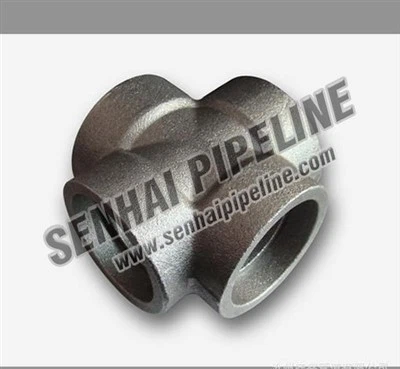
In addition to forged lateral tees, there are several other types of forged fittings that are commonly used in piping systems. These include Socket Welded Olets, Carbon Steel Forged Cross, and Forged Couplings.
Each of these fittings has its own unique design and function, and they can be used in combination with forged lateral tees to create complex piping systems that meet the specific requirements of different industries and applications.
Conclusion
In conclusion, flow direction is a critical factor that can have a significant impact on the performance of forged lateral tees. By understanding the effects of flow direction on pressure drop, flow distribution, erosion, and corrosion, you can make informed decisions when designing and installing piping systems that include these fittings.
As a supplier of forged lateral tees, we are committed to providing our customers with high-quality products and expert advice on the best fitting solutions for their applications. If you have any questions or need assistance with selecting the right forged lateral tee for your piping system, please don't hesitate to contact us. We look forward to working with you to ensure the success of your project.
References
- "Pipe Fittings Handbook" by Richard A. Wanke
- "Fluid Mechanics for Engineers" by Frank M. White
- "Piping and Pipeline Engineering: Design, Construction, Maintenance, and Integrity Management" by John P. Crowl and Joseph F. Louvar