Can SHS RHS be Used in Financial Reports?
Hey there! I'm a supplier of SHS (Square Hollow Sections) and RHS (Rectangular Hollow Sections). You might be wondering whether SHS RHS can be used in financial reports. Well, let's dive right into it.
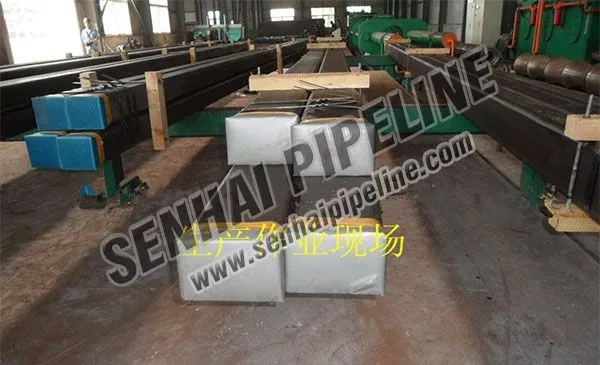
First off, what are SHS and RHS? SHS are square - shaped hollow metal sections, and RHS are rectangular ones. They're made from materials like carbon steel and are used in a wide range of industries, from construction to manufacturing. You can check out more about RHS SHS Carbon Steel on our website.
When it comes to financial reports, we need to understand the nature of these products in a business context. For a company that uses SHS RHS in its operations, they are considered as assets. If a construction company buys a large quantity of SHS RHS for building projects, these sections are part of their inventory. Inventory is a significant component in financial reports, especially on the balance sheet.
On the balance sheet, inventory is listed as a current asset. This means that the SHS RHS held by a company are expected to be used or sold within a year. The value of the SHS RHS inventory affects the company's liquidity and overall financial position. A high level of SHS RHS inventory might indicate that the company is stocking up for future projects, but it could also mean there are inefficiencies in the supply chain if the inventory isn't moving as quickly as expected.
For us, as a SHS RHS supplier, our sales of these products directly impact our financial reports. When we sell SHS RHS to customers, it shows up as revenue on our income statement. The cost of producing or purchasing these sections is recorded as the cost of goods sold (COGS). The difference between the revenue and COGS gives us the gross profit. This gross profit is a key metric that investors and stakeholders look at to assess our company's profitability.
Let's talk about the different types of SHS RHS. We offer Shs Rhs Smls Or Welded products. Seamless (smls) SHS RHS are often more expensive due to the manufacturing process, which can affect the financials of both the supplier and the buyer. For a buyer, the higher cost of seamless SHS RHS will increase their inventory value and potentially their cost of production. For us, selling seamless products might lead to higher revenue per unit, but it also comes with higher production costs.
Another aspect to consider is the market demand for SHS RHS. The construction industry is a major consumer of these products. If the construction market is booming, the demand for SHS RHS will be high. This can lead to increased sales for us as a supplier and higher inventory turnover for our customers. On the other hand, during an economic downturn, the demand might drop, and both suppliers and buyers need to adjust their financial strategies accordingly.
From a financial reporting perspective, companies need to account for the potential obsolescence of SHS RHS. If there are changes in technology or building standards, some types of SHS RHS might become obsolete. This means that the company holding the inventory might need to write down the value of their SHS RHS inventory on the financial reports. This can have a significant impact on the company's net income and overall financial health.
Now, let's look at the accounting methods for SHS RHS inventory. There are different ways to value inventory, such as First - In - First - Out (FIFO), Last - In - First - Out (LIFO), and weighted average cost. Each method can have a different impact on the financial reports. For example, in a period of rising prices, FIFO will result in a lower cost of goods sold and higher net income compared to LIFO.
As a supplier, we also need to manage our accounts receivable related to SHS RHS sales. When we sell our products on credit, we record the amount as accounts receivable. If our customers delay payment, it can affect our cash flow and financial stability. We need to monitor these accounts closely and take appropriate actions, such as sending reminders or offering incentives for early payment.
For companies using SHS RHS in their operations, they need to consider the impact of these products on their cost of capital. If they need to borrow money to purchase SHS RHS inventory, the interest expense associated with the loan will be reflected in their financial reports. This can affect their profitability and overall financial performance.
In addition, the quality of SHS RHS can also have financial implications. High - quality SHS RHS might cost more upfront, but they can lead to fewer defects and lower maintenance costs in the long run. This can be reflected in the company's financial reports as lower operating expenses over time.
We also offer Cs RHS SHS, which are carbon steel - based products. Carbon steel is a popular choice due to its strength and affordability. The cost - effectiveness of carbon steel SHS RHS makes them a preferred option for many companies, which can have a positive impact on their financials.
In conclusion, SHS RHS can definitely be used in financial reports. They play a crucial role in the balance sheets, income statements, and cash flow statements of both suppliers and buyers. Whether it's inventory valuation, revenue recognition, or cost management, SHS RHS have a significant impact on the financial health of businesses.
If you're in the market for SHS RHS, we'd love to have a chat with you. We can offer you high - quality products at competitive prices. Contact us to start the procurement negotiation process and see how we can meet your SHS RHS needs.

References:
- Accounting Principles for Inventory Valuation.
- Industry Reports on the Construction and Manufacturing Sectors.