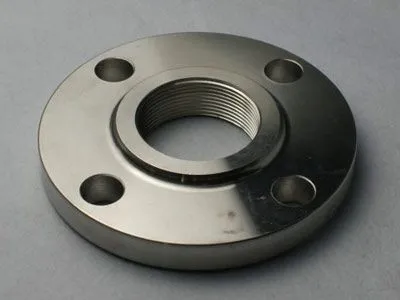
Ensuring the proper alignment of forged plugs during installation is a critical step that can significantly impact the performance and longevity of the overall piping system. As a seasoned supplier of forged plugs, I understand the challenges and nuances involved in this process. In this blog, I will share some key strategies and best practices to help you achieve accurate alignment during installation.


Understanding the Importance of Alignment
Before delving into the alignment process, it's essential to recognize why proper alignment matters. Misaligned forged plugs can lead to a variety of issues, including leaks, reduced flow capacity, and increased stress on the piping system. These problems can not only result in costly repairs but also pose safety risks to personnel and the environment. By ensuring accurate alignment, you can enhance the reliability and efficiency of your piping system, ultimately saving time and money in the long run.
Pre-Installation Preparation
The first step in ensuring proper alignment is thorough pre-installation preparation. This involves several key tasks:
- Inspect the Forged Plugs: Before installation, carefully inspect the forged plugs for any signs of damage or defects. Check the dimensions, threads, and sealing surfaces to ensure they meet the required specifications. Any damaged or defective plugs should be replaced to avoid alignment issues.
- Clean the Piping System: Clean the piping system thoroughly to remove any dirt, debris, or contaminants that could interfere with the alignment process. Use a suitable cleaning agent and ensure that all surfaces are dry before proceeding with installation.
- Mark the Installation Points: Use a measuring tool to mark the exact location where the forged plugs will be installed. This will help ensure that they are placed in the correct position and aligned properly with the piping system.
Alignment Techniques
Once the pre-installation preparation is complete, it's time to focus on the alignment process itself. Here are some effective alignment techniques that you can use:
- Use Alignment Tools: There are several alignment tools available that can help you achieve accurate alignment during installation. These tools include laser alignment systems, alignment fixtures, and measuring gauges. Choose the tool that is most suitable for your specific application and use it to ensure that the forged plugs are aligned correctly.
- Follow the Manufacturer's Instructions: Always follow the manufacturer's instructions when installing forged plugs. The instructions will provide detailed information on the proper installation procedures, including the recommended torque values, alignment tolerances, and any special considerations. By following these instructions, you can ensure that the plugs are installed correctly and aligned properly.
- Check for Squareness: Use a square or a level to check the squareness of the forged plugs during installation. This will help ensure that they are perpendicular to the piping system and aligned correctly. Any deviations from the required squareness should be corrected before proceeding with the installation.
- Make Adjustments as Needed: If you encounter any alignment issues during the installation process, make adjustments as needed. This may involve repositioning the plugs, tightening or loosening the bolts, or using shims to correct any misalignment. It's important to make these adjustments carefully to avoid damaging the plugs or the piping system.
Quality Control
After the forged plugs are installed, it's important to conduct a thorough quality control check to ensure that they are aligned properly and functioning correctly. Here are some key steps to take:
- Visual Inspection: Conduct a visual inspection of the installed forged plugs to check for any signs of misalignment or damage. Look for gaps, uneven surfaces, or any other indications that the plugs may not be aligned correctly.
- Pressure Testing: Perform a pressure test on the piping system to check for leaks and ensure that the forged plugs are sealing properly. Use a pressure gauge to monitor the pressure and look for any drops or fluctuations that could indicate a leak.
- Functional Testing: Conduct a functional test of the piping system to ensure that the forged plugs are operating correctly. This may involve opening and closing valves, adjusting flow rates, or performing other tests to verify the performance of the system.
Conclusion
Ensuring the proper alignment of forged plugs during installation is a critical step that requires careful planning, preparation, and execution. By following the strategies and best practices outlined in this blog, you can achieve accurate alignment and enhance the reliability and efficiency of your piping system. Remember to always use high-quality forged plugs from a reputable supplier and to follow the manufacturer's instructions for installation and maintenance. If you have any questions or need further assistance, please don't hesitate to contact us. We are a leading supplier of forged plugs and other piping components, and we are committed to providing our customers with the highest quality products and services.
In addition to forged plugs, we also offer a wide range of other piping components, including Bw Olets, Carbon Steel Forged Cross, and Socket Welded Equal Tee. If you are interested in learning more about our products or would like to discuss your specific requirements, please contact us today. We look forward to working with you to meet your piping needs.
References
- ASME B16.11 - Forged Fittings, Socket-Welding and Threaded
- API 6A - Specification for Wellhead and Christmas Tree Equipment
- MSS SP-79 - Socket-Welding Reducing Unions
- ASTM A105 - Standard Specification for Carbon Steel Forgings for Piping Applications