Can Cs Rhs Shs be used in cement production?
Hey there! I'm a supplier of Cs (Carbon Steel), Rhs (Rectangular Hollow Section), and Shs (Square Hollow Section) products. And you know what? I've been getting a lot of questions lately about whether these materials can be used in cement production. So, I thought I'd sit down and write this blog to share my thoughts and insights on the matter.
First off, let's quickly go over what Cs, Rhs, and Shs are. Carbon steel is a type of steel that contains carbon as the main alloying element. It's known for its strength, durability, and relatively low cost. Rhs and Shs are types of hollow structural sections. Rhs has a rectangular shape, while Shs is square. They're commonly used in construction, manufacturing, and various other industries due to their excellent structural properties.
Now, let's get to the big question: Can Cs Rhs Shs be used in cement production? The short answer is yes, they can, but it depends on a few factors.
One of the main ways Cs Rhs Shs can be used in cement production is in the construction of the cement plant itself. Cement plants are large and complex facilities that require a strong and reliable structural framework. Cs Rhs Shs sections are ideal for this purpose because they can provide the necessary support and stability. For example, they can be used to build the frames of buildings, conveyor systems, and storage silos within the plant. The strength and durability of carbon steel ensure that these structures can withstand the harsh conditions and heavy loads associated with cement production.
Another potential use is in the equipment used in the cement-making process. Some of the machinery in a cement plant, such as crushers, mills, and kilns, may require structural components made from Cs Rhs Shs. These components need to be able to handle high temperatures, abrasion, and mechanical stress. Carbon steel's high strength and heat resistance make it a suitable material for these applications. For instance, the frames of crushers can be made from Rhs or Shs sections to provide a rigid and stable structure for the crushing mechanism.
However, there are also some considerations when using Cs Rhs Shs in cement production. One of the main concerns is corrosion. Cement production involves the use of various chemicals and high humidity environments, which can accelerate the corrosion of carbon steel. To mitigate this issue, proper corrosion protection measures need to be taken. This can include applying protective coatings, such as paint or galvanization, to the Cs Rhs Shs sections. Regular inspection and maintenance are also essential to ensure that the corrosion protection remains effective over time.
Another factor to consider is the cost. While carbon steel is generally more affordable compared to some other materials, the cost of Cs Rhs Shs sections can still be a significant factor, especially for large-scale cement production projects. It's important to carefully evaluate the cost-benefit ratio and compare different materials and suppliers to ensure that you're getting the best value for your money.
Now, let's talk about the different types of Cs Rhs Shs products available. There are various options when it comes to the size, thickness, and quality of these sections. You can choose from RHS SHS Carbon Steel products that are specifically designed for different applications. For example, if you need sections for a high-stress application, you might opt for thicker and stronger materials. On the other hand, if cost is a major concern, you can look for more standard-sized and thinner sections.

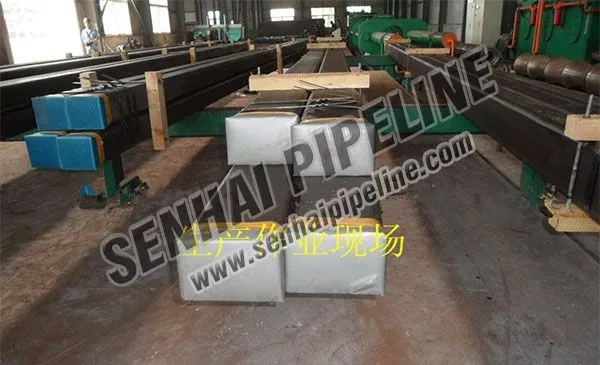
There are also Shs Rhs Smls Or Welded options available. Seamless sections (Smls) are generally stronger and more uniform in quality, but they can be more expensive. Welded sections, on the other hand, are more cost-effective and can be produced in larger sizes. The choice between seamless and welded sections depends on your specific requirements and budget.
In addition, if you need components with specific shapes or angles, you might consider Carbon Steel Elbow products. These elbows can be used to connect different sections of piping or structural members in the cement plant, allowing for a more flexible and efficient design.
So, if you're involved in cement production and are considering using Cs Rhs Shs products, here are some tips to keep in mind:
- Understand your requirements: Before making a purchase, clearly define your project requirements, including the size, strength, and corrosion resistance needed for the Cs Rhs Shs sections.
- Choose a reliable supplier: Look for a supplier with a good reputation and experience in providing Cs Rhs Shs products for the construction and industrial sectors. A reliable supplier can offer high-quality products and provide technical support and advice.
- Consider the long-term costs: Don't just focus on the initial purchase price. Take into account the cost of corrosion protection, maintenance, and replacement over the lifespan of the products.
- Get samples and test: If possible, request samples of the Cs Rhs Shs sections and conduct tests to ensure that they meet your quality and performance requirements.
In conclusion, Cs Rhs Shs can definitely be used in cement production, both in the construction of the plant and in the equipment used in the process. However, it's important to carefully consider the factors mentioned above and make informed decisions. If you have any questions or need more information about our Cs Rhs Shs products, feel free to reach out. We're here to help you find the right solutions for your cement production needs. Whether you're building a new cement plant or upgrading an existing one, we can provide you with high-quality Cs Rhs Shs products and excellent customer service. So, don't hesitate to contact us for a consultation and let's start discussing how we can work together to make your project a success.
References
- "Structural Steel Design for Industrial Buildings" - A textbook on the design and use of steel structures in industrial settings.
- "Cement Production Handbook" - A comprehensive guide to the cement production process and related technologies.