

Hey there! As a supplier of Cs RHS SHS, I've been getting a lot of questions lately about whether these materials can be used in laser technology. Well, let's dive right into it and explore this topic in detail.
First off, let's quickly go over what Cs RHS SHS are. Cs stands for carbon steel, RHS means rectangular hollow section, and SHS is square hollow section. Cs RHS SHS are widely used in various industries due to their strength, durability, and cost - effectiveness. They are commonly used in construction, manufacturing, and even in some automotive applications.
Now, when it comes to laser technology, there are a few key factors to consider. Laser technology involves the use of high - intensity light beams to cut, weld, or mark materials. The suitability of Cs RHS SHS in laser technology depends on several aspects, such as their material properties, surface finish, and how they interact with the laser beam.
Material Properties
Carbon steel, which is the base material of Cs RHS SHS, has some unique properties that can affect its performance in laser processing. One of the most important properties is its carbon content. Different carbon contents can lead to different hardness, ductility, and melting points.
For laser cutting, a lower carbon content generally makes the material easier to cut. Lower - carbon steels have a more uniform structure, which allows the laser beam to penetrate and vaporize the material more efficiently. On the other hand, higher - carbon steels can be a bit more challenging. They tend to be harder and may require more energy from the laser to cut through. But with the right laser settings and parameters, even high - carbon Cs RHS SHS can be cut effectively.
In terms of laser welding, the carbon content also plays a crucial role. When welding Cs RHS SHS, the goal is to create a strong and reliable joint. The carbon in the steel can affect the weldability. High - carbon steels are more prone to cracking during the welding process due to the formation of hard and brittle microstructures. However, by pre - heating the material and using appropriate welding techniques, these issues can be minimized.
Surface Finish
The surface finish of Cs RHS SHS is another important factor. A smooth and clean surface is ideal for laser processing. When the surface has rust, scale, or other contaminants, it can interfere with the laser beam. Rust, for example, can absorb the laser energy unevenly, leading to inconsistent cutting or welding results.
As a supplier, we take great care to ensure that our Cs RHS SHS have a good surface finish. We use various methods such as shot - blasting and pickling to remove any surface impurities before delivering the products. This helps our customers achieve better results when using these materials in laser technology.
Interaction with the Laser Beam
The way Cs RHS SHS interact with the laser beam is also a critical consideration. Laser cutting works by focusing a high - energy laser beam on the material, which heats and vaporizes it. The reflectivity of the material affects how much of the laser energy is absorbed. Carbon steel has a relatively low reflectivity compared to some other metals, which means it can absorb a significant amount of the laser energy.
However, the thickness of the Cs RHS SHS can also impact the interaction. Thicker sections require more energy from the laser to cut through. Modern laser cutting machines are capable of adjusting the power and focus based on the material thickness. But it's still important to choose the right thickness for the specific laser equipment being used.
Applications in Laser Technology
Now, let's talk about some of the actual applications of Cs RHS SHS in laser technology. One of the most common applications is in the manufacturing of precision parts. Laser cutting can be used to create complex shapes and patterns on Cs RHS SHS with high accuracy. These parts can be used in machinery, electronics, and even in the aerospace industry.
Laser welding is also widely used to join Cs RHS SHS together. This is especially useful in the construction of frames and structures. By using laser welding, we can create strong and seamless joints, which are essential for the overall integrity of the structure.
Another application is laser marking. Laser marking can be used to engrave logos, serial numbers, or other information on the surface of Cs RHS SHS. This is a permanent and high - quality marking method that doesn't damage the material.
Comparison with Other Materials
When comparing Cs RHS SHS with other materials commonly used in laser technology, such as stainless steel and aluminum, they have their own advantages and disadvantages.
Stainless steel is known for its corrosion resistance, but it can be more expensive than carbon steel. When it comes to laser cutting, stainless steel may require more power due to its higher reflectivity. Aluminum, on the other hand, is lightweight and has excellent thermal conductivity. However, it can be more difficult to weld using laser technology compared to carbon steel.
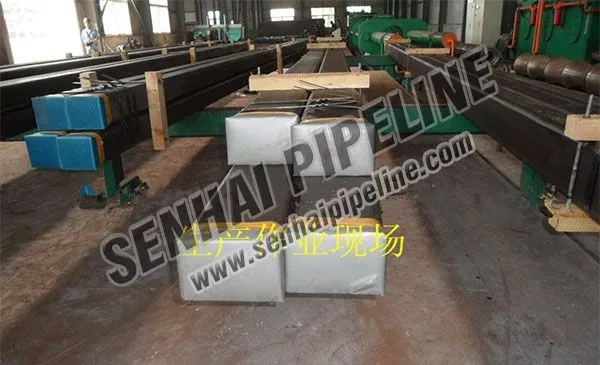

Cs RHS SHS offer a good balance between cost, strength, and workability. They are a popular choice for many applications where cost - effectiveness is a major consideration.
Our Role as a Supplier
As a supplier of Cs RHS SHS, we are committed to providing high - quality products that are suitable for laser technology. We work closely with our customers to understand their specific requirements and offer the right solutions.
We have a wide range of Cs RHS SHS in different sizes, thicknesses, and carbon contents. This allows our customers to choose the most appropriate material for their laser processing needs. We also provide technical support to help our customers optimize their laser processing parameters.
Conclusion
So, can Cs RHS SHS be used in laser technology? The answer is a definite yes. With the right material properties, surface finish, and proper laser processing techniques, Cs RHS SHS can be effectively used in laser cutting, welding, and marking applications.
If you're in the market for Cs RHS SHS for your laser technology needs, or if you want to learn more about how these materials can work for you, don't hesitate to get in touch. We're here to assist you with all your procurement and technical questions. Whether you're looking for Carbon Steel Elbow or RHS SHS Carbon Steel, we've got you covered. Let's start a conversation and see how we can help you achieve your goals.
References
- Smith, J. (2018). Laser Processing of Metals. Metalworking Journal.
- Johnson, A. (2019). Carbon Steel: Properties and Applications. Industrial Materials Review.
- Brown, C. (2020). Laser Welding Techniques for Structural Steel. Welding Technology Magazine.


