In the realm of industrial pipe systems, forged plugs play a crucial role in ensuring the integrity and functionality of pipelines. As a trusted supplier of Forged Plugs, I've witnessed firsthand the importance of precision in these components. Precision in forged plugs is not just a technical specification; it's a fundamental requirement that impacts the performance, safety, and longevity of piping systems across various industries.
Understanding Forged Plugs
Forged plugs are essential pipe fittings used to seal the end of a pipe, preventing the flow of fluids or gases. They are typically made from high - quality metals such as carbon steel, stainless steel, or alloy steel through a forging process. Forging involves shaping metal by applying compressive forces, which results in a denser and more uniform grain structure compared to other manufacturing methods like casting. This gives forged plugs superior strength, durability, and resistance to corrosion and high - pressure environments.
The applications of forged plugs are diverse. They are commonly used in oil and gas refineries, chemical plants, power generation facilities, and water treatment plants. In oil and gas pipelines, for example, forged plugs are used to close off unused branches or to isolate sections of the pipeline for maintenance or repair. In chemical plants, they help contain hazardous chemicals and prevent leaks that could pose a significant risk to the environment and human health.
Precision in Forged Plugs
The precision level of forged plugs refers to the degree of accuracy in their dimensions, shape, and surface finish. High - precision forged plugs are manufactured to meet strict tolerances, ensuring a perfect fit and reliable performance.
Dimensional Precision
One of the most critical aspects of precision in forged plugs is dimensional accuracy. The diameter, length, and thread pitch of the plug must be within a narrow range of specified values. For instance, if a forged plug is designed to fit a particular pipe size, even a slight deviation in its diameter can lead to a poor seal. A plug that is too large may not fit into the pipe, while a plug that is too small may allow leaks.
In addition to the overall dimensions, the thread accuracy is also of utmost importance. The threads on a forged plug must be precisely cut to ensure a tight and secure connection with the mating pipe or fitting. Any irregularities in the thread pitch or profile can result in a loose connection, which can lead to leaks under pressure.


Shape Precision
The shape of a forged plug is also carefully controlled to ensure proper functionality. Most forged plugs have a hexagonal or square head, which allows for easy installation and removal using a wrench or other tools. The corners and edges of the head must be sharp and well - defined, and the overall shape must be symmetrical. Any distortion in the shape of the head can make it difficult to grip the plug with a tool, increasing the risk of installation errors.
Surface Finish Precision
The surface finish of a forged plug is another factor that affects its performance. A smooth surface finish reduces friction during installation and removal, making it easier to tighten or loosen the plug. It also helps prevent corrosion by reducing the surface area available for chemical reactions. High - precision forged plugs are typically polished or coated to achieve a smooth and uniform surface finish.
Measuring the Precision Level
The precision level of forged plugs is measured using a variety of techniques and tools. One of the most common methods is the use of precision measuring instruments such as calipers, micrometers, and thread gauges. These tools allow manufacturers to measure the dimensions of the plug with high accuracy, ensuring that they meet the specified tolerances.
In addition to physical measurements, non - destructive testing methods are also used to assess the internal quality of the forged plug. Ultrasonic testing, for example, can detect internal defects such as cracks or voids that may not be visible on the surface. X - ray testing can also be used to inspect the internal structure of the plug and ensure its integrity.
Factors Affecting Precision
Several factors can affect the precision level of forged plugs during the manufacturing process.
Material Quality
The quality of the raw material used to manufacture the forged plug is a key factor. High - quality metals with consistent chemical composition and mechanical properties are more likely to produce precise and reliable forged plugs. Impurities or variations in the material can lead to dimensional inaccuracies and other defects.
Forging Process
The forging process itself also plays a crucial role in determining the precision of the plug. The forging temperature, pressure, and speed must be carefully controlled to ensure that the metal is shaped correctly. Improper forging conditions can result in uneven grain growth, which can affect the strength and dimensional stability of the plug.
Machining Operations
After forging, the plug may undergo additional machining operations such as turning, milling, and threading. The accuracy of these machining operations is essential for achieving the desired precision. The cutting tools used in machining must be sharp and properly maintained, and the machining parameters such as feed rate and spindle speed must be optimized.
Importance of High - Precision Forged Plugs
High - precision forged plugs offer several benefits in industrial applications.
Safety
In industries where the containment of fluids or gases is critical, such as oil and gas and chemical processing, high - precision forged plugs are essential for ensuring safety. A reliable seal provided by a high - precision plug can prevent leaks that could lead to explosions, fires, or environmental contamination.
Performance
Precision - made forged plugs provide a better seal and a more secure connection, which improves the overall performance of the piping system. They can withstand higher pressures and temperatures, reducing the risk of failure under extreme conditions.
Cost - Effectiveness
Although high - precision forged plugs may be more expensive than lower - quality alternatives, they offer long - term cost savings. Their superior durability and reliability reduce the need for frequent replacements and repairs, minimizing downtime and maintenance costs.
Our Offerings as a Forged Plugs Supplier
As a leading supplier of Forged Plugs, we are committed to providing our customers with high - precision products. We use only the highest quality materials and state - of - the - art manufacturing processes to ensure that our forged plugs meet the strictest industry standards.
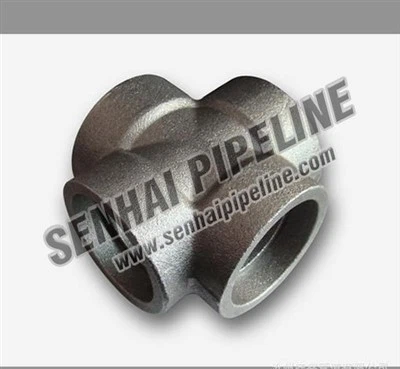
Our product range includes a variety of forged plugs in different sizes, materials, and configurations to meet the diverse needs of our customers. In addition to forged plugs, we also offer other forged fittings such as Socket Welded Equal Tee and Hexagonal Caps.
We have a team of experienced engineers and quality control experts who oversee every stage of the manufacturing process, from raw material inspection to final product testing. This ensures that each forged plug that leaves our facility is of the highest quality and precision.
Contact Us for Your Forged Plugs Needs
If you are in the market for high - precision forged plugs or other forged fittings, we invite you to contact us. Our knowledgeable sales team is ready to assist you in selecting the right products for your specific application. We can also provide you with detailed product information, technical specifications, and pricing.
Whether you are a small - scale industrial operation or a large - scale multinational corporation, we have the expertise and resources to meet your needs. Don't compromise on the quality and precision of your pipe fittings. Contact us today to discuss your requirements and start a partnership that will ensure the success of your projects.
References
- ASME B16.11: Forged Fittings, Socket - Welding and Threaded
- ASTM A105: Standard Specification for Carbon Steel Forgings for Piping Applications
- API 6A: Specification for Wellhead and Christmas Tree Equipment