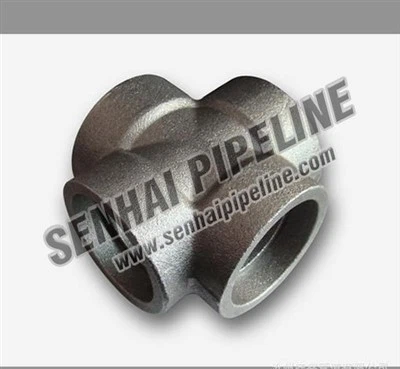
As a seasoned supplier of Forged Lateral Tees, I'm excited to take you through the intricate process of how these essential pipe fittings are manufactured. Forged Lateral Tees play a crucial role in various industries, including oil and gas, chemical processing, and power generation. They are designed to provide a reliable connection where a branch line needs to be added to a main pipeline at a 90-degree angle.
Raw Material Selection
The manufacturing process of Forged Lateral Tees begins with the careful selection of raw materials. The choice of material depends on the specific application and the operating conditions of the pipeline. Common materials used for Forged Lateral Tees include carbon steel, stainless steel, and alloy steel.
Carbon steel is a popular choice due to its high strength, durability, and cost-effectiveness. It is suitable for a wide range of applications, including low-pressure and high-pressure pipelines. Stainless steel, on the other hand, offers excellent corrosion resistance, making it ideal for use in harsh environments where the pipeline is exposed to chemicals, moisture, or high temperatures. Alloy steel is used when additional strength and toughness are required, such as in high-pressure and high-temperature applications.
Once the raw material is selected, it is inspected to ensure that it meets the required specifications. The material is checked for its chemical composition, mechanical properties, and surface quality. Any defects or impurities in the raw material can affect the quality and performance of the final product, so it is essential to use only high-quality materials.
Forging Process
The forging process is the heart of the manufacturing process for Forged Lateral Tees. Forging is a manufacturing process that involves shaping metal by applying compressive forces. It is a highly efficient and cost-effective method of producing high-quality metal components.
The forging process begins with heating the raw material to a specific temperature. The temperature depends on the type of material and the forging method used. The heated material is then placed in a forging die, which is a specially designed tool that shapes the metal into the desired form. The forging die is usually made of high-strength steel and is designed to withstand the high pressures and forces involved in the forging process.
There are several forging methods used in the manufacturing of Forged Lateral Tees, including open-die forging, closed-die forging, and upset forging. Open-die forging involves shaping the metal between two flat dies without completely enclosing the material. This method is suitable for producing large and simple-shaped components. Closed-die forging, on the other hand, involves shaping the metal between two dies that completely enclose the material. This method is suitable for producing complex-shaped components with high precision and accuracy. Upset forging involves increasing the cross-sectional area of the metal by compressing it axially. This method is commonly used to produce flanges and other components with a large diameter.
During the forging process, the metal is subjected to high pressures and forces, which cause it to deform and take on the shape of the forging die. The forging process also improves the mechanical properties of the metal, such as its strength, toughness, and ductility. This is because the forging process aligns the grain structure of the metal, which makes it more resistant to cracking and other forms of failure.

Machining and Finishing
After the forging process is complete, the Forged Lateral Tee is machined to achieve the required dimensions and surface finish. Machining is a manufacturing process that involves removing material from the workpiece using cutting tools. It is a highly precise and accurate method of producing components with complex shapes and tight tolerances.
The machining process for Forged Lateral Tees typically involves several operations, including turning, milling, drilling, and threading. Turning involves rotating the workpiece on a lathe and using a cutting tool to remove material from the outer surface of the workpiece. Milling involves using a rotating cutting tool to remove material from the surface of the workpiece. Drilling involves using a drill bit to create holes in the workpiece. Threading involves cutting threads on the surface of the workpiece to allow for the connection of pipes and other components.
Once the machining process is complete, the Forged Lateral Tee is finished to improve its appearance and corrosion resistance. Finishing operations may include grinding, polishing, and coating. Grinding involves using an abrasive wheel to remove any rough or uneven surfaces from the workpiece. Polishing involves using a polishing compound to create a smooth and shiny surface on the workpiece. Coating involves applying a protective layer of paint, powder coating, or other material to the surface of the workpiece to prevent corrosion and other forms of damage.
Quality Control
Quality control is an essential part of the manufacturing process for Forged Lateral Tees. It ensures that the final product meets the required specifications and standards. Quality control measures are implemented at every stage of the manufacturing process, from raw material selection to final inspection.
During the forging process, the Forged Lateral Tee is inspected to ensure that it has the correct shape and dimensions. Non-destructive testing methods, such as ultrasonic testing and magnetic particle testing, are used to detect any internal defects or cracks in the metal. During the machining process, the Forged Lateral Tee is inspected to ensure that it has the correct surface finish and tolerances. Dimensional inspection is carried out using precision measuring tools, such as calipers, micrometers, and coordinate measuring machines.
After the finishing process is complete, the Forged Lateral Tee is subjected to a final inspection. The final inspection includes a visual inspection to check for any surface defects or imperfections, as well as a functional test to ensure that the Forged Lateral Tee performs as expected. The Forged Lateral Tee is also tested for its pressure rating and leakage resistance to ensure that it meets the required standards.
Applications and Related Products
Forged Lateral Tees are widely used in various industries, including oil and gas, chemical processing, power generation, and water treatment. They are used to connect pipelines and other components in a variety of applications, such as branch lines, headers, and manifolds.
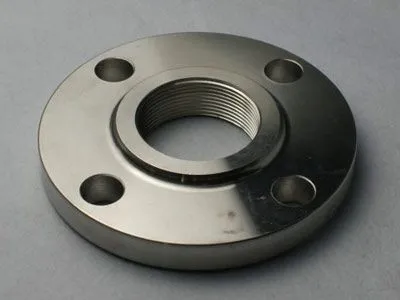
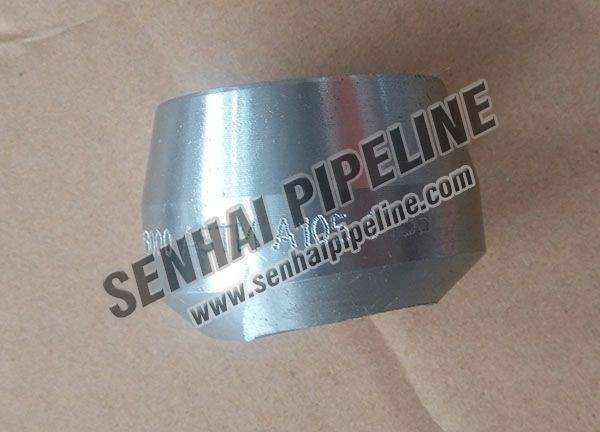
In addition to Forged Lateral Tees, we also offer a wide range of other forged pipe fittings, including Carbon Steel Threaded Elbow, Forged Couplings, and Socket Welded Olets. These products are designed to provide reliable and efficient connections in a variety of applications.
Conclusion
The manufacturing process for Forged Lateral Tees is a complex and highly specialized process that requires skilled workers, advanced equipment, and strict quality control measures. From raw material selection to final inspection, every step of the process is carefully monitored to ensure that the final product meets the required specifications and standards.
As a leading supplier of Forged Lateral Tees, we are committed to providing our customers with high-quality products and excellent customer service. If you are in need of Forged Lateral Tees or other forged pipe fittings, please contact us to discuss your requirements. We look forward to working with you to meet your needs and exceed your expectations.
References
- ASME B16.11 - Forged Fittings, Socket-Welding and Threaded
- ASTM A105 - Standard Specification for Carbon Steel Forgings for Piping Applications
- ASTM A350 - Standard Specification for Carbon and Low-Alloy Steel Forgings, Requiring Notch Toughness Testing for Piping Components