Yo, what's up music lovers and industry peeps! I'm here to talk about something super interesting - the role of 'Union' in music composition. And yeah, I'm also a supplier for various types of unions in the industrial world. Crazy how different fields can have the same word with totally different meanings, right?
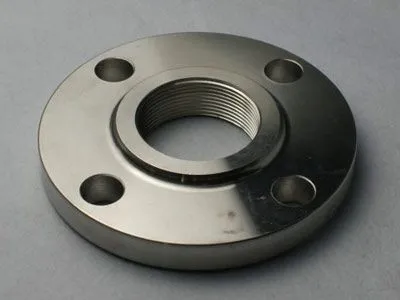
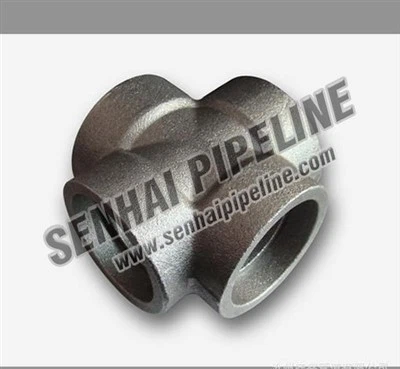
Let's start off by understanding what a union is in the non - music sense. I deal with all sorts of industrial unions like Hexagonal Caps, Forged Plugs, and Bw Olets. These are essential components in plumbing and piping systems. They're like the connectors that hold everything together, making sure that liquids or gases can flow smoothly through the pipes. Without them, the whole system would fall apart.
Now, let's switch gears and dive into the music world. In music composition, a union can mean a few different things, but at its core, it's all about bringing different elements together. Just like my industrial unions connect pipes, musical unions connect different musical ideas, sounds, and structures.
One of the most obvious ways a union works in music is through harmony. Harmony is like the glue that binds different notes played simultaneously. When you have a group of musicians playing different parts, the harmony is what makes those parts fit together. For example, in a jazz band, the saxophone might be playing a melody, the piano is playing chords, and the bass is providing a rhythmic foundation. The harmony created by these different instruments is a form of union. It's what allows the music to sound rich and full, rather than a bunch of random notes.
Think about a classic rock song. The guitarist is shredding some sick riffs, the drummer is laying down a solid beat, the bassist is holding it all together, and the singer is belting out the lyrics. Each of these elements is unique, but when they come together in a union, they create a powerful sound that can get people pumped up and dancing. It's like a well - oiled machine where every part has its own function, but they all work in harmony to produce something greater than the sum of its parts.
Another aspect of union in music composition is the combination of different musical styles. In today's music world, we're seeing a lot of cross - genre blending. Artists are taking elements from hip - hop, rock, pop, and electronic music and mashing them up to create something new and exciting. For instance, some artists are combining the laid - back flow of hip - hop with the energy of electronic beats. This union of different styles not only creates a fresh sound but also expands the musical horizons of listeners. It exposes them to new rhythms, melodies, and textures that they might not have experienced before.
In a more technical sense, a union can also refer to the joining of different musical sections within a piece. A song usually has different parts like the verse, chorus, bridge, etc. The way these sections are connected is crucial for the overall flow of the song. A good composer knows how to create a union between these sections so that the transition is smooth and the listener doesn't feel like they're listening to a disjointed piece. For example, a composer might use a similar chord progression in the verse and the chorus to create a sense of unity. Or they might use a musical motif that runs throughout the song, tying all the sections together.
Let's take a look at film music. Film composers have to create a union between the music and the visuals on the screen. The music needs to enhance the emotions and the story being told in the film. If it's a scary scene, the music will be tense and full of dissonance to create a sense of unease. On the other hand, if it's a romantic scene, the music will be soft and melodic. The union between the music and the visuals is what makes the film - watching experience so powerful. It's like a multi - sensory experience where the music and the images work together to tell a story.
Now, you might be wondering how all this ties back to my work as a union supplier. Well, in both the industrial and musical worlds, the concept of union is about connection and collaboration. In my business, I supply unions that are used to build complex piping systems. These systems require careful planning and the right components to work effectively. Similarly, in music composition, a composer needs to carefully plan how different musical elements will come together to create a great piece of music.


Whether you're building a pipeline or composing a symphony, the key is to understand the role of each part and how they can work together in a union. In my industrial business, I make sure to provide high - quality unions that are reliable and durable. In the same way, a composer needs to use high - quality musical ideas and techniques to create a strong and memorable piece of music.
If you're in the music industry, you might not think that the concept of a union in my line of work has anything to do with you. But in reality, the principles are the same. We're all about bringing things together to create something better. And if you're in the market for industrial unions like Hexagonal Caps, Forged Plugs, or Bw Olets, I'm here to help. I've got the experience and the products to meet your needs.
If you're interested in learning more about how my unions can fit into your projects or if you have any questions about the products, feel free to reach out. Whether you're building a new pipeline or just curious about the role of unions in music and industry, I'm more than happy to have a chat and see how we can work together. Let's create our own union and make something great happen!
References:
- "The Psychology of Music" by Daniel J. Levitin
- "The Oxford Handbook of Music Composition" edited by Jonathan W. Bernard