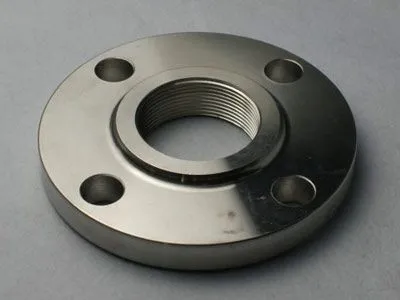
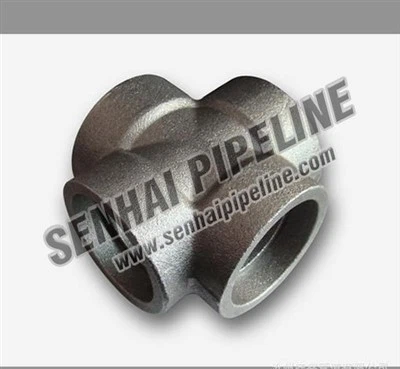
Hey there! As a supplier of Forged Couplings, I often get asked about the load - carrying capacity of these nifty little components. So, I thought I'd sit down and write this blog to share some insights on what exactly the load - carrying capacity of forged couplings is.
First off, let's understand what forged couplings are. Forged couplings are essential parts in piping systems. They're used to connect two pipes together, allowing the smooth flow of fluids or gases. You can check out more about them here: Forged Couplings.
The load - carrying capacity of forged couplings is a crucial factor. It refers to the maximum amount of stress, weight, or force that a coupling can handle without failing or deforming. There are several factors that influence this capacity.


One of the main factors is the material used in the forging process. We usually use high - quality metals like carbon steel, stainless steel, and alloy steel. Carbon steel is a popular choice because it's strong and relatively inexpensive. Stainless steel, on the other hand, offers excellent corrosion resistance, which is great for applications in harsh environments. Alloy steel combines the best of both worlds, with enhanced strength and corrosion - resistant properties.
The manufacturing process also plays a huge role. Forging is a process where metal is heated and then shaped using compressive forces. This process aligns the grain structure of the metal, making it stronger and more durable compared to other manufacturing methods like casting. The precise forging techniques we use at our facility ensure that each coupling has a consistent and reliable load - carrying capacity.
Another important aspect is the design of the coupling. The size, shape, and thread type all affect how much load it can carry. For example, couplings with larger diameters generally have a higher load - carrying capacity because they have more surface area to distribute the stress. The thread type also matters. A well - designed thread can provide a better grip between the coupling and the pipes, increasing the overall strength of the connection.
Let's talk about some real - world applications and how the load - carrying capacity comes into play. In the oil and gas industry, forged couplings are used in pipelines that transport crude oil, natural gas, and other petroleum products. These pipelines are under high pressure, so the couplings need to have a high load - carrying capacity to prevent leaks and failures. Similarly, in the chemical industry, where corrosive chemicals are transported, the load - carrying capacity combined with corrosion resistance is vital.
Now, let's compare forged couplings with some other types of pipe fittings. Take Hexagonal Caps for example. Hexagonal caps are mainly used to close the end of a pipe. While they also need to withstand some pressure, their load - carrying capacity requirements are different from those of couplings. Couplings have to handle the forces associated with connecting two pipes and maintaining the integrity of the pipeline.
Swage Nipples are another type of pipe fitting. They're used to connect pipes of different sizes. The load - carrying capacity of swage nipples is also important, but it's often more about handling the transition in pipe size and the associated flow changes. Forged couplings, however, focus more on providing a strong and reliable connection between two pipes of the same or similar sizes.
To determine the load - carrying capacity of a forged coupling, we rely on a combination of industry standards and in - house testing. There are standards set by organizations like the American Society of Mechanical Engineers (ASME) and the International Organization for Standardization (ISO). These standards provide guidelines on the design, material, and testing of forged couplings.
We also conduct our own tests in our state - of - the - art testing facilities. We subject the couplings to various stress tests, including pressure tests, tensile tests, and torque tests. These tests help us ensure that each coupling meets or exceeds the required load - carrying capacity.
So, why should you choose our forged couplings? Well, we've been in the business for a long time, and we have a reputation for providing high - quality products. Our couplings are made from the best materials, using the latest forging techniques. We offer a wide range of sizes and specifications to meet your specific needs. And most importantly, we stand behind our products. If you have any issues with the load - carrying capacity or any other aspect of our couplings, we'll work with you to find a solution.
If you're in the market for forged couplings and want to discuss your requirements, we'd love to hear from you. Whether you're working on a small - scale project or a large industrial pipeline, we can provide the right couplings for you. Just reach out to us, and we'll start the conversation. We're here to help you make the best choice for your piping system.
In conclusion, the load - carrying capacity of forged couplings is a complex but important concept. It's influenced by factors like material, manufacturing process, and design. By understanding these factors and choosing high - quality couplings, you can ensure the safety and efficiency of your piping systems. So, don't hesitate to get in touch if you have any questions or need to make a purchase.
References
- American Society of Mechanical Engineers (ASME) standards
- International Organization for Standardization (ISO) standards
- In - house testing reports from our facility