Yo! As a supplier of blind flanges, I often get asked about the lifespan of these little (well, sometimes not so little) guys. So, I thought I'd sit down and write this blog to share what I know.
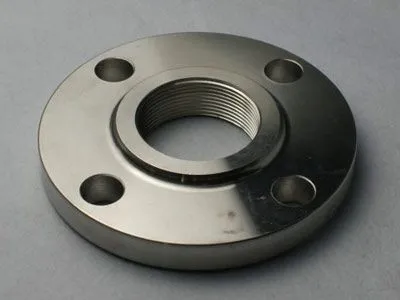
First off, let's talk about what a blind flange is. If you're new to the world of flanges, a blind flange is a solid disk used to close the end of a pipe, valve, or vessel. It's like a big, flat stopper that keeps stuff from going in or out. You might find them in all sorts of industries, from oil and gas to water treatment.
Now, the big question: what's the lifespan of a blind flange? Well, it's not a one - size - fits - all answer. There are a bunch of factors that can affect how long a blind flange will last.
Material Matters
The material the blind flange is made from plays a huge role. For example, carbon steel is a common choice. Carbon steel blind flanges are pretty tough and can handle a decent amount of wear and tear. They're often used in general industrial applications where the environment isn't too harsh. But if they're exposed to corrosive substances, like saltwater or certain chemicals, their lifespan can be significantly reduced.
On the other hand, stainless steel blind flanges are more corrosion - resistant. They're great for applications in the food and beverage industry, or in coastal areas where the air is salty. Stainless steel can last a long time, even in tough conditions. We also offer other materials like alloy steel, which has enhanced strength and durability, making it suitable for high - pressure and high - temperature applications.
Operating Conditions
The conditions under which the blind flange operates are crucial. If it's in a high - pressure environment, it's going to face more stress. Over time, this stress can cause cracks or deformation. For instance, in an oil pipeline where the pressure is really high, the blind flange has to withstand a lot of force.
Temperature is another factor. Extreme temperatures, whether it's really hot or really cold, can affect the integrity of the flange. In a refinery, where temperatures can soar, the flange needs to be able to handle the heat without losing its shape or strength. Cold temperatures can make the material more brittle, increasing the risk of cracking.
Installation and Maintenance
How the blind flange is installed also matters. If it's not installed correctly, it can lead to leaks or premature failure. For example, if the bolts aren't tightened properly, the flange might not seal well, and this can cause problems down the line.
Regular maintenance is key to extending the lifespan of a blind flange. Inspecting it for signs of corrosion, cracks, or wear can help catch issues early. If you notice any problems, you can take action right away, like replacing a damaged gasket or tightening the bolts.
Comparing with Other Flanges
It's interesting to compare the lifespan of blind flanges with other types of flanges. For example, a Long Welding Neck Flange is designed for high - pressure applications. It has a long tapered neck that provides additional strength. In general, it can have a long lifespan, especially when used in the right conditions.
A Carbon Steel Plate Flange is more economical and commonly used in low - pressure applications. Its lifespan might be shorter compared to some other flanges, especially if it's exposed to harsh conditions.
A Socket Welding Flange is welded into place, which can provide a strong connection. However, if the welding isn't done properly, it can lead to problems. Its lifespan depends a lot on the quality of the installation and the operating conditions.


Estimating the Lifespan
In general, under normal operating conditions and with proper installation and maintenance, a carbon steel blind flange can last anywhere from 10 to 20 years. Stainless steel blind flanges can last even longer, maybe 20 to 30 years or more. But these are just rough estimates.
If the flange is in a really tough environment, like a chemical plant where it's constantly exposed to corrosive chemicals, its lifespan could be much shorter, maybe just a few years. On the other hand, if it's in a relatively mild environment, like a water supply system, it could last well beyond the typical estimates.
Why Choose Our Blind Flanges
As a supplier, we take pride in offering high - quality blind flanges. We source our materials from reliable suppliers and use strict quality control measures to ensure that each flange meets the highest standards. Our team of experts can also provide advice on installation and maintenance to help you get the most out of your blind flanges.
If you're in the market for blind flanges or any other types of flanges, we'd love to hear from you. Whether you're working on a small project or a large - scale industrial application, we can provide the right flanges for your needs. Contact us to start a conversation about your requirements, and let's find the perfect solution together.
References
- "Flange Design Handbook" by Joseph A. Shigley
- "Piping Handbook" by Cameron S. Craig