As a trusted supplier of Forged Lateral Tees, I am often asked about the various connection types available for these essential pipe fittings. In this blog post, I will delve into the different connection methods for Forged Lateral Tees, their characteristics, and applications.
Threaded Connections
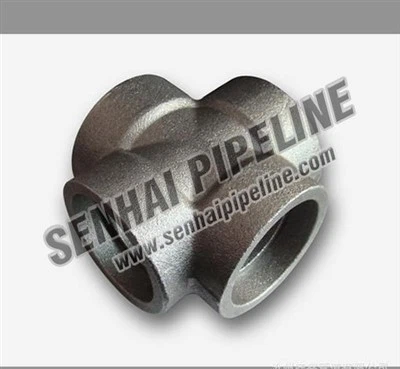
Threaded connections are one of the most common ways to join Forged Lateral Tees. This type of connection uses threads on the fitting and the pipe to create a secure joint. Threaded Forged Lateral Tees are easy to install and remove, making them ideal for applications where disassembly may be required for maintenance or modification.
The threads can be either NPT (National Pipe Tapered) or BSP (British Standard Pipe). NPT threads are widely used in North America, while BSP threads are more common in Europe and other parts of the world. Threaded connections are suitable for low to medium-pressure applications, typically up to 6000 psi.
One of the advantages of threaded connections is their versatility. They can be used with a variety of pipe materials, including carbon steel, stainless steel, and brass. Additionally, threaded Forged Lateral Tees can be easily combined with other threaded fittings, such as Carbon Steel Nipples, to create complex piping systems.
However, threaded connections also have some limitations. They are not suitable for high-pressure or high-temperature applications, as the threads can loosen over time due to vibration or thermal expansion. Additionally, threaded connections require proper sealing to prevent leaks, which can be challenging in some environments.
Socket Weld Connections
Socket weld connections involve inserting the pipe into the socket of the Forged Lateral Tee and then welding the joint. This type of connection provides a strong and leak-proof joint, making it suitable for high-pressure and high-temperature applications.
Socket weld connections are typically used in piping systems where the flow of fluid or gas needs to be smooth and uninterrupted. The socket design of the fitting allows for a flush interior surface, which minimizes turbulence and pressure drop.
One of the advantages of socket weld connections is their durability. The welded joint is resistant to corrosion and mechanical stress, ensuring a long service life. Additionally, socket weld connections are relatively easy to install, especially in tight spaces where other connection methods may be difficult to use.
However, socket weld connections also have some drawbacks. They require specialized welding equipment and skills, which can increase the installation cost. Additionally, the welding process can introduce heat-affected zones, which may affect the mechanical properties of the pipe and fitting.
Butt Weld Connections
Butt weld connections are similar to socket weld connections, but instead of inserting the pipe into a socket, the ends of the pipe and the Forged Lateral Tee are welded together. This type of connection provides the strongest and most reliable joint, making it suitable for critical applications where safety and reliability are paramount.
Butt weld connections are commonly used in high-pressure and high-temperature piping systems, such as those found in the oil and gas, chemical, and power generation industries. The welded joint is continuous and seamless, which eliminates the risk of leaks and provides excellent resistance to corrosion and mechanical stress.
One of the advantages of butt weld connections is their ability to handle large pipe sizes and high pressures. The welded joint can withstand extreme conditions without compromising the integrity of the piping system. Additionally, butt weld connections are aesthetically pleasing, as the joint is flush with the pipe surface.
However, butt weld connections also have some disadvantages. They require precise alignment and welding techniques, which can be challenging and time-consuming. Additionally, the welding process can generate significant heat, which may require post-weld heat treatment to relieve stress and prevent cracking.
Flanged Connections
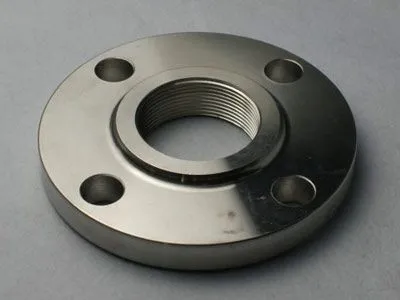
Flanged connections involve using flanges to connect the Forged Lateral Tee to the pipe. The flanges are bolted together, creating a sealed joint. This type of connection provides a convenient and flexible way to join piping components, especially in applications where disassembly and reassembly are required.
Flanged connections are available in a variety of types, including weld neck flanges, slip-on flanges, and blind flanges. Weld neck flanges are the most common type of flange used for Forged Lateral Tees, as they provide a strong and reliable connection.
One of the advantages of flanged connections is their ease of installation and maintenance. The flanges can be easily bolted and unbolted, allowing for quick and efficient repairs or modifications. Additionally, flanged connections can be used with a variety of gaskets to provide a leak-proof seal.
However, flanged connections also have some limitations. They are relatively expensive compared to other connection methods, as they require additional flanges and bolts. Additionally, flanged connections can be bulky and heavy, which may not be suitable for applications where space is limited.
Union Connections
Union connections are a type of detachable connection that allows for easy disassembly and reassembly of the piping system. A union consists of three parts: a nut, a female end, and a male end. The nut is used to tighten the connection between the female and male ends, creating a sealed joint.
Union connections are commonly used in applications where frequent disassembly is required, such as in plumbing systems or for maintenance purposes. They provide a convenient way to isolate a section of the piping system without having to cut the pipe.
One of the advantages of union connections is their versatility. They can be used with a variety of pipe materials and connection types, including threaded, socket weld, and butt weld connections. Additionally, union connections are relatively easy to install and remove, even in tight spaces.
However, union connections also have some limitations. They are not suitable for high-pressure or high-temperature applications, as the connection can loosen over time due to vibration or thermal expansion. Additionally, union connections require proper sealing to prevent leaks, which can be challenging in some environments.
Conclusion
In conclusion, there are several connection types available for Forged Lateral Tees, each with its own advantages and disadvantages. The choice of connection type depends on a variety of factors, including the application, the pressure and temperature of the fluid or gas, the pipe material, and the installation requirements.


As a supplier of Forged Lateral Tees, I can provide you with expert advice and guidance on the best connection type for your specific needs. Whether you require threaded, socket weld, butt weld, flanged, or union connections, I have the products and expertise to meet your requirements.
If you are interested in purchasing Forged Lateral Tees or have any questions about the connection types, please feel free to contact me for a consultation. I look forward to working with you to find the best solution for your piping system.
References
- ASME B16.11 - Forged Fittings, Socket-Welding and Threaded
- ASTM A105 - Standard Specification for Carbon Steel Forgings for Piping Applications
- API 602 - Gate Valves, Globe Valves, Check Valves, and Ball Valves for Pipelines and Piping Systems