Hey there! As a supplier to the European Union, I've been keeping a close eye on what the future might hold for this big economic bloc. The EU is a complex entity, made up of 27 member countries, and it's had its fair share of ups and downs over the years. So, let's dive into what the future outlook for the European Union could be.
Current Situation
First off, let's take a quick look at where the EU stands right now. It's one of the largest economies in the world, with a GDP that's up there with the big boys like the United States and China. It's got a huge internal market, which means businesses within the EU can trade with each other pretty freely. That's a big plus for me as a supplier, 'cause it makes it easier to reach a wide range of customers.
But it's not all sunshine and rainbows. The EU has faced some major challenges in recent years. Brexit was a huge deal. When the UK left the EU, it created a lot of uncertainty, especially when it came to trade. There were new rules and regulations to figure out, and it took a while for things to settle down. And then there's the whole issue of the eurozone. Some countries in the EU use the euro as their currency, and that's led to some economic imbalances. There have been times when countries like Greece have faced serious financial crises, which have put a strain on the entire EU.
Economic Outlook
So, what's the economic future looking like for the EU? Well, there are some positive signs. The EU has been investing a lot in green technologies and digitalization. They're trying to make the economy more sustainable and competitive in the global market. For example, they've set some ambitious targets for reducing carbon emissions, and they're putting money into research and development in areas like renewable energy.
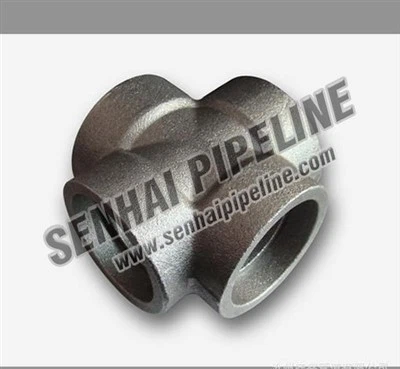
As a supplier, this is great news for me. It means there's going to be more demand for products that are in line with these green and digital trends. For instance, if I'm supplying Forged Lateral Tee for a project that's focused on renewable energy, there's a good chance my products will be in high demand.
But there are also some challenges. The global economy is still recovering from the COVID - 19 pandemic, and that's having an impact on the EU. Supply chain disruptions have been a big problem. There have been shortages of raw materials, and shipping costs have gone through the roof. This has made it more difficult for me as a supplier to keep up with demand and keep prices stable.
Another issue is the competition from other regions. Countries in Asia, like China, are becoming more and more competitive in the global market. They're producing high - quality products at lower prices, which is putting pressure on EU businesses. The EU is going to have to find ways to stay competitive, whether it's through innovation or by improving efficiency.
Political Outlook
Politically, the EU is a bit of a mixed bag. On one hand, there's a growing sense of unity among the member countries. They're realizing that they need to work together to face common challenges like climate change and security. There have been some initiatives to strengthen the EU's political power on the global stage.
On the other hand, there are still some tensions between member countries. There are different views on things like immigration, economic policy, and the role of the EU in international affairs. Some countries want more sovereignty, while others think the EU should have more power. These differences can sometimes lead to gridlock and make it difficult to pass important legislation.
As a supplier, political stability is really important to me. If there's a lot of political uncertainty, it can make it hard for businesses to plan for the future. For example, if there are constant changes in trade policies, it's difficult to know what to expect in terms of market access and tariffs.
Social Outlook
Socially, the EU is a diverse place. There are different cultures, languages, and values across the member countries. One of the big social challenges the EU is facing is an aging population. In many EU countries, the birth rate is low, and the population is getting older. This is putting a strain on the social security system and the healthcare system.
But at the same time, the EU is also a place where there's a lot of cultural exchange and innovation. There are opportunities for people to move and work in different member countries, which helps to create a more dynamic and diverse workforce.
For me as a supplier, a diverse workforce can be an advantage. It means there are different perspectives and ideas, which can lead to new business opportunities. For example, if I'm supplying Swage Nipples for a project that involves a multinational team, they might have different requirements and ideas that can help me improve my products.

Trade Outlook
Trade is a big part of the EU's economy, and the future of trade is both promising and uncertain. The EU has a lot of free trade agreements with other countries and regions. These agreements make it easier for EU businesses to export their products and import raw materials.
But there are also some trade disputes. The EU has had some disagreements with the United States over things like tariffs on steel and aluminum. And there are ongoing issues with China when it comes to things like intellectual property rights and market access.
As a supplier, trade disputes can be a real headache. They can lead to higher tariffs, which make my products more expensive in other markets. And they can also create uncertainty, which makes it difficult for me to plan my business.
How This Affects My Business
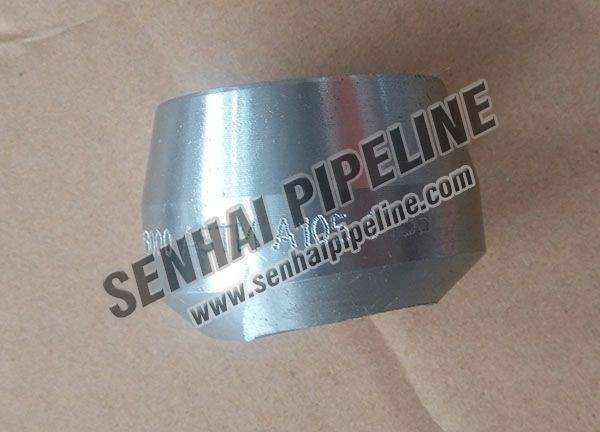
All of these factors - economic, political, social, and trade - have a direct impact on my business as a supplier to the EU. The economic trends, whether it's the push towards green technologies or the challenges from the pandemic, determine what kind of products are in demand. If there's more investment in renewable energy, I need to make sure I can supply the right products, like Socket Welded Olets that are suitable for these projects.
Political stability is crucial. If there are constant changes in trade policies or regulations, it can disrupt my supply chain and make it difficult to do business. And the social and cultural diversity in the EU gives me opportunities to expand my customer base and learn from different perspectives.
Looking Ahead
So, what's the bottom line for the future outlook of the European Union? Well, it's a complex picture. There are definitely some positive signs, like the investment in green technologies and the growing sense of unity among member countries. But there are also some serious challenges, like the global economic recovery, competition from other regions, and political differences.
As a supplier, I'm going to have to be flexible and adaptable. I need to keep an eye on the trends and be ready to adjust my business strategy accordingly. If there's more demand for green products, I'll focus on expanding my product line in that area. And if there are changes in trade policies, I'll work on finding new ways to reach my customers.
If you're in the market for high - quality pipe fittings and other products that I supply, I'd love to have a chat with you. Whether you're a business in the EU or outside of it, I'm confident that I can meet your needs. Let's start a conversation about your procurement requirements and see how we can work together.
References
- European Commission official reports on economic and political developments
- News articles from reliable sources such as BBC, Reuters, and The Economist on EU - related issues
- Industry research reports on the pipe - fitting and manufacturing sectors in the EU.