Hey there! As a pipe fittings supplier, I've dealt with all sorts of pipe fittings on a daily basis. One of the most common questions I get asked is, "What's the difference between threaded and welded pipe fittings?" Well, let's dive right into it.
Threaded Pipe Fittings
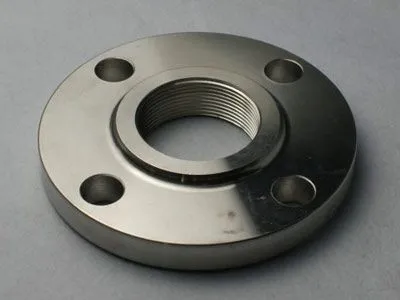
First off, let's talk about threaded pipe fittings. These are the ones with threads on the ends. You know, like the kind you see on a screw. The threads allow the fittings to be screwed onto the pipes or other fittings. It's a pretty straightforward connection method.
One of the biggest advantages of threaded pipe fittings is their ease of installation. You don't need any special tools or skills to install them. All you need is a pipe wrench or a pair of pliers, and you're good to go. It's like putting together a puzzle. You just screw the parts together, and you've got a working pipe system.
Another plus is that threaded fittings are easily removable. If you need to make changes to your pipe system or replace a fitting, you can just unscrew it and put in a new one. This makes maintenance and repairs a whole lot easier.
Threaded pipe fittings are also great for low-pressure applications. They can handle pressures up to a certain point, but they're not the best choice for high-pressure systems. The threads can sometimes leak under high pressure, which can lead to problems.
However, there are some downsides to threaded pipe fittings. One is that they're not as strong as welded fittings. The threads can strip or break, especially if they're not installed correctly. This can cause leaks and other issues.
Another issue is that threaded fittings can be prone to corrosion. The threads provide a lot of surface area for rust and other forms of corrosion to develop. Over time, this can weaken the fitting and cause it to fail.
Welded Pipe Fittings
Now, let's move on to welded pipe fittings. These are the ones that are joined together by welding. Welding is a process where two pieces of metal are heated to a high temperature and then fused together.
The biggest advantage of welded pipe fittings is their strength. Welded joints are much stronger than threaded joints. They can handle high pressures and are less likely to leak. This makes them ideal for high-pressure applications, such as in industrial settings or in plumbing systems that need to carry a lot of water.
Welded fittings also have a smooth interior surface. This reduces friction and allows the fluid or gas to flow more easily through the pipes. It can also help to prevent clogs and other blockages.
Another benefit of welded pipe fittings is their durability. Welded joints are less likely to corrode than threaded joints. The welded area is a single piece of metal, so there are no threads or crevices where corrosion can start.


However, welded pipe fittings also have some drawbacks. One is that they're more difficult to install. Welding requires special equipment and skills. You need to be trained in welding techniques to ensure that the joints are strong and leak-free.
Another issue is that welded fittings are not easily removable. Once a fitting is welded in place, it's there for good. If you need to make changes to your pipe system, you'll have to cut out the welded fitting and replace it with a new one. This can be time-consuming and expensive.
Comparing the Two
So, which one is better, threaded or welded pipe fittings? Well, it really depends on your specific needs.
If you're working on a low-pressure application and you need something that's easy to install and maintain, threaded pipe fittings are a great choice. They're also a good option if you need to make changes to your pipe system frequently.
On the other hand, if you're working on a high-pressure application and you need something that's strong and durable, welded pipe fittings are the way to go. They're also a good choice if you don't need to make changes to your pipe system very often.
Our Product Range
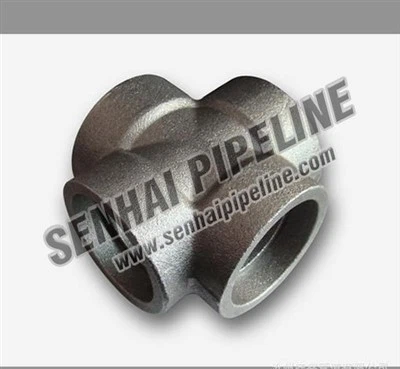
As a pipe fittings supplier, we offer a wide range of both threaded and welded pipe fittings. We also have other great products like 3lpe Coated Pipes, which are highly resistant to corrosion. Our Carbon Steel Plate Flange is a reliable choice for connecting pipes, and our Pipe Fittings Cross is perfect for creating complex pipe systems.
Conclusion
In conclusion, threaded and welded pipe fittings each have their own advantages and disadvantages. The key is to understand your specific needs and choose the right type of fitting for the job. Whether you need threaded or welded pipe fittings, or any of our other great products, we're here to help.
If you're interested in purchasing pipe fittings or have any questions, don't hesitate to reach out. We're always happy to assist you with your pipe fitting needs.
References
- "Pipe Fittings Handbook" - A comprehensive guide on different types of pipe fittings and their applications.
- Industry standards and guidelines on threaded and welded pipe fitting installation and use.