Hey there! As a supplier of Hexagonal Caps, I've been getting a lot of questions lately about whether these nifty little caps can be used in glass manufacturing. Well, let's dive right into it and see what we can find out.
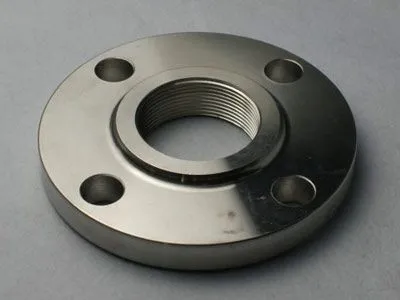
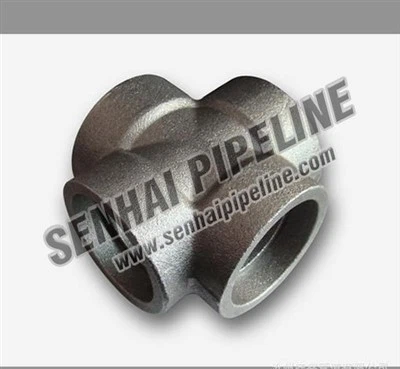
First off, let's talk a bit about what hexagonal caps are. Hexagonal caps, as the name suggests, are caps with a hexagonal shape. They're commonly used in pipe fittings, like the ones you can find on our website: Hexagonal Caps. These caps are usually made from materials like carbon steel, which gives them strength and durability. You can also check out other related pipe fittings on our site, such as Carbon Steel Threaded Elbow and Socket Welded Equal Tee.
Now, when it comes to glass manufacturing, things get a bit more complicated. Glass manufacturing is a highly specialized process that involves melting, shaping, and cooling glass to create various products. There are different types of glass, including soda-lime glass, borosilicate glass, and fused silica glass, each with its own unique properties and manufacturing requirements.
So, can hexagonal caps be used in glass manufacturing? The answer isn't a simple yes or no. It depends on a few factors.
Compatibility with Glass
One of the main considerations is the compatibility between the material of the hexagonal caps and the glass. Glass is a brittle material, and it can react differently to various substances. For example, if the cap is made from a material that releases chemicals or impurities during the manufacturing process, it could contaminate the glass or cause defects.
Carbon steel, which is a common material for hexagonal caps, is generally stable under normal conditions. However, at the high temperatures involved in glass manufacturing, it could potentially oxidize or react with the glass. This could lead to discoloration, bubbles, or other imperfections in the glass.
On the other hand, if the hexagonal caps are made from a material that is chemically inert and has a similar thermal expansion coefficient to the glass, they might be more suitable. For instance, some types of ceramics or certain metals with low reactivity could potentially work.
Function in the Manufacturing Process
Another factor to consider is the function of the hexagonal caps in the glass manufacturing process. In pipe fittings, hexagonal caps are used to seal the end of a pipe, preventing leakage and protecting the contents inside. In glass manufacturing, the requirements are different.
If the hexagonal caps are being used to seal a container or vessel that holds molten glass, they need to be able to withstand the high temperatures and pressures involved. They also need to provide a tight seal to prevent any leakage of the molten glass, which could be extremely dangerous.
In some cases, hexagonal caps might be used as part of a tool or fixture in the shaping or handling of glass. For example, they could be used to hold a glass tube in place during a specific manufacturing step. In this scenario, the caps need to be designed in a way that they don't damage the glass while providing the necessary support.
Advantages of Using Hexagonal Caps
Despite the challenges, there are some potential advantages to using hexagonal caps in glass manufacturing.
Firstly, the hexagonal shape provides a larger surface area for gripping compared to other shapes. This can be useful when handling glass components, especially if they are heavy or need to be held firmly in place.
Secondly, hexagonal caps are relatively easy to manufacture and can be produced in large quantities at a reasonable cost. This makes them an attractive option for glass manufacturers who are looking for cost-effective solutions.
Finally, if the hexagonal caps can be designed to meet the specific requirements of the glass manufacturing process, they could potentially improve the efficiency and quality of the production.


Case Studies and Examples
There aren't many well-documented case studies of hexagonal caps being used in glass manufacturing. However, there are some similar applications in other industries that can give us an idea of what's possible.
In the semiconductor industry, for example, specialized caps and covers are used to protect sensitive components during the manufacturing process. These caps are designed to be chemically inert, have a low outgassing rate, and be able to withstand high temperatures. If similar principles can be applied to hexagonal caps in glass manufacturing, it could open up new possibilities.
Challenges and Limitations
Of course, there are also some challenges and limitations to using hexagonal caps in glass manufacturing.
As mentioned earlier, the compatibility between the cap material and the glass is a major issue. Finding a suitable material that meets all the requirements can be difficult and expensive.
Another challenge is the design and engineering of the hexagonal caps. They need to be precisely designed to fit the specific glass manufacturing equipment and processes. This might require custom-made caps, which can increase the cost and lead time.
Finally, there is the issue of regulatory compliance. Glass manufacturing is subject to strict regulations regarding product quality and safety. Any new component, such as hexagonal caps, needs to meet these regulations before they can be used in the production process.
Conclusion
In conclusion, while it's possible that hexagonal caps could be used in glass manufacturing, there are many factors that need to be considered. The compatibility between the cap material and the glass, the function of the caps in the manufacturing process, and the advantages and challenges all play a role.
As a supplier of hexagonal caps, I'm always looking for new applications and ways to improve our products. If you're a glass manufacturer and you're interested in exploring the possibility of using hexagonal caps in your process, I'd love to hear from you. We can work together to find the best solution for your specific needs. Whether it's finding a suitable material, designing a custom cap, or ensuring regulatory compliance, we're here to help.
So, if you're interested in discussing further or want to start a procurement process, feel free to reach out. Let's see if we can make hexagonal caps work for your glass manufacturing operation.
References
- "Glass Science and Technology" by David R. Uhlmann and Narottam P. Bansal
- "Materials Science and Engineering: An Introduction" by William D. Callister Jr. and David G. Rethwisch