As a seasoned supplier of pipe fittings, I've encountered a wide array of inquiries regarding the common sizes of these essential components. Pipe fittings come in various dimensions to accommodate different applications, industries, and standards. In this blog, I'll delve into the typical sizes of pipe fittings, shedding light on their significance and applications.
Understanding Pipe Size Designations
Before we explore the common sizes of pipe fittings, it's crucial to understand how pipe sizes are designated. In the United States, pipe sizes are typically specified by their nominal pipe size (NPS), which is a dimensionless number that roughly corresponds to the pipe's inside diameter. For example, a 1-inch NPS pipe doesn't have an actual inside diameter of exactly 1 inch but is a standardized size within the industry.
In the metric system, pipe sizes are denoted by their outside diameter (OD) in millimeters. This difference in sizing systems can sometimes lead to confusion, especially when dealing with international projects or suppliers. However, most manufacturers provide conversion charts to help ensure accurate sizing.
Common Sizes of Pipe Fittings
Threaded Pipe Fittings
Threaded pipe fittings are commonly used in low-pressure applications, such as plumbing and residential heating systems. These fittings are available in a range of sizes, typically from 1/8 inch to 4 inches NPS. The most common sizes include 1/2 inch, 3/4 inch, and 1 inch, which are widely used in household plumbing for connecting pipes, faucets, and appliances.
Threaded fittings are easy to install and remove, making them a popular choice for DIY projects. They are typically made of materials such as brass, steel, or PVC, depending on the application and the fluid being transported.
Welded Pipe Fittings
Welded pipe fittings are used in high-pressure applications, such as industrial pipelines and oil and gas transmission systems. These fittings are available in a wider range of sizes compared to threaded fittings, typically from 1/2 inch to 48 inches NPS or larger. The most common sizes for welded fittings are 2 inches, 3 inches, 4 inches, and 6 inches, which are widely used in industrial settings.
Welded fittings provide a strong and leak-proof connection, making them suitable for applications where safety and reliability are paramount. They are typically made of materials such as carbon steel, stainless steel, or alloy steel, depending on the application and the environmental conditions. For more information about welded pipe fittings, you can visit Welded Pipe Astm.
Flanged Pipe Fittings
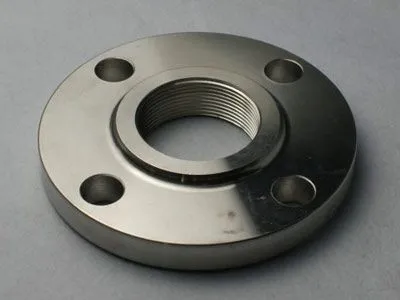
Flanged pipe fittings are used in applications where frequent disassembly and reassembly are required, such as in chemical processing plants and power generation facilities. These fittings are available in a range of sizes, typically from 1/2 inch to 24 inches NPS or larger. The most common sizes for flanged fittings are 4 inches, 6 inches, 8 inches, and 10 inches, which are widely used in industrial settings.
Flanged fittings provide a secure and easy-to-maintain connection, making them suitable for applications where accessibility and flexibility are important. They are typically made of materials such as carbon steel, stainless steel, or alloy steel, depending on the application and the fluid being transported.
Socket Weld Pipe Fittings
Socket weld pipe fittings are used in applications where a smooth bore and a leak-proof connection are required, such as in instrumentation and control systems. These fittings are available in a range of sizes, typically from 1/8 inch to 4 inches NPS. The most common sizes for socket weld fittings are 1/2 inch, 3/4 inch, and 1 inch, which are widely used in industrial settings.
Socket weld fittings provide a strong and reliable connection, making them suitable for applications where vibration and thermal expansion are a concern. They are typically made of materials such as carbon steel, stainless steel, or alloy steel, depending on the application and the environmental conditions.
Grooved Pipe Fittings
Grooved pipe fittings are used in applications where a quick and easy installation is required, such as in fire protection systems and sprinkler systems. These fittings are available in a range of sizes, typically from 1/2 inch to 12 inches NPS or larger. The most common sizes for grooved fittings are 2 inches, 3 inches, 4 inches, and 6 inches, which are widely used in industrial and commercial settings.
Grooved fittings provide a flexible and reliable connection, making them suitable for applications where movement and vibration are a concern. They are typically made of materials such as ductile iron, steel, or stainless steel, depending on the application and the environmental conditions.
Specialized Pipe Fittings
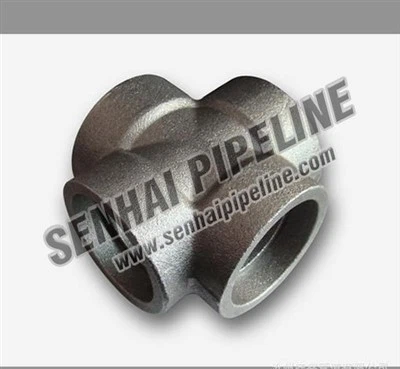
In addition to the common sizes of pipe fittings, there are also specialized fittings available for specific applications. For example, Pipe Fittings Cross is a type of fitting that allows for the connection of four pipes at right angles. These fittings are commonly used in plumbing and industrial applications where multiple pipes need to be connected.
Another example of a specialized fitting is the helical welded pipe, which is used in applications where a high-strength and corrosion-resistant pipe is required. Helical welded pipes are available in a range of sizes, typically from 6 inches to 120 inches OD or larger. For more information about helical welded pipes, you can visit Helical Welded Pipe.
Factors Affecting Pipe Fitting Sizes
The size of a pipe fitting is determined by several factors, including the application, the fluid being transported, the pressure and temperature conditions, and the installation requirements. For example, in high-pressure applications, larger diameter pipes and fittings are typically used to ensure the safety and reliability of the system.
The material of the pipe fitting also plays a role in determining its size. For example, PVC pipe fittings are typically available in smaller sizes compared to steel or brass fittings, as PVC is a relatively lightweight and flexible material.
Importance of Proper Sizing
Proper sizing of pipe fittings is crucial to ensure the efficient and safe operation of a piping system. Using the wrong size fitting can lead to a variety of problems, including leaks, reduced flow rates, and increased pressure drop. In addition, improper sizing can also affect the lifespan of the piping system, leading to premature failure and costly repairs.
When selecting pipe fittings, it's important to consult the manufacturer's specifications and guidelines to ensure that the fittings are compatible with the pipes and the application. In addition, it's also important to consider the installation requirements, such as the available space and the accessibility of the fittings.
Conclusion
In conclusion, the common sizes of pipe fittings vary depending on the type of fitting, the application, and the industry. Threaded fittings are commonly used in low-pressure applications, while welded, flanged, socket weld, and grooved fittings are used in high-pressure applications. Specialized fittings, such as pipe fittings cross and helical welded pipes, are available for specific applications.


Proper sizing of pipe fittings is crucial to ensure the efficient and safe operation of a piping system. When selecting pipe fittings, it's important to consider the application, the fluid being transported, the pressure and temperature conditions, and the installation requirements.
If you're in the market for high-quality pipe fittings, I encourage you to reach out to me for a consultation. As a trusted supplier of pipe fittings, I can provide you with the expertise and products you need to ensure the success of your project. Contact me today to discuss your requirements and explore your options.
References
- ASME B16.9 - Factory-Made Wrought Steel Buttwelding Fittings
- ASTM A105/A105M - Standard Specification for Carbon Steel Forgings for Piping Applications
- ASTM A312/A312M - Standard Specification for Seamless, Welded, and Heavily Cold Worked Austenitic Stainless Steel Pipes
- ASTM D2665 - Standard Specification for Poly(Vinyl Chloride) (PVC) Plastic Pipe, Schedules 40 and 80