Hey there! As a supplier of Slip On Flanges, I often get asked, "What the heck is a Slip On Flange?" Well, let's dive right into it and break it down in simple terms.
Basics of Slip On Flanges
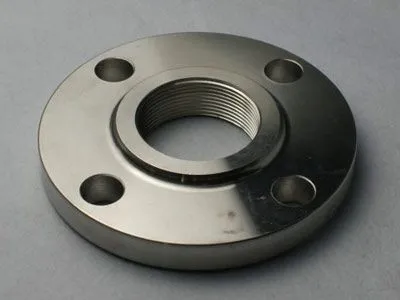
A Slip On Flange is a type of flange that's pretty common in the piping world. It's basically a flat, circular disc with a hole in the middle. The diameter of this hole is slightly larger than the outer diameter of the pipe it's meant to be attached to. This allows the flange to "slip on" over the end of the pipe.
One of the key features of a Slip On Flange is that it's relatively easy to install. You just slide it onto the pipe, and then you can weld it in place. There are two welds typically used: one on the inside and one on the outside of the flange. The inside weld helps to hold the flange in place and prevent any leakage, while the outside weld adds extra strength and stability.
How Slip On Flanges Work
Think of a Slip On Flange as a kind of connector for pipes. When you have two pipes that need to be joined together, a Slip On Flange can be used to make that connection. It provides a secure and reliable way to attach pipes, whether it's in a small plumbing system or a large industrial setup.
Let's say you're working on a project that involves ERW Pipes. These pipes are often used in various applications, and Slip On Flanges are a great match for them. You can easily slip the flange onto the end of the ERW pipe and then weld it. This creates a strong bond that can withstand the pressure and flow of whatever is going through the pipes, be it water, gas, or other fluids.
Advantages of Slip On Flanges
There are several reasons why Slip On Flanges are so popular. First off, they're cost - effective. Compared to some other types of flanges, they're relatively inexpensive to manufacture and install. This makes them a great choice for projects where budget is a concern.
Secondly, they're very versatile. Slip On Flanges can be used in a wide range of industries, from oil and gas to water treatment. They can handle different pressures and temperatures, making them suitable for many different applications.
Another advantage is their ease of alignment. Since they slip onto the pipe, it's easier to get them in the right position compared to some other types of flanges. This can save time during the installation process, which is always a plus.
Applications of Slip On Flanges
Slip On Flanges are used in many different places. In the oil and gas industry, they're used to connect pipes in refineries, pipelines, and offshore platforms. They help to ensure that the flow of oil and gas is controlled and that there are no leaks.
In the water treatment industry, Slip On Flanges are used in water supply systems, sewage treatment plants, and desalination plants. They're crucial for making sure that water can be transported safely and efficiently.
They're also used in the chemical industry, where they connect pipes that carry various chemicals. Since Slip On Flanges can be made from different materials, they can be chosen to be resistant to the specific chemicals being transported.
Materials Used in Slip On Flanges
Slip On Flanges can be made from a variety of materials. The most common material is carbon steel. Carbon steel Slip On Flanges are strong, durable, and relatively inexpensive. They're suitable for many general - purpose applications.
Stainless steel is another popular choice. Stainless steel Slip On Flanges are corrosion - resistant, which makes them ideal for applications where the pipes are exposed to harsh environments or corrosive substances.
There are also Slip On Flanges made from alloy steel. Alloy steel flanges offer enhanced strength and performance, and they're often used in high - pressure and high - temperature applications.
Comparing Slip On Flanges with Other Flanges
There are other types of flanges out there, like weld neck flanges and socket weld flanges. So, how do Slip On Flanges stack up against them?
Weld neck flanges are known for their high strength and are often used in high - pressure applications. They have a long tapered neck that's welded to the pipe, which provides a smooth transition and reduces stress concentration. However, they're more expensive and more difficult to install compared to Slip On Flanges.
Socket weld flanges are also used for high - pressure applications. They're inserted into the pipe and then welded. While they offer good strength, they're also more complex to install than Slip On Flanges.


In many cases, Slip On Flanges are a good compromise between cost, ease of installation, and performance. They're suitable for a wide range of applications where high - end performance isn't always necessary.
Quality Control of Slip On Flanges
As a Slip On Flange supplier, quality control is a big deal for me. We make sure that every flange we produce meets the highest standards. We use advanced manufacturing techniques and test the flanges thoroughly before they leave our facility.
We check the dimensions of the flanges to make sure they're accurate. The hole in the middle of the flange needs to be the right size to fit the pipe properly. We also inspect the surface finish to ensure that there are no defects that could affect the performance of the flange.
In addition, we test the weldability of the flanges. Since welding is an important part of the installation process, it's crucial that the flanges can be welded effectively.
Customization of Slip On Flanges
We understand that different customers have different needs. That's why we offer customization options for our Slip On Flanges. Whether you need a specific size, material, or finish, we can work with you to create the perfect Slip On Flange for your project.
For example, if you're working on a project that involves Large Size Spiral Welded Pipe, we can customize the Slip On Flanges to fit the unique dimensions of these pipes.
Maintenance of Slip On Flanges
Once the Slip On Flanges are installed, it's important to maintain them properly. Regular inspections should be carried out to check for any signs of wear, corrosion, or damage. If there are any issues, they should be addressed promptly to prevent leaks or other problems.
The welds should also be inspected regularly. If there are any cracks or signs of weakness in the welds, they may need to be repaired or re - welded.
Why Choose Us as Your Slip On Flange Supplier
As a supplier, we're committed to providing high - quality Slip On Flanges at competitive prices. We have a team of experienced professionals who are dedicated to ensuring that our customers are satisfied.
We offer a wide range of Slip On Flanges in different sizes, materials, and specifications. Whether you need a small number of flanges for a DIY project or a large quantity for an industrial project, we can meet your needs.
Our customer service is top - notch. We're always available to answer your questions, provide technical support, and help you choose the right Slip On Flanges for your application.
If you're in the market for Slip On Flanges, I encourage you to get in touch with us. We'd love to discuss your project requirements and see how we can help. Whether you're a contractor, an engineer, or a DIY enthusiast, we have the Slip On Flanges you need. Contact us today to start the conversation about your procurement needs and let's work together to make your project a success.
References
- ASME B16.5 - Standard for Pipe Flanges and Flanged Fittings
- ASTM A105/A105M - Standard Specification for Carbon Steel Forgings for Piping Applications
- ASTM A350/A350M - Standard Specification for Carbon and Low - Alloy Steel Forgings, Requiring Notch Toughness Testing for Piping Components