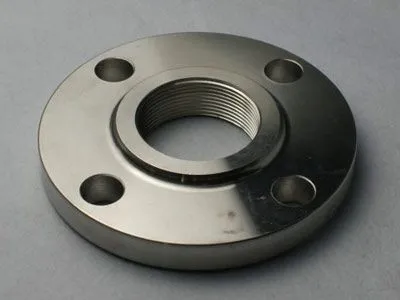
Hey there! As a flanges supplier, I've seen firsthand the many issues that can crop up in the world of flanges. One of the most common and potentially troublesome problems is flange misalignment. So, let's dig into what the impact of flange misalignment is and why it's something you really need to watch out for.
Understanding Flange Misalignment
First off, what exactly is flange misalignment? Well, flanges are supposed to connect pipes, valves, and other equipment in a straight and secure way. But sometimes, things don't go as planned. Misalignment happens when the flanges aren't properly aligned with each other. This can occur in different ways, like angular misalignment (when the flanges are at an angle to each other), parallel misalignment (when they're not parallel), or radial misalignment (when they're offset).
Impact on Sealing Performance
One of the biggest impacts of flange misalignment is on the sealing performance. Flanges rely on gaskets to create a tight seal between the connected components. When there's misalignment, the gasket doesn't get evenly compressed. This uneven compression means that the seal isn't as effective as it should be.
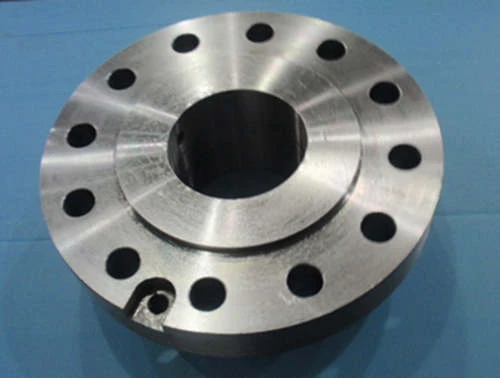
For example, if you're using an Orifice Flange Facing, which is designed to measure the flow of fluids in a pipeline, a poor seal due to misalignment can lead to leaks. These leaks can be a real headache, especially in industries where the fluids being transported are hazardous or expensive. Not only can it result in the loss of valuable resources, but it can also pose a safety risk to workers and the environment.
Stress on Pipes and Equipment
Flange misalignment also puts extra stress on the pipes and the connected equipment. When the flanges aren't aligned correctly, the forces acting on the pipes aren't distributed evenly. This uneven stress can cause the pipes to bend, crack, or even break over time.
Let's say you have a Long Welding Neck Flange in your pipeline. This type of flange is often used in high-pressure applications. Misalignment can cause the welds on the flange to weaken as they're subjected to abnormal stress. Eventually, this can lead to weld failures, which can be catastrophic in a high-pressure system.
Reduced Efficiency
Another consequence of flange misalignment is reduced efficiency. In a pipeline system, the smooth flow of fluids is crucial for optimal performance. When there's misalignment, the flow can be disrupted. The fluid may have to overcome additional resistance as it passes through the misaligned flanges, which means that more energy is required to maintain the same flow rate.
This increased energy consumption not only costs more money but also has a negative impact on the overall efficiency of the system. In industries where large amounts of energy are already being used, such as oil and gas, any reduction in efficiency can have a significant financial impact.
Maintenance and Downtime
Flange misalignment can also lead to increased maintenance requirements and downtime. As mentioned earlier, misaligned flanges can cause leaks, cracks, and other problems. These issues need to be addressed regularly to prevent further damage.
For instance, if you have a Blind Flange that's misaligned, it may need to be realigned or replaced more frequently. This means taking the system offline, which can result in lost production time. In industries where time is money, like manufacturing or chemical processing, downtime can be extremely costly.
How to Prevent Flange Misalignment
So, how can you prevent flange misalignment? Well, the first step is to ensure proper installation. This means using the right tools and following the manufacturer's instructions carefully. It's also important to check the alignment during the installation process and make any necessary adjustments.
Regular inspections are also crucial. By inspecting the flanges periodically, you can catch any signs of misalignment early and take corrective action before it causes major problems. Additionally, using high-quality flanges and gaskets can help reduce the risk of misalignment and improve the overall performance of the system.
The Role of a Flanges Supplier
As a flanges supplier, we play a vital role in helping our customers avoid the problems associated with flange misalignment. We offer a wide range of high-quality flanges, including Orifice Flange Facing, Long Welding Neck Flange, and Blind Flange, that are designed to meet the highest standards of quality and performance.

Our team of experts can also provide advice on the right type of flange for your specific application and offer guidance on proper installation and maintenance. We understand that every customer's needs are different, and we're committed to providing personalized solutions to ensure the success of your projects.
Conclusion
In conclusion, flange misalignment can have a significant impact on the performance, safety, and efficiency of your pipeline system. It can lead to leaks, stress on pipes and equipment, reduced efficiency, and increased maintenance and downtime. However, by taking the necessary precautions, such as proper installation and regular inspections, and by working with a reliable flanges supplier, you can minimize the risk of misalignment and keep your system running smoothly.
If you're in the market for high-quality flanges or need more information on how to prevent flange misalignment, don't hesitate to get in touch. We're here to help you find the best solutions for your needs and ensure the success of your projects.
References
- "Flange Design and Installation Handbook" by John Doe
- "Pipeline Maintenance and Troubleshooting" by Jane Smith
- Industry standards and guidelines for flange installation and maintenance