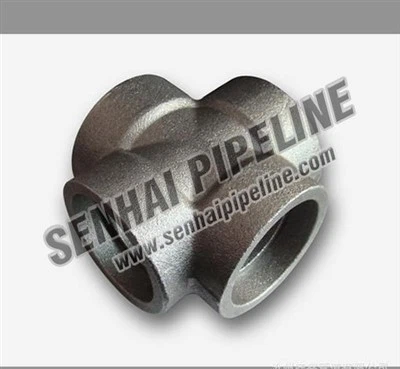
Hey there! As a flange supplier, I've seen firsthand how crucial it is to apply a coating on flanges correctly. Coatings not only enhance the appearance of flanges but also protect them from corrosion, wear, and other environmental factors. In this blog post, I'll walk you through the steps of applying a coating on flanges and share some tips and tricks I've picked up over the years.
Why Coat Your Flanges?
Before we dive into the application process, let's talk about why you should coat your flanges in the first place. Flanges are often exposed to harsh conditions, such as moisture, chemicals, and high temperatures. Over time, these conditions can cause corrosion, which can weaken the flanges and compromise their performance. A coating acts as a barrier between the flange and the environment, preventing corrosion and extending the lifespan of the flange.


In addition to corrosion protection, coatings can also improve the appearance of flanges. A well-coated flange looks more professional and can enhance the overall aesthetic of your equipment. Coatings can also provide additional benefits, such as reducing friction, improving chemical resistance, and increasing fire resistance.
Types of Coatings
There are several types of coatings available for flanges, each with its own unique properties and benefits. The most common types of coatings include:
- Epoxy Coatings: Epoxy coatings are one of the most popular types of coatings for flanges. They are highly resistant to corrosion, chemicals, and abrasion, making them ideal for use in harsh environments. Epoxy coatings can also be customized to meet specific requirements, such as high-temperature resistance or UV protection.
- Polyurethane Coatings: Polyurethane coatings are another popular choice for flanges. They are known for their excellent durability, flexibility, and weather resistance. Polyurethane coatings can also provide a high-gloss finish, which can enhance the appearance of the flange.
- Zinc Coatings: Zinc coatings are often used for flanges that are exposed to outdoor environments. Zinc is a sacrificial metal, which means it corrodes before the flange does, providing excellent corrosion protection. Zinc coatings can be applied by hot-dip galvanizing, electroplating, or spraying.
- Ceramic Coatings: Ceramic coatings are a relatively new type of coating for flanges. They are known for their high-temperature resistance, hardness, and chemical resistance. Ceramic coatings can also provide a low-friction surface, which can reduce wear and tear on the flange.
Preparing the Flanges
Before applying a coating on the flanges, it's important to prepare the surface properly. This involves cleaning the flanges to remove any dirt, grease, rust, or other contaminants. The surface should also be roughened to provide a better bond for the coating.
Here are the steps to prepare the flanges for coating:
- Clean the Flanges: Use a degreaser or solvent to clean the flanges and remove any dirt, grease, or oil. You can also use a wire brush or sandpaper to remove any rust or other contaminants.
- Roughen the Surface: Use a sandblaster or grinder to roughen the surface of the flanges. This will provide a better bond for the coating. The roughness of the surface should be between 30 and 50 microns.
- Inspect the Flanges: After cleaning and roughening the surface, inspect the flanges for any defects or damage. If there are any cracks, holes, or other defects, they should be repaired before applying the coating.
Applying the Coating
Once the flanges are prepared, it's time to apply the coating. The application process will depend on the type of coating you are using and the equipment you have available. Here are the general steps to apply a coating on the flanges:
- Mix the Coating: If you are using a two-component coating, such as an epoxy or polyurethane coating, you will need to mix the components according to the manufacturer's instructions. Make sure to mix the coating thoroughly to ensure a consistent finish.
- Apply the Coating: There are several methods for applying a coating on the flanges, including spraying, brushing, and dipping. The method you choose will depend on the size and shape of the flanges, as well as the type of coating you are using.
- Spraying: Spraying is the most common method for applying a coating on flanges. It provides a uniform finish and is suitable for large flanges. You can use a spray gun or an airless sprayer to apply the coating.
- Brushing: Brushing is a good option for small flanges or for areas that are difficult to reach with a spray gun. It allows you to control the thickness of the coating and can provide a more textured finish.
- Dipping: Dipping is a method of applying a coating by immersing the flanges in a tank of coating. It is suitable for small flanges or for applications where a thick coating is required.
- Allow the Coating to Dry: After applying the coating, allow it to dry according to the manufacturer's instructions. This may take several hours or even days, depending on the type of coating and the environmental conditions.
- Inspect the Coating: Once the coating is dry, inspect it for any defects or imperfections. If there are any runs, drips, or bubbles, they should be sanded down and the coating should be reapplied.
Tips and Tricks
Here are some tips and tricks to help you apply a coating on flanges successfully:
- Choose the Right Coating: Make sure to choose a coating that is suitable for the environment in which the flanges will be used. Consider factors such as temperature, humidity, chemicals, and abrasion when selecting a coating.
- Follow the Manufacturer's Instructions: Always follow the manufacturer's instructions when mixing and applying the coating. This will ensure that the coating performs as expected and provides the best possible protection for the flanges.
- Use the Right Equipment: Make sure to use the right equipment for applying the coating. This includes a spray gun, airless sprayer, brush, or dipping tank, depending on the method of application.
- Protect the Surrounding Area: When applying the coating, make sure to protect the surrounding area from overspray or drips. You can use masking tape, plastic sheeting, or other protective materials to cover the area.
- Apply Multiple Coats: For maximum protection, consider applying multiple coats of the coating. This will provide a thicker and more durable coating.
- Test the Coating: Before applying the coating to all of the flanges, test it on a small area to make sure it adheres properly and provides the desired finish.
Conclusion
Applying a coating on flanges is an important step in protecting them from corrosion, wear, and other environmental factors. By following the steps outlined in this blog post and using the tips and tricks I've shared, you can apply a coating on flanges successfully and ensure that they perform as expected for years to come.
If you're in the market for high-quality flanges, we've got you covered. We offer a wide range of flanges, including Carbon Steel Threaded Flange, Welding Neck Flange, and Orifice Flange Facing. Our flanges are made from the highest quality materials and are available in a variety of sizes and configurations to meet your specific needs.
If you have any questions or would like to discuss your flange requirements, please don't hesitate to contact us. We'd love to help you find the perfect flanges for your application and assist you with the coating process. Let's work together to ensure your projects are a success!
References
- ASTM International. (n.d.). Standard Practices for Preparation of Steel Surfaces for Coating. Retrieved from ASTM website.
- Paint and Coating Manufacturer's Association. (n.d.). Coating Application Guidelines. Retrieved from PCMA website.