Hey there! As a supplier of Carbon Steel Elbow, I've seen my fair share of installation projects. Today, I'm gonna walk you through the process of installing carbon steel elbows in a vertical pipeline. It might seem a bit daunting at first, but with the right steps and a bit of know-how, you'll have it done in no time.
Pre - installation Checks
Before you even start thinking about installing the carbon steel elbow, there are a few important checks you need to do. First off, take a good look at the pipeline. Make sure it's clean and free from any debris, rust, or dirt. A dirty pipeline can cause leaks and reduce the overall efficiency of the system. You can use a wire brush or a pipe cleaner to get rid of any stubborn grime.
Next, measure the pipeline and the carbon steel elbow. They need to fit together perfectly. Check the diameter, wall thickness, and angle of the elbow. The angle is crucial, especially in vertical pipelines as it affects the flow of the fluid or gas inside. For example, a 90 - degree elbow will cause a more abrupt change in direction compared to a 45 - degree elbow.
Also, inspect the carbon steel elbow itself. Look for any cracks, dents, or other damages. If you find any issues, don't use the elbow. As a Carbon Steel Elbow supplier, I always recommend using high - quality products to ensure a long - lasting and reliable installation.
Tools You'll Need
You're gonna need a few tools for this job. A pipe cutter is essential if you need to cut the pipeline to fit the elbow. Make sure it's sharp and in good condition. A welding machine is also necessary if you're going to weld the elbow to the pipeline. There are different types of welding methods, such as arc welding and TIG welding, but the choice depends on the specific requirements of your project.
You'll also need a measuring tape to double - check the dimensions, a level to make sure the pipeline is vertical, and some safety gear like gloves and goggles. Safety should always be your top priority when working with pipes and welding equipment.
Preparing the Pipeline and Elbow
Once you've done your checks and gathered your tools, it's time to prepare the pipeline and the elbow for installation. If you need to cut the pipeline, use the pipe cutter to make a clean, straight cut. Make sure the cut is perpendicular to the axis of the pipeline.
After cutting, deburr the edges of the pipeline and the elbow. Burrs can cause problems during welding and can also affect the flow of the fluid or gas. You can use a file or a deburring tool to smooth out the edges.
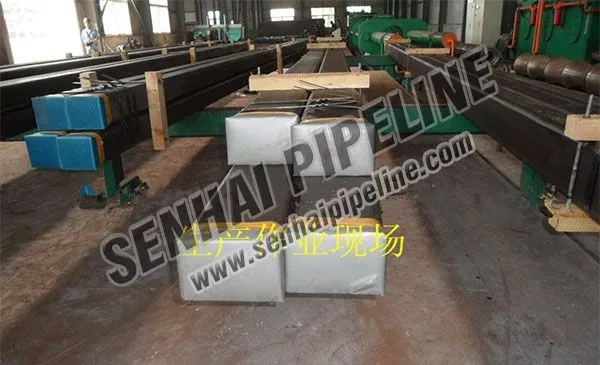
If you're using RHS SHS Carbon Steel for your pipeline and elbow, it's important to note that they might require a different preparation process compared to other types of carbon steel. RHS (Rectangular Hollow Section) and SHS (Square Hollow Section) have their own unique characteristics, so make sure you follow the appropriate guidelines.
Welding the Elbow to the Pipeline
Welding is a critical step in installing the carbon steel elbow in a vertical pipeline. First, align the elbow with the pipeline. Use a level to ensure that the pipeline remains vertical during the welding process. Clamp the elbow in place to keep it steady.
Before you start welding, pre - heat the area if necessary. Pre - heating helps to reduce the risk of cracking and improves the quality of the weld. The pre - heating temperature depends on the type and thickness of the carbon steel.

When you start welding, use the appropriate welding technique and filler material. For carbon steel, a common filler material is ER70S - 6. Make sure you follow the correct welding parameters, such as the welding current, voltage, and travel speed.
Weld around the joint in a continuous, even manner. Start from the bottom and work your way up to avoid any drips or uneven welds. After welding, let the joint cool down slowly. Rapid cooling can cause stress and cracking in the weld.
Post - welding Inspection
Once the weld has cooled down, it's time to do a post - welding inspection. Check the weld for any signs of cracks, porosity, or other defects. You can use a visual inspection or a non - destructive testing method like ultrasonic testing or X - ray testing if required.
If you find any issues with the weld, you'll need to repair it. This might involve grinding down the defective area and re - welding it. As a Carbon Steel Elbow supplier, I always stress the importance of a high - quality weld to ensure the integrity of the pipeline system.
Testing the Pipeline
After the installation and inspection are complete, it's time to test the pipeline. You can do a pressure test to check for any leaks. Slowly increase the pressure in the pipeline to the specified test pressure and hold it for a certain period of time. Monitor the pipeline for any signs of leakage, such as drops of fluid or a decrease in pressure.
If you find a leak, mark the location and repair it. This might involve tightening the joint or re - welding it if necessary. Once the pipeline passes the pressure test, it's ready to be put into service.
Maintenance Tips
To ensure the long - term performance of your carbon steel elbow and the entire pipeline system, regular maintenance is essential. Inspect the pipeline and the elbow periodically for any signs of corrosion, wear, or damage.
If you notice any corrosion, you can apply a protective coating to the affected area. There are different types of coatings available, such as epoxy coatings and zinc coatings, which can help to prevent further corrosion.
Keep an eye on the flow rate and pressure in the pipeline. Any sudden changes could indicate a problem with the elbow or the pipeline system. If you encounter any issues, don't hesitate to consult a professional.
Conclusion
Installing a carbon steel elbow in a vertical pipeline might seem like a complex task, but if you follow the right steps and take the necessary precautions, it can be done successfully. As a Carbon Steel Elbow supplier, I'm here to provide you with high - quality products and the support you need for your installation projects.
If you're in the market for carbon steel elbows or Cs RHS SHS, don't hesitate to get in touch. We can offer you a wide range of products to meet your specific requirements. Whether you're working on a small - scale project or a large industrial installation, we've got you covered. Let's talk about your needs and find the best solutions for your pipeline system.
References
- American Society of Mechanical Engineers (ASME) Boiler and Pressure Vessel Code
- Welding Handbook, published by the American Welding Society
- Pipeline Design and Construction: A Practical Approach, by Mohit Jain