

As a dedicated supplier of forged fittings, I've witnessed firsthand the diverse applications and requirements across various industries. One aspect that often goes under the radar but holds significant importance is the noise - reduction properties of forged fittings. In this blog, we'll delve into the science behind these properties, explore how different types of forged fittings contribute to noise reduction, and discuss why this matters in real - world applications.
The Science of Noise in Piping Systems
Before we jump into the noise - reduction capabilities of forged fittings, it's essential to understand how noise is generated in piping systems. Fluid flow through pipes can create several types of noise. Turbulence, which occurs when the fluid's velocity changes abruptly, is a major culprit. This can happen at bends, tees, or other pipe fittings where the flow path is altered. Additionally, pressure fluctuations within the fluid can lead to vibrations in the pipes, which in turn produce audible noise.
The materials used in forged fittings play a crucial role in determining their noise - reduction properties. Forged fittings are typically made from high - quality metals such as carbon steel, stainless steel, or alloy steel. These metals have inherent damping characteristics, which means they can absorb and dissipate energy from vibrations. When a fluid - induced vibration reaches a forged fitting, the metal structure of the fitting acts as a buffer, reducing the amplitude of the vibration and, consequently, the noise level.
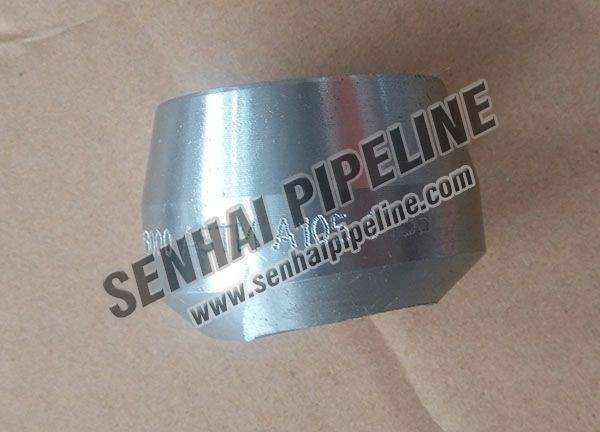

Noise - Reduction Properties of Different Forged Fittings
Socket Welded Olets
Socket Welded Olets are designed to provide a branch connection to a main pipe. Their unique design helps in reducing noise in multiple ways. Firstly, the socket - welded connection creates a tight and secure joint. This reduces the likelihood of fluid leakage and the associated noise that can occur due to high - velocity fluid escaping from a loose connection.
Secondly, the shape of the olet helps to streamline the fluid flow. By providing a smooth transition for the fluid from the main pipe to the branch, it minimizes turbulence. Turbulence is a major source of noise in piping systems, and by reducing it, socket welded olets contribute to a quieter operation.
Bw Olets
Bw Olets, or butt weld olets, are another type of forged fitting known for their noise - reduction capabilities. The butt - weld connection is a strong and continuous joint that provides excellent structural integrity. This means that it can better withstand the pressure and vibrations generated by the fluid flow.
The smooth surface finish of Bw Olets also plays a role in noise reduction. A smooth surface allows the fluid to flow more freely, reducing the friction between the fluid and the fitting. Less friction means less energy is converted into noise - generating vibrations. Moreover, the seamless nature of the butt - weld joint eliminates any sharp edges or irregularities that could potentially cause turbulence and noise.
Socket Welded Equal Tee
Socket Welded Equal Tee is a forged fitting used when a fluid needs to be divided into two equal streams or combined from two sources. The design of the equal tee is optimized to minimize flow disturbances. The internal passages of the tee are carefully engineered to ensure a smooth and even distribution of the fluid.
When the fluid enters the tee, the socket - welded connections help to maintain a stable flow pattern. This reduces the chances of flow separation and the subsequent formation of turbulent eddies, which are major sources of noise. The equal tee's ability to balance the flow also reduces the pressure differentials within the piping system, further contributing to noise reduction.
Real - World Applications and the Importance of Noise Reduction
In industrial settings, noise reduction is not just a matter of comfort; it's a critical safety and operational requirement. High - noise levels can cause hearing damage to workers, leading to long - term health issues. Moreover, excessive noise can interfere with communication in the workplace, increasing the risk of accidents.
In the oil and gas industry, for example, piping systems are often located in close proximity to living quarters or other sensitive areas. Reducing the noise generated by these systems is essential to comply with environmental regulations and to maintain a safe and healthy working environment. Forged fittings with good noise - reduction properties can help companies meet these requirements without sacrificing the efficiency of their operations.
In the food and beverage industry, noise reduction is also important. Quiet piping systems are less likely to contaminate the products being processed. Additionally, a quiet working environment is more conducive to quality control and employee productivity.
Factors Affecting Noise Reduction in Forged Fittings
Several factors can influence the noise - reduction performance of forged fittings. The material composition of the fitting is one of the most significant factors. As mentioned earlier, metals with high damping capacities, such as certain alloy steels, are better at absorbing vibrations and reducing noise.
The size and dimensions of the fitting also matter. Larger fittings may have more surface area to absorb vibrations, but they also need to be properly designed to ensure that the fluid flow remains smooth. Improperly sized fittings can actually increase turbulence and noise.
The installation process is another crucial factor. A poorly installed forged fitting can create leaks, gaps, or misalignments that will compromise its noise - reduction capabilities. It's essential to follow the manufacturer's installation guidelines carefully to ensure optimal performance.
How to Choose the Right Forged Fittings for Noise Reduction
When selecting forged fittings for noise - reduction purposes, it's important to consider the specific requirements of your piping system. Start by assessing the fluid characteristics, such as flow rate, pressure, and temperature. These factors will determine the type of fitting material and design that is most suitable.
Look for fittings with smooth internal surfaces and well - designed flow paths. Fittings with rounded edges and gradual transitions are generally better at reducing turbulence and noise. It's also a good idea to consult with a professional engineer or a knowledgeable supplier who can provide expert advice based on your specific needs.
Conclusion
As a supplier of forged fittings, I understand the importance of providing products that not only meet the functional requirements of our customers but also contribute to a safer and more comfortable working environment. The noise - reduction properties of forged fittings are a valuable feature that can have a significant impact on the performance and compliance of piping systems.
Whether you're in the oil and gas, food and beverage, or any other industry that relies on piping systems, choosing the right forged fittings can make a big difference. If you're interested in learning more about our range of forged fittings and how they can help you reduce noise in your piping systems, I encourage you to reach out to us for a detailed discussion. We're here to assist you in finding the perfect solutions for your specific needs.
References
- "Piping Handbook" by Cameron W. John
- "Fluid Mechanics" by Frank M. White
- Industry reports on noise control in piping systems


