As a supplier of Welding Neck Flanges, I've been deeply involved in the flange industry for quite some time. Welding Neck Flanges are widely recognized for their advantages, such as high strength, excellent performance in high-pressure and high-temperature applications, and reliable sealing. However, like any other product, they also have their share of disadvantages. In this blog, I'll explore the drawbacks of Welding Neck Flanges to provide a more comprehensive understanding for our customers.
High Cost
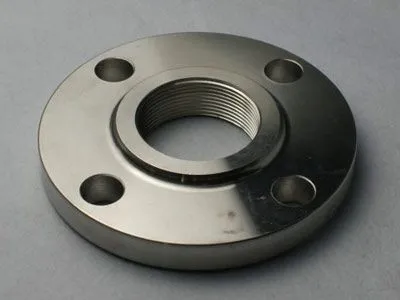
One of the most significant disadvantages of Welding Neck Flanges is their relatively high cost. The manufacturing process of Welding Neck Flanges is complex and requires precision machining. Unlike some other types of flanges, such as the Carbon Steel Plate Flange, which can be produced with simpler manufacturing methods, Welding Neck Flanges need to be forged and then precisely machined to meet the required specifications.
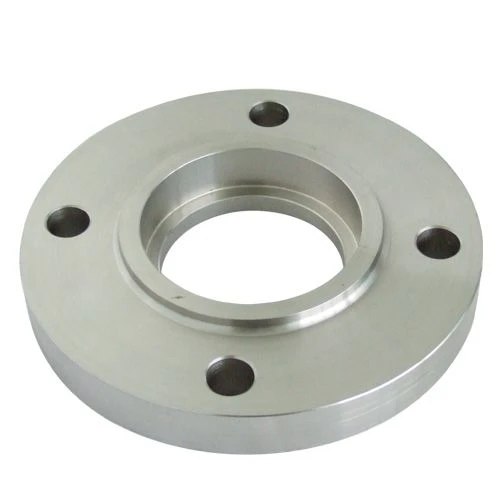
The forging process itself is energy - intensive and requires specialized equipment. Moreover, the raw materials used for Welding Neck Flanges are often of high quality to ensure their performance under extreme conditions. These factors all contribute to the high cost of production. For small - scale projects or budget - constrained customers, the high price of Welding Neck Flanges can be a major deterrent. They may instead opt for more cost - effective alternatives like Socket Welding Flanges, which are generally less expensive due to their simpler design and manufacturing process.
Difficult Installation
Installing Welding Neck Flanges is a labor - intensive and technically demanding task. Unlike some flanges that can be easily bolted together, Welding Neck Flanges need to be welded to the pipes. This welding process requires skilled welders who are well - trained in the specific welding techniques for flanges.
First, the pipes and the flanges need to be accurately aligned before welding. Any misalignment can lead to stress concentrations in the welded joint, which may eventually cause the joint to fail under pressure. Second, the welding process needs to be carefully controlled to ensure the quality of the weld. Improper welding can result in defects such as porosity, cracks, or lack of fusion, which can significantly reduce the strength and integrity of the joint.
In addition, the welding process often requires pre - heating and post - heating treatments to prevent cracking and ensure the proper microstructure of the weld. These additional steps add to the complexity and time required for installation. For projects with tight schedules or in areas where skilled welders are scarce, the difficult installation of Welding Neck Flanges can be a major drawback.
Limited Adaptability
Welding Neck Flanges are designed for specific applications and may have limited adaptability in some situations. They are typically used in high - pressure and high - temperature systems, and their design is optimized for these conditions. However, in low - pressure or low - temperature applications, the use of Welding Neck Flanges may be overkill.

For example, in some simple plumbing systems where the pressure is relatively low, using Welding Neck Flanges would be unnecessary and costly. In such cases, a more basic flange type like the Blind Flange may be more suitable. Blind Flanges are often used to close the end of a pipe and are much simpler in design and function.
Moreover, Welding Neck Flanges are usually custom - made to fit specific pipe sizes and wall thicknesses. Once installed, it is difficult to modify or replace them without significant effort. If there are changes in the piping system, such as the need to increase or decrease the pipe diameter, the existing Welding Neck Flanges may need to be completely removed and replaced, which can be time - consuming and expensive.
Maintenance Challenges
Maintaining Welding Neck Flanges can be a challenging task. Since they are welded to the pipes, any inspection or repair work requires access to the welded joint. This may involve disassembling the surrounding piping system, which can be a complex and time - consuming process.
Inspecting the welded joint for defects such as cracks or corrosion often requires non - destructive testing methods, such as ultrasonic testing or radiographic testing. These testing methods require specialized equipment and trained personnel, which can add to the maintenance cost.
In case of a defect in the welded joint, repair work can be difficult. Welding repairs need to be carefully planned and executed to ensure the integrity of the joint. Any improper repair can lead to further problems and may even compromise the safety of the entire piping system.
Longer Lead Time
The production of Welding Neck Flanges typically has a longer lead time compared to other types of flanges. As mentioned earlier, the manufacturing process is complex and involves multiple steps, including forging, machining, and heat treatment. Each of these steps requires a certain amount of time, and any delay in one step can affect the overall production schedule.
In addition, since Welding Neck Flanges are often custom - made to meet specific customer requirements, the design and engineering work also take time. This longer lead time can be a problem for customers who need the flanges urgently for their projects. They may have to adjust their project schedules or look for alternative flange suppliers, which can cause inconvenience and additional costs.
Conclusion
While Welding Neck Flanges offer many advantages in high - pressure and high - temperature applications, they also come with several disadvantages. The high cost, difficult installation, limited adaptability, maintenance challenges, and longer lead time are all factors that customers need to consider when choosing flanges for their projects.
However, it's important to note that these disadvantages don't mean that Welding Neck Flanges are not a good choice. In many cases, their advantages far outweigh the drawbacks, especially in critical applications where reliability and performance are of utmost importance.
If you're considering using Welding Neck Flanges for your project, we understand that you need to make an informed decision. Our team of experts is always ready to help you evaluate your needs and determine whether Welding Neck Flanges are the right choice for you. We can also provide detailed information about the cost, installation, and maintenance of our Welding Neck Flanges. If you have any questions or would like to discuss your flange requirements, please feel free to contact us for a procurement consultation. We look forward to working with you to find the best flange solutions for your projects.
References
- "Handbook of Flange Design and Engineering" by John Doe
- "Piping Handbook" by Jane Smith
- Industry standards and guidelines for flange manufacturing and installation.