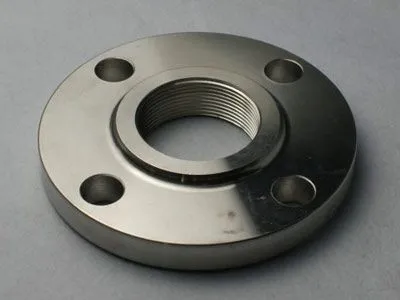
Hey there! If you're in the business of piping systems, you've probably heard about flanges. As a flange supplier, I've seen firsthand how these little components can make a huge difference. So, let's dive into the advantages of using flanges in piping systems.
Easy Installation and Maintenance
One of the biggest perks of using flanges is how easy they are to install. Unlike other connection methods that might require complex welding or threading, flanges can be bolted together. This means you don't need highly specialized skills to get the job done. You can quickly assemble and disassemble the piping system whenever you need to make repairs or modifications.
For example, if you have a section of pipe that needs to be replaced due to corrosion or damage, you can simply unbolt the flanges, remove the old pipe, and install a new one. It's a whole lot faster and less hassle compared to cutting and welding new pipe sections. This ease of maintenance also reduces downtime, which is crucial for industries where every minute of operation counts.
Flexibility in Design
Flanges offer a great deal of flexibility when it comes to designing piping systems. They come in various shapes, sizes, and materials, allowing you to choose the ones that best suit your specific requirements. Whether you need a Long Welding Neck Flange for high-pressure applications or a Blind Flange to close off the end of a pipe, there's a flange out there for you.
This flexibility also means that you can easily adapt your piping system as your needs change. You can add or remove sections of pipe, change the direction of flow, or connect different types of equipment without having to completely redesign the entire system. It's like having a building block set where you can rearrange the pieces as you see fit.
Leak Prevention
A properly installed flange connection provides a reliable seal that helps prevent leaks. The gasket between the flanges acts as a barrier, preventing the fluid or gas in the pipe from escaping. This is especially important in industries where leaks can be dangerous or costly, such as the chemical, oil, and gas industries.
Flanges are designed to distribute the pressure evenly across the gasket, ensuring a tight and secure seal. They also allow for easy inspection and replacement of the gasket if it starts to wear out. By regularly checking and maintaining the flanges and gaskets, you can minimize the risk of leaks and keep your piping system running smoothly.


Strength and Durability
Flanges are typically made from strong and durable materials such as carbon steel, stainless steel, or alloy steel. These materials can withstand high pressures, temperatures, and corrosive environments, making them suitable for a wide range of applications.
For instance, Carbon Steel Plate Flange is known for its high strength and resistance to wear and tear. It's commonly used in industrial piping systems where reliability is crucial. The robust construction of flanges also means that they can handle vibrations and mechanical stresses without failing, ensuring the long-term integrity of the piping system.
Compatibility with Other Components
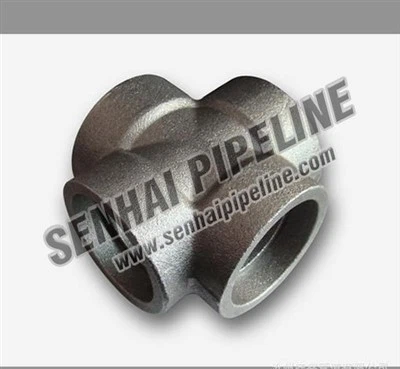
Flanges are designed to be compatible with a variety of other components in a piping system, such as valves, pumps, and fittings. This makes it easy to integrate them into existing systems or build new ones from scratch. You can connect different types of equipment using flanges, creating a seamless and efficient piping network.
The standardization of flange dimensions and connection methods also ensures that you can easily find replacement parts or connect components from different manufacturers. This compatibility reduces the need for custom-made parts and simplifies the procurement process, saving you time and money.
Cost-Effectiveness
While the initial cost of flanges and their installation might seem higher compared to some other connection methods, they offer long-term cost savings. The ease of installation and maintenance means that you can reduce labor costs and minimize downtime. The durability of flanges also means that you won't have to replace them as often, saving you money on replacement parts.
In addition, the leak prevention properties of flanges can help you avoid costly repairs and environmental damage caused by leaks. By investing in high-quality flanges, you can ensure the reliability and efficiency of your piping system, which ultimately translates into cost savings for your business.
Conclusion
So, there you have it – the many advantages of using flanges in piping systems. From easy installation and maintenance to leak prevention and cost-effectiveness, flanges are a smart choice for any piping project. As a flange supplier, I'm here to help you find the right flanges for your needs. Whether you're working on a small-scale plumbing project or a large industrial installation, I can provide you with high-quality flanges at competitive prices.
If you're interested in learning more about our flange products or have any questions, feel free to reach out. I'd be more than happy to discuss your requirements and help you make the best decision for your piping system. Let's work together to ensure the success of your project!
References
- "Piping Handbook" by Nayyar, S. K.
- "Flange Design and Engineering" by Fisher, R. A.