Hey there! I'm a supplier of BW fittings, and today I wanna chat about whether BW fittings can be used in wastewater treatment systems.
First off, let's get to know what BW fittings are. BW stands for butt - weld, and these fittings are used to connect pipes by welding the ends together. They come in various shapes and sizes, like elbows, tees, crosses, and reducers. The main advantage of BW fittings is that they create a strong, leak - proof joint, which is super important in any piping system.
Now, let's talk about wastewater treatment systems. These systems are designed to treat and purify wastewater before it's released back into the environment. They involve a series of processes, including physical, chemical, and biological treatments. The piping in these systems needs to be able to handle different types of wastewater, which can contain all sorts of stuff like solids, chemicals, and microorganisms.
So, can BW fittings be used in wastewater treatment systems? The answer is a big yes! Here are some reasons why.
Durability
Wastewater can be pretty harsh on pipes. It might have high levels of acidity or alkalinity, or it could carry abrasive particles. BW fittings, especially those made from materials like carbon steel, are very durable. Carbon steel is known for its strength and resistance to wear and tear. For example, a Carbon Steel Tee can withstand the constant flow of wastewater and the pressure changes that happen during the treatment process. It won't easily crack or corrode, which means it can last a long time in a wastewater treatment plant.
Leak - proof Joints
One of the biggest concerns in a wastewater treatment system is leaks. Leaks can lead to environmental contamination and can also waste a lot of water and energy. BW fittings create a seamless, leak - proof connection between pipes. When the ends of the pipes and the fittings are welded together, there are no gaps for the wastewater to seep through. This is crucial for maintaining the efficiency of the treatment process and preventing any potential hazards.
Compatibility
BW fittings are compatible with a wide range of pipe materials commonly used in wastewater treatment systems. Whether it's carbon steel pipes, stainless steel pipes, or even some types of plastic pipes, BW fittings can be used to connect them. This flexibility makes it easier for engineers and operators to design and build wastewater treatment systems that meet their specific needs.
Customization
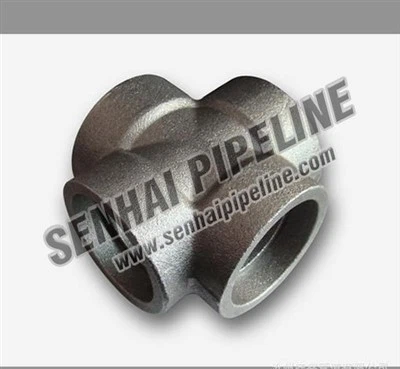
In wastewater treatment systems, there are often unique requirements for the piping layout. BW fittings can be customized to fit these special needs. For instance, a Pipe Fittings Cross can be made in different sizes and configurations to allow for multiple pipe connections at a single point. This customization helps in optimizing the flow of wastewater through the system and ensures that all treatment processes are carried out smoothly.
Cost - effectiveness
When it comes to long - term cost, BW fittings are a great choice for wastewater treatment systems. Although the initial cost of purchasing and installing BW fittings might be a bit higher compared to some other types of fittings, their durability means that they don't need to be replaced as often. This reduces the overall maintenance and replacement costs over the life of the system. Also, since they create leak - proof joints, there's less loss of wastewater and energy, which can save money in the long run.
Resistance to Pressure
Wastewater treatment systems often operate under high pressure, especially in processes like filtration and pumping. BW fittings can handle these high pressures without deforming or failing. A Carbon Steel Reducers can be used to smoothly transition between pipes of different diameters while maintaining the pressure integrity of the system. This ensures that the wastewater flows through the system at the right speed and pressure for effective treatment.
However, there are also some considerations when using BW fittings in wastewater treatment systems.
Installation Skills
Welding BW fittings requires skilled workers. If the welding is not done correctly, it can lead to weak joints that might fail over time. So, it's important to hire experienced welders who are familiar with the specific requirements of wastewater treatment systems.
Maintenance
Although BW fittings are durable, they still need regular maintenance. This includes checking for signs of corrosion, inspecting the welds for any cracks, and ensuring that the fittings are properly aligned. Regular maintenance helps to extend the lifespan of the fittings and keeps the wastewater treatment system running smoothly.
Material Selection
The choice of material for BW fittings is crucial. Depending on the composition of the wastewater, different materials might be more suitable. For example, if the wastewater is highly corrosive, stainless steel BW fittings might be a better choice than carbon steel.


In conclusion, BW fittings are a great option for wastewater treatment systems. Their durability, leak - proof joints, compatibility, customization options, cost - effectiveness, and pressure resistance make them well - suited for the challenging environment of wastewater treatment. If you're involved in the design, construction, or maintenance of a wastewater treatment system, I highly recommend considering BW fittings.
If you're interested in purchasing BW fittings for your wastewater treatment project, I'd love to have a chat with you. We can discuss your specific needs, the best materials for your system, and get you the right fittings at a great price. Just reach out, and let's start the conversation about how we can make your wastewater treatment system even better.
References
- "Wastewater Treatment Engineering" by Metcalf & Eddy
- "Piping Handbook" by Cameron Engineering and Associates