Hey there! I'm a supplier of forged plugs, and I often get asked this question: Can forged plugs be used in medical equipment? Well, let's dig into this topic and find out.
First off, what are forged plugs? Forged plugs are essentially components made through a forging process. This process involves shaping metal by applying compressive forces, usually with a hammer or a press. The result is a strong, durable piece that can withstand high pressure and stress. As a supplier, I've seen forged plugs used in a wide range of industries, from oil and gas to plumbing. But the medical field is a whole different ballgame.
Medical equipment has to meet extremely high standards. Safety and reliability are non - negotiable. The materials used in medical devices need to be biocompatible, meaning they don't cause any adverse reactions when they come into contact with the human body. They also need to be easy to clean and sterilize to prevent the spread of infections.
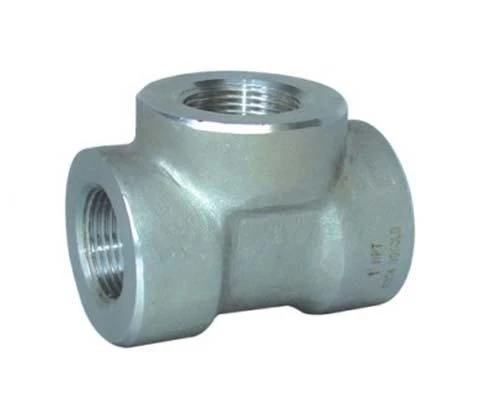

So, can forged plugs meet these requirements? In some cases, yes. There are certain types of forged plugs made from materials like stainless steel. Stainless steel is a popular choice in the medical industry because it's corrosion - resistant, strong, and relatively easy to clean. For example, in some types of medical tubing systems, forged plugs can be used to seal off ports or connections. They help maintain the integrity of the system and prevent any leakage.
However, it's not as simple as just slapping a forged plug into a medical device. There are strict regulations in place. In the United States, the Food and Drug Administration (FDA) regulates medical devices. Any component used in a medical device has to go through a rigorous approval process. This includes testing for biocompatibility, mechanical strength, and other factors. If a forged plug doesn't meet these standards, it can't be used in medical equipment.
Another factor to consider is the manufacturing process. For medical applications, the forging process has to be carefully controlled. Any impurities or flaws in the forged plug could pose a risk to patients. That's why as a supplier, we pay close attention to every step of the production. We use high - quality raw materials and advanced manufacturing techniques to ensure that our forged plugs are of the highest quality.
Now, let's talk about some related products. If you're in the market for other forged fittings, you might be interested in Socket Welded Olets. These are great for creating branch connections in piping systems. They're designed to be welded onto the main pipe, providing a strong and reliable connection.
Socket Welded Equal Tee is another useful product. It's used when you need to split a pipe into two equal branches. Just like forged plugs, these tees need to be made to high standards, especially if they're going to be used in critical applications.
And then there are Carbon Steel Nipples. These are short pieces of pipe that are used to connect two other pipes or fittings. They're commonly used in plumbing and industrial applications.
When it comes to using forged plugs in medical equipment, it's all about finding the right balance. We need to make sure that the plugs are safe, reliable, and compliant with all the regulations. As a supplier, I'm always working to improve our products and make sure they meet the needs of our customers, especially those in the medical field.
If you're thinking about using forged plugs in your medical equipment or any other application, I'd love to have a chat with you. We can discuss your specific requirements, and I can provide you with more information about our products. Whether you need a small quantity for a prototype or a large order for mass production, we've got you covered.
In conclusion, while forged plugs can potentially be used in medical equipment, it's a complex process that requires careful consideration. But with the right materials, manufacturing processes, and regulatory compliance, they can be a valuable addition to medical devices. So, if you're in the market for high - quality forged plugs, don't hesitate to reach out. Let's work together to find the best solution for your needs.
References:
- "Medical Device Regulation: An Overview" by the Food and Drug Administration (FDA)
- "Materials Science in Medical Devices" by various industry experts