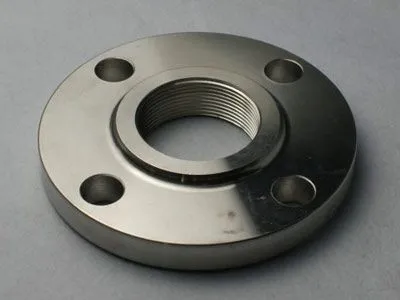
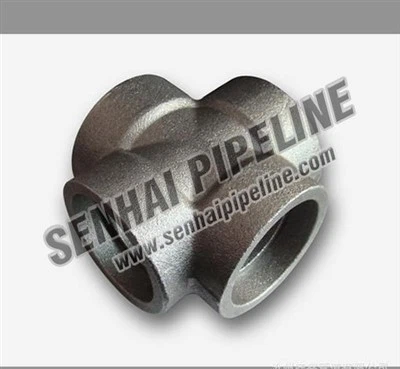
Introduction to Union
In the business context, "Union" can have multiple meanings. It often refers to the cooperation, alliance or integration among different enterprises, departments, or production units. A union factory usually combines different resources, technologies, and capabilities to achieve more efficient production, broader market access, and enhanced competitiveness. By forming unions, factories can share risks, reduce costs, and promote innovation through the exchange and combination of knowledge and resources.
Now, let's take a look at the top 10 union factories in the world.
1. Hebei Senhai Pipeline Co., Ltd.
Hebei Senhai Pipeline Co., Ltd. is a leading enterprise in the pipeline industry. It is committed to the research, development, production, and sales of various types of pipelines. The company has advanced production equipment and a high - quality R & D team.
The production line of Hebei Senhai Pipeline Co., Ltd. is highly automated, which ensures the high - precision and high - quality production of pipelines. The company adheres to strict quality control standards throughout the production process. From the selection of raw materials to the final product inspection, every step is carefully monitored to guarantee that the products meet or exceed international quality standards.
The company's product range is very wide, including seamless steel pipes, welded steel pipes, alloy pipes, and other special - purpose pipes. These pipes are widely used in many fields such as oil and gas transportation, construction, and mechanical engineering. In the field of oil and gas transportation, the company's high - strength and corrosion - resistant pipes can ensure the long - term stable operation of pipelines. In the construction industry, the products are used for building structures, providing strong support for high - rise buildings.
In terms of union, Hebei Senhai Pipeline Co., Ltd. actively cooperates with upstream raw material suppliers and downstream customers. By forming strategic partnerships with raw material suppliers, the company can ensure a stable supply of high - quality raw materials at a reasonable price. With downstream customers, it provides customized solutions according to their specific needs, which has enhanced customer satisfaction and loyalty.
The company's website is https://www.senhai-pipeline.com/, where customers can learn more about the company's products, services, and technical information.
2. Volkswagen Group
The Volkswagen Group is one of the world's largest automobile manufacturing companies. It has a long - standing history and a global reputation for quality and innovation. The company was founded in 1937 in Germany and has since grown into a multinational corporation with a presence in almost every corner of the world.
Volkswagen Group owns a wide range of well - known automobile brands, such as Volkswagen, Audi, Porsche, Lamborghini, and Bentley. Each brand has its own unique positioning and target market. For example, Volkswagen is known for its practical and affordable family cars. Audi focuses on luxury cars with high - tech features. Porsche is famous for its high - performance sports cars, and Lamborghini and Bentley represent the ultimate in luxury and exclusivity.
In terms of production, the Volkswagen Group has a highly integrated union system. It has a large number of production plants around the world, and these plants are interconnected in terms of technology sharing, component supply, and production planning. For example, some key components such as engines and transmissions are produced in specialized plants and then supplied to different assembly plants around the world. This union - based production model allows the company to achieve economies of scale, reduce production costs, and improve production efficiency.
The company also forms unions in research and development. It invests heavily in R & D in areas such as electric vehicles, autonomous driving, and digital connectivity. Different brands within the group share R & D resources and results, which accelerates the pace of technological innovation. For instance, the development of electric vehicle platforms is a joint effort across multiple brands, enabling them to quickly enter the growing electric vehicle market.
Another advantage of the Volkswagen Group is its strong global marketing and sales network. Through effective cooperation between different regions and brands, the company can understand local market needs and adapt its marketing strategies accordingly. It can also provide comprehensive after - sales services to customers around the world, which enhances brand image and customer loyalty.
3. Samsung Electronics
Samsung Electronics is a South Korean multinational conglomerate that is a leader in the global electronics industry. It was founded in 1969 and has since expanded into various fields, including consumer electronics, semiconductors, telecommunications equipment, and display panels.
In the consumer electronics sector, Samsung is well - known for its smartphones, tablets, TVs, and home appliances. Its smartphones are equipped with cutting - edge technologies such as high - resolution displays, powerful processors, and advanced camera systems. Samsung's TVs are also at the forefront of the industry in terms of picture quality, smart features, and design.
The semiconductor business of Samsung is a key part of its success. The company is one of the world's largest memory chip manufacturers, producing DRAM, NAND flash memory, and other semiconductor products. These chips are widely used in various electronic devices, from smartphones to data centers. Samsung's advanced semiconductor manufacturing technology, such as its high - end lithography processes, gives it a competitive edge in the global market.
In terms of union, Samsung has a vertical integration model. It not only manufactures end - user products but also produces many of the key components used in these products. For example, it produces its own display panels, processors, and memory chips. This vertical integration allows the company to have better control over the supply chain, ensure product quality, and reduce costs.
Samsung also forms strategic alliances with other companies in the industry. For example, it collaborates with software developers to optimize the user experience of its products. In the field of 5G technology, it partners with telecommunications carriers and equipment manufacturers to promote the development and deployment of 5G networks.
The company's advantage lies in its continuous investment in research and development. It spends a large amount of money on R & D every year to develop new technologies and products. This has enabled Samsung to stay ahead of the competition and maintain its leading position in the global electronics market.
4. Boeing
Boeing is an American multinational corporation that is a major player in the aerospace industry. It is one of the world's largest aircraft manufacturers, producing commercial airplanes, military aircraft, and space systems.
In the commercial airplane segment, Boeing's products such as the 737, 747, 777, and 787 are widely used by airlines around the world. The 737 is the best - selling commercial airliner in history, known for its reliability and fuel efficiency. The 787 Dreamliner is a revolutionary aircraft that uses advanced composite materials, which reduces weight and improves fuel economy, and provides a more comfortable flying experience for passengers.
In the military aircraft field, Boeing manufactures a variety of fighter jets, bombers, and transport aircraft. For example, the F/A - 18 Hornet is a well - known carrier - based fighter jet used by the United States Navy and many other countries' air forces.
Boeing has a complex union system in its production. It has a global supply chain, with thousands of suppliers around the world providing components and parts for its aircraft. These suppliers are carefully selected and managed to ensure the quality and timely delivery of components. Boeing also has a large number of in - house production facilities for key components and final assembly.
In terms of research and development, Boeing collaborates with universities, research institutions, and other aerospace companies. This union allows it to access the latest scientific research results and technological innovations. For example, in the field of aerospace materials research, Boeing works with leading universities to develop new lightweight and high - strength materials.
One of Boeing's advantages is its long - standing experience and reputation in the aerospace industry. It has a deep understanding of aircraft design, manufacturing, and operation. The company also invests heavily in safety research and development to ensure the highest level of safety for its aircraft, which is crucial in the aerospace industry.
5. Siemens
Siemens is a German multinational conglomerate that operates in various sectors, including energy, healthcare, industry, and infrastructure. It was founded in 1847 and has a long - history of innovation and technological leadership.
In the energy sector, Siemens is involved in power generation, transmission, and distribution. It produces a wide range of energy - related products, such as gas turbines, wind turbines, and power transformers. Siemens' gas turbines are known for their high efficiency and reliability, and are widely used in power plants around the world. In the wind energy field, the company is also a major player, with advanced turbine technology and large - scale wind farm projects.
In the healthcare sector, Siemens is a leading provider of medical imaging equipment, such as MRI scanners, CT scanners, and ultrasound machines. These devices use advanced imaging technologies to provide accurate diagnosis for patients. Siemens also offers healthcare IT solutions, which help hospitals and medical institutions manage patient information more efficiently.
In the industrial sector, Siemens provides automation and control systems for various industries, such as manufacturing, mining, and transportation. Its industrial automation products can improve production efficiency, quality, and flexibility.
Siemens forms unions in different ways. It has strategic partnerships with other companies in the same industry to jointly develop new technologies and products. For example, in the energy sector, it collaborates with oil and gas companies to develop more efficient energy extraction and processing technologies. It also has a strong internal union system, with different business units sharing knowledge, resources, and technologies.
One of the company's advantages is its strong focus on innovation. It invests a significant amount of money in R & D every year, and has a large number of patents and technological achievements. Siemens also has a global service network, which can provide customers with timely and high - quality after - sales services.
6. Toyota Motor Corporation
Toyota is a Japanese multinational automotive manufacturer that is famous for its high - quality, reliable, and fuel - efficient vehicles. It was founded in 1937 and has become one of the world's largest automobile companies.
Toyota's product range includes passenger cars, commercial vehicles, and hybrid vehicles. The Toyota Corolla is one of the best - selling cars in the world, known for its practicality, affordability, and low maintenance costs. Toyota's hybrid vehicles, such as the Prius, are pioneering in the field of hybrid technology, combining gasoline engines with electric motors to achieve better fuel efficiency and lower emissions.
In terms of production, Toyota has developed a unique production system called the Toyota Production System (TPS). The TPS emphasizes just - in - time production, continuous improvement, and quality control. Through a high - level of union between suppliers, production lines, and quality inspection teams, Toyota can minimize waste, improve production efficiency, and ensure the high quality of its products.
Toyota also has a strong R & D union. It collaborates with universities, research institutions, and other companies in the automotive industry. For example, in the field of autonomous driving technology, Toyota is working with technology companies and startups to develop advanced self - driving systems.
The company's advantage lies in its long - term commitment to quality and innovation. Toyota has a strict quality control system that ensures every vehicle meets high - quality standards. It also continuously invests in new technologies, such as electric vehicles, hydrogen fuel cell vehicles, and connected cars, to stay competitive in the global automotive market.
7. BASF SE
BASF is the largest chemical company in the world and is based in Germany. It was founded in 1865 and operates in a wide range of chemical sectors, including chemicals, plastics, performance products, agricultural solutions, and oil and gas.
In the chemicals segment, BASF produces a variety of basic chemicals, such as ammonia, methanol, and ethylene. These basic chemicals are the building blocks for many other industries, such as the plastics, pharmaceuticals, and textile industries.
The plastics business of BASF offers a wide range of high - performance plastics, such as polyamides, polyurethanes, and polycarbonates. These plastics are used in various applications, from automotive parts to consumer electronics.
BASF has a complex union system in its production and R & D. It has a global network of production plants, and these plants are integrated in terms of raw material supply, production planning, and product distribution. The company also forms partnerships with other chemical companies, research institutions, and universities. For example, in the field of sustainable chemistry, BASF collaborates with research institutions to develop more environmentally friendly chemical products and processes.
One of BASF's advantages is its strong R & D capabilities. It invests a large amount of money in R & D to develop new chemical products and technologies. The company also has a well - established global marketing and sales network, which allows it to quickly introduce new products to the market and meet the needs of customers around the world.
8. General Electric (GE)
General Electric is an American multinational conglomerate that has operations in multiple industries, including aviation, power, healthcare, and renewable energy. It was founded in 1892 and has a long - history of innovation and technological leadership.
In the aviation sector, GE is a major manufacturer of aircraft engines. Its engines are used in many commercial and military aircraft around the world. GE's engines are known for their high performance, reliability, and fuel efficiency. The company also provides engine maintenance, repair, and overhaul services.
In the power sector, GE is involved in power generation, transmission, and distribution. It produces a variety of power generation equipment, such as gas turbines, steam turbines, and wind turbines. GE's power solutions are used in power plants of different scales, from small - scale distributed generation to large - scale central power plants.
In the healthcare sector, GE is a leading provider of medical imaging equipment, patient monitoring systems, and healthcare IT solutions. Its medical imaging products, such as MRI scanners and CT scanners, are widely used in hospitals and medical institutions around the world.
GE forms unions in different ways. It has strategic partnerships with other companies in the same industry to jointly develop new technologies and products. For example, in the aviation sector, GE collaborates with aircraft manufacturers to develop more efficient and environmentally friendly aircraft engines. It also has a large - scale internal knowledge - sharing and collaboration system among different business units.
One of GE's advantages is its long - standing experience and technological expertise in multiple industries. The company has a large number of patents and technological achievements, and is committed to continuous innovation to meet the changing needs of the market.
9. Sony Corporation
Sony is a Japanese multinational conglomerate that is active in various fields, including electronics, gaming, entertainment, and financial services. It was founded in 1946 and has a global reputation for quality and innovation.
In the electronics sector, Sony is well - known for its televisions, cameras, audio equipment, and smartphones. Sony's TVs are known for their high - quality picture and sound, and are often at the forefront of the latest display technologies. Its cameras, both digital still cameras and camcorders, are popular among photographers and videographers for their excellent image quality and advanced features.
The gaming business of Sony is also very successful. The PlayStation console series is one of the most popular gaming consoles in the world, with a large number of exclusive game titles. Sony also has a strong position in the entertainment industry, through its music and movie production companies.
Sony forms unions in different aspects. In the electronics field, it has partnerships with component suppliers and software developers to ensure the high - quality and high - performance of its products. In the gaming industry, it collaborates with game developers to create new and exciting game titles. In the entertainment industry, it has joint - ventures and partnerships with other media companies.
One of Sony's advantages is its brand image and customer loyalty. The company has a long - standing reputation for producing high - quality and innovative products, which has attracted a large number of loyal customers around the world. It also continuously invests in R & D to develop new technologies and products, such as virtual reality and artificial intelligence technologies.
10. LG Corporation
LG Corporation is a South Korean multinational conglomerate that operates in various industries, including electronics, chemicals, and telecommunications. It was founded in 1947 and has grown into a global company with a wide range of products and services.
In the electronics sector, LG is known for its TVs, smartphones, home appliances, and display panels. LG's OLED TVs are at the forefront of the TV industry, offering superior picture quality and thin - screen design. Its smartphones are also equipped with advanced features and technologies, and are popular in some markets.
The chemical business of LG produces a variety of chemical products, such as plastics, synthetic rubbers, and electronic materials. These chemicals are used in many industries, including electronics, automotive, and construction.
LG has a union - based business model. It has strong internal collaboration among different business units. For example, the electronics business unit can use the chemical products developed by the chemical business unit. LG also forms strategic partnerships with other companies in the industry. In the display panel field, it collaborates with other panel manufacturers and technology companies to develop new display technologies.
One of LG's advantages is its ability to adapt to market changes quickly. The company is constantly innovating and launching new products to meet the changing needs of consumers. It also has a strong global marketing and sales network, which allows it to promote its products in different markets around the world.
Conclusion
The above - mentioned top 10 union factories in the world represent different industries and have their own unique features and advantages. Through various forms of union, such as strategic partnerships, vertical integration, and internal collaboration, these companies can achieve resource sharing, cost reduction, and innovation promotion.
Hebei Senhai Pipeline Co., Ltd. shows how a specialized enterprise in the pipeline industry can form unions with suppliers and customers to ensure product quality and market competitiveness. Global giants like Volkswagen Group, Samsung Electronics, and Boeing demonstrate the power of large - scale, multi - brand, and multi - technology unions in achieving economies of scale, technological leadership, and global market penetration.
These companies' success stories also highlight the importance of continuous investment in research and development, quality control, and customer - centric strategies. In the future, as the global market becomes more competitive and the pace of technological change accelerates, these union factories will continue to adapt, innovate, and play an important role in the global economic landscape.