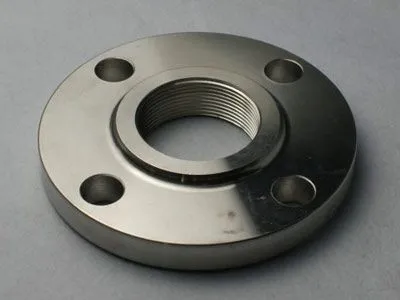
As a seasoned supplier of blind flanges, I've witnessed firsthand the critical role these components play in ensuring the integrity of various piping systems. The sealing performance of a blind flange is not just a technical detail; it's a cornerstone of safety, efficiency, and reliability in industries ranging from oil and gas to water treatment. In this blog, I'll share some valuable insights on how to enhance the sealing performance of a blind flange, drawing from my years of experience in the field.
Understanding the Basics of Blind Flange Sealing
Before delving into the strategies for improving sealing performance, it's essential to understand the basic principles behind blind flange sealing. A blind flange is a solid disk used to close the end of a pipe, valve, or vessel. The sealing process involves creating a tight and leak - proof connection between the flange and the mating surface. This is typically achieved through the use of gaskets, bolts, and proper installation techniques.
The gasket is a key element in the sealing system. It fills the microscopic irregularities between the flange faces, preventing the escape of fluids or gases. The type of gasket used depends on several factors, including the operating temperature, pressure, and the nature of the fluid or gas being contained.
Selecting the Right Gasket
One of the most crucial steps in improving the sealing performance of a blind flange is selecting the appropriate gasket. There are several types of gaskets available, each with its own set of properties and applications.
Compressed Non - Asbestos Fiber (CNAF) Gaskets
These gaskets are made from a blend of synthetic fibers and elastomers. They are suitable for a wide range of applications, including low - to medium - pressure and temperature systems. CNAF gaskets are cost - effective and offer good chemical resistance, making them a popular choice in many industries.
Metal Jacketed Gaskets
Metal jacketed gaskets consist of a soft filler material, such as graphite or PTFE, surrounded by a metal jacket. They are designed to withstand high pressures and temperatures, making them ideal for applications in the oil and gas, chemical, and power generation industries. The metal jacket provides strength and durability, while the filler material ensures a good seal.
Spiral Wound Gaskets
Spiral wound gaskets are made by winding a V - shaped metal strip and a filler material, such as graphite or PTFE, together in a spiral pattern. They offer excellent sealing performance under high pressures and temperatures and are commonly used in applications where a reliable seal is critical, such as in refineries and petrochemical plants.

When selecting a gasket, it's important to consider the specific requirements of your application, including the operating conditions, the type of fluid or gas being contained, and the flange design.
Proper Flange Surface Preparation
The condition of the flange surface has a significant impact on the sealing performance of a blind flange. Before installing a gasket, the flange faces must be properly prepared to ensure a smooth and clean surface.
Cleaning
The flange faces should be thoroughly cleaned to remove any dirt, rust, paint, or other contaminants. This can be done using a wire brush, solvent, or a specialized cleaning solution. It's important to ensure that the cleaning process does not damage the flange surface.
Machining
If the flange faces are damaged or have uneven surfaces, they may need to be machined to restore their smoothness. Machining can be done using a lathe or a milling machine, depending on the severity of the damage. The machined surface should have a proper finish to ensure a good seal with the gasket.
Flatness
The flange faces must be flat within a specified tolerance. Any deviation from flatness can cause uneven gasket compression, leading to leaks. A straightedge or a precision measuring tool can be used to check the flatness of the flange faces.
Correct Bolt Tightening Procedures
Proper bolt tightening is essential for achieving a good seal with a blind flange. Over - tightening or under - tightening the bolts can lead to gasket failure and leaks.
Torque Specification
Each flange and gasket combination has a specific torque specification that must be followed. The torque specification takes into account factors such as the size and grade of the bolts, the type of gasket, and the operating conditions. A torque wrench should be used to ensure that the bolts are tightened to the correct torque.
Sequential Tightening
The bolts should be tightened in a sequential pattern to ensure even gasket compression. This typically involves starting with the bolts opposite each other and gradually working around the flange in a circular pattern. Sequential tightening helps to distribute the load evenly across the gasket, preventing uneven compression and leaks.
Re - Tightening
After the system has been in operation for a short period, the bolts should be re - tightened to compensate for any gasket relaxation or creep. Re - tightening is especially important in applications where the system is subject to high pressures or temperature fluctuations.
Considering Flange Design and Materials
The design and material of the blind flange can also affect its sealing performance.
Flange Design
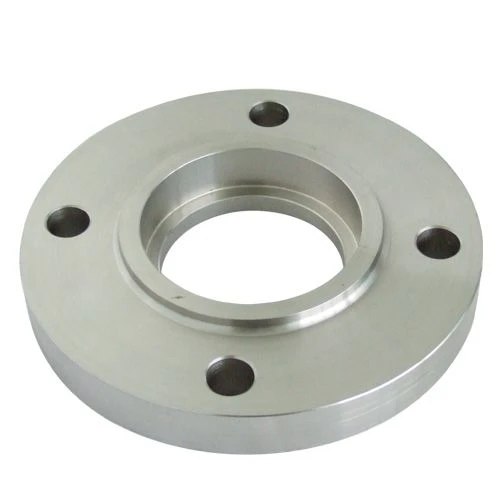
There are different types of flange designs available, such as Long Welding Neck Flange, Lap Joint Flange, and Socket Welding Flange. Each design has its own advantages and disadvantages in terms of sealing performance. For example, long welding neck flanges provide better alignment and stress distribution, which can improve the sealing performance in high - pressure applications.
Flange Materials
The material of the flange should be compatible with the fluid or gas being contained and the operating conditions. Common flange materials include carbon steel, stainless steel, and alloy steel. The choice of material depends on factors such as corrosion resistance, strength, and temperature resistance.
Quality Control and Inspection
Quality control and inspection are essential steps in ensuring the sealing performance of a blind flange. Before installation, the flanges and gaskets should be inspected for any defects or damage. This includes checking the dimensions, surface finish, and material quality.
During installation, the installation process should be monitored to ensure that all the procedures are followed correctly. After installation, a pressure test should be conducted to verify the integrity of the seal. Any leaks or issues should be addressed immediately to prevent further problems.
Conclusion
Improving the sealing performance of a blind flange requires a comprehensive approach that includes selecting the right gasket, proper flange surface preparation, correct bolt tightening procedures, considering flange design and materials, and implementing quality control and inspection measures. By following these guidelines, you can ensure a reliable and leak - proof seal, which is essential for the safe and efficient operation of your piping system.
If you're in the market for high - quality blind flanges or need more information on improving sealing performance, I encourage you to reach out for a procurement discussion. We have a wide range of products and solutions to meet your specific needs.
References
- API Standard 605, "Large - Diameter Carbon Steel Flanges"
- ASME B16.5, "Pipe Flanges and Flanged Fittings"
- ASTM Standards for Flange Materials