In the realm of industrial piping systems, the choice of flanges plays a crucial role in ensuring the system's efficiency, safety, and durability. Among the various types of flanges available, Slip On Flanges are a popular option, especially when considering low - pressure systems. As a Slip On Flange supplier, I've had the opportunity to witness firsthand their application and performance in numerous low - pressure setups. In this blog, I'll delve into whether Slip On Flanges are truly suitable for low - pressure systems, exploring their features, advantages, limitations, and real - world applications.
Features of Slip On Flanges
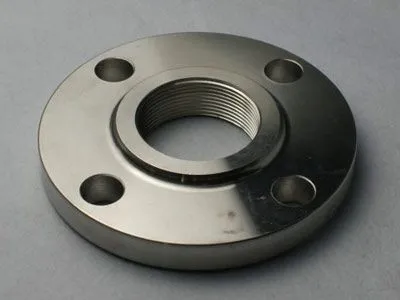
Slip On Flanges, as the name suggests, are designed to slip over the end of a pipe. They have a slightly larger inner diameter than the outer diameter of the pipe, allowing for easy installation. These flanges are typically attached to the pipe by welding on both the inside and outside of the flange.
One of the key features of Slip On Flanges is their relatively simple design. This simplicity not only makes them cost - effective to manufacture but also easy to install. The lack of complex geometries means that they can be quickly welded to the pipe, reducing installation time and labor costs.
Another notable feature is their versatility. Slip On Flanges can be used with a variety of pipe materials, including carbon steel, stainless steel, and alloy steel. They are also available in different sizes and pressure ratings, making them suitable for a wide range of applications. For example, they can be used in conjunction with ERW Pipes or Large Size Spiral Welded Pipe depending on the specific requirements of the system.
Advantages of Slip On Flanges in Low - Pressure Systems
Cost - Efficiency
Cost is often a significant factor when selecting components for a low - pressure system. Slip On Flanges are generally more affordable than other types of flanges, such as Weld Neck Flanges. Their simple design and ease of manufacturing result in lower production costs, which are then passed on to the customers. For small - scale low - pressure systems or projects with budget constraints, Slip On Flanges offer an economical solution without compromising on quality.
Ease of Installation
In low - pressure systems, installation time can be a critical consideration. Slip On Flanges are incredibly easy to install. Since they simply slip over the pipe, the alignment process is straightforward. Welding is also less complex compared to other flanges, as it mainly involves fillet welding on the inside and outside of the flange. This ease of installation can save a significant amount of time and labor, especially in large - scale projects where multiple flanges need to be installed.
Flexibility
Low - pressure systems may require modifications or expansions over time. Slip On Flanges offer a high degree of flexibility in this regard. They can be easily removed and reinstalled if needed, allowing for system upgrades or repairs. This flexibility is particularly valuable in industries where changes in production processes or system requirements are common.
Good Sealing Performance
In low - pressure applications, maintaining a proper seal is essential to prevent leaks. Slip On Flanges, when properly installed and welded, can provide a reliable seal. The double - sided welding helps to secure the flange to the pipe, reducing the risk of leakage. Additionally, the use of appropriate gaskets further enhances the sealing performance of the flange connection.
Limitations of Slip On Flanges in Low - Pressure Systems
Lower Structural Strength
Compared to some other types of flanges, such as Weld Neck Flanges, Slip On Flanges have relatively lower structural strength. In low - pressure systems, this may not be a significant issue under normal operating conditions. However, in situations where the system may be subjected to occasional high - pressure spikes or vibrations, the lower strength of Slip On Flanges could potentially lead to flange failure. For example, in a low - pressure water distribution system that experiences sudden pressure surges due to valve closures, the Slip On Flanges may be more prone to damage compared to stronger flanges.
Limited Resistance to High Temperatures
Slip On Flanges may have limitations when it comes to high - temperature applications. The welding process used to attach the flange to the pipe can affect the material properties of the flange, reducing its resistance to high temperatures. In low - pressure systems that operate at relatively high temperatures, such as some industrial heating systems, the use of Slip On Flanges may not be ideal. Over time, the flange may experience deformation or cracking, leading to leaks and potential system failures.
Real - World Applications of Slip On Flanges in Low - Pressure Systems
Water Distribution Systems
Slip On Flanges are commonly used in low - pressure water distribution systems. These systems typically operate at relatively low pressures, and the cost - efficiency and ease of installation of Slip On Flanges make them an attractive option. For example, in municipal water supply networks, Slip On Flanges can be used to connect different sections of pipes, allowing for easy maintenance and expansion of the system.
HVAC Systems
Heating, ventilation, and air - conditioning (HVAC) systems often operate at low pressures. Slip On Flanges are widely used in these systems to connect pipes carrying air, water, or refrigerant. Their flexibility and good sealing performance make them suitable for the dynamic nature of HVAC systems, which may require adjustments and repairs over time.
Drainage Systems
In low - pressure drainage systems, Slip On Flanges are a popular choice. They can be used to connect pipes in residential, commercial, and industrial drainage setups. The simplicity of installation and the ability to provide a reliable seal make them well - suited for these applications, where preventing leaks is crucial to avoid water damage and environmental pollution.
Conclusion
In conclusion, Slip On Flanges are generally well - suited for low - pressure systems. Their cost - efficiency, ease of installation, flexibility, and good sealing performance make them a practical choice for many low - pressure applications, such as water distribution, HVAC, and drainage systems. However, it's important to be aware of their limitations, such as lower structural strength and limited resistance to high temperatures.
As a Slip On Flange supplier, I understand the importance of providing high - quality products that meet the specific needs of our customers. If you're considering using Slip On Flanges for your low - pressure system, I encourage you to contact us to discuss your requirements. Our team of experts can provide you with detailed information about our products, including their specifications, performance, and pricing. We're committed to helping you make the right choice for your project and ensuring the long - term success of your piping system.


References
- ASME B16.5: Pipe Flanges and Flanged Fittings
- API 6A: Specification for Wellhead and Christmas Tree Equipment
- ISO 7005: Metallic Flanges - Part 1: Steel Flanges