Hey there! As a supplier of LSAW steel pipes, I've seen firsthand the importance of ensuring the safety of LSAW steel pipe installation. It's not just about getting the job done; it's about making sure everything is safe and secure. In this blog, I'll share some tips on how to ensure the safety of LSAW steel pipe installation.
Pre - installation Preparation
Before you even start installing LSAW steel pipes, there are a bunch of things you need to do. First off, you gotta have a detailed plan. Know exactly where the pipes are going to be installed, what the layout is, and what kind of environment they'll be in. This helps you anticipate any potential problems.
For example, if the pipes are going to be installed in an area with a lot of moisture, you need to make sure the pipes are properly coated to prevent corrosion. And if they're going in an area with high traffic or heavy machinery, you'll need to take extra precautions to protect the pipes from damage.
Another crucial part of pre - installation is inspecting the pipes. Check for any visible defects like cracks, dents, or uneven surfaces. I've seen too many cases where a small defect led to big problems down the line. Make sure the pipes meet all the required standards. You can refer to some industry - standard resources like the ones on Welded Pipe Astm for more detailed information on what to look for.
Handling and Transportation
Once you've got your inspection done, it's time to move the pipes to the installation site. Handling and transportation are super important steps. You don't want to damage the pipes during this process.
When lifting the pipes, use proper equipment. Don't just try to man - handle them. Cranes or forklifts with the right attachments are the way to go. Make sure the lifting points are correctly positioned to avoid putting too much stress on one part of the pipe.
During transportation, secure the pipes properly. You don't want them shifting around and getting damaged. Use straps or chains to hold them in place. And if you're transporting a large number of pipes, make sure they're stacked in a stable way.
Installation Process
Now, let's talk about the actual installation. This is where a lot of things can go wrong if you're not careful.


One of the most important things is alignment. The pipes need to be aligned correctly. Even a small misalignment can cause problems later on, like leaks or excessive stress on the joints. Use alignment tools to make sure everything is in place.
Welding is a critical part of LSAW steel pipe installation. The welds need to be of high quality. Make sure the welders are properly trained and certified. They should follow all the welding procedures and use the right welding materials. You can find more about welding standards for pipes on Welded Pipe Api 5l.
After welding, it's essential to inspect the welds. Non - destructive testing methods like ultrasonic testing or radiographic testing can be used to check for any internal defects in the welds.
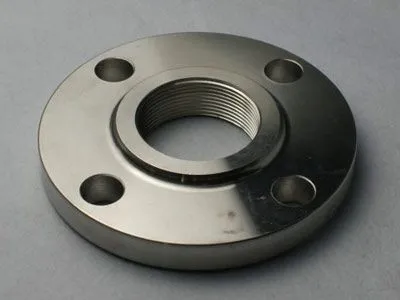
When it comes to connecting the pipes, use the right fittings. Whether it's flanges, couplings, or other types of connectors, make sure they're the correct size and type for the pipes. Tighten the connections properly, but don't over - tighten them as it can damage the pipes or the fittings.
Safety Measures for Workers
The safety of the workers is just as important as the safety of the installation itself. Provide proper safety gear to all the workers involved in the installation. This includes hard hats, safety glasses, gloves, and steel - toed boots.
Make sure the workers are trained on how to use the equipment safely. For example, if they're using welding equipment, they should know how to handle it to avoid electric shocks or burns. Provide regular safety training sessions to keep everyone up - to - date on the latest safety procedures.
The work area should be well - lit and free of hazards. Remove any debris or obstacles that could cause someone to trip or fall. And if there are any hazardous substances around, make sure they're properly labeled and stored.
Post - installation Checks
Once the installation is complete, don't just walk away. You need to do a thorough post - installation check.
Check for any leaks. You can use pressure testing to detect leaks in the pipes. If there are any leaks, fix them immediately. Even a small leak can lead to big problems over time, like water damage or loss of pressure in a pipeline.
Inspect the overall structure of the installed pipes. Make sure they're still properly aligned and that there are no signs of excessive stress or movement. Check the welds and connections again to make sure they're holding up.
If the pipes are going to be used for a specific purpose, like transporting oil or gas, make sure they meet all the operational requirements. You can refer to resources like Welded Casing Pipe for more information on the specific requirements for different types of applications.
Maintenance and Monitoring
After the installation and post - installation checks, the work doesn't stop there. You need to have a regular maintenance and monitoring plan.
Schedule regular inspections of the pipes. Check for signs of corrosion, wear and tear, or any other issues. Depending on the environment and the usage of the pipes, the inspection frequency may vary.
Implement a monitoring system. This could include sensors to detect changes in pressure, temperature, or other parameters. If there are any abnormal readings, it could be a sign of a problem that needs to be addressed.
In conclusion, ensuring the safety of LSAW steel pipe installation is a multi - step process that requires careful planning, proper execution, and continuous monitoring. By following these tips, you can minimize the risks and ensure a successful installation.
If you're in the market for high - quality LSAW steel pipes or need more advice on installation safety, feel free to reach out. We're here to help you with all your LSAW steel pipe needs.
References
- Industry standards for LSAW steel pipes
- Welding procedure guidelines
- Safety regulations for construction and pipe installation