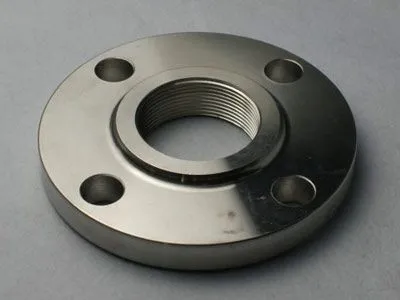
Over the centuries, the industrial landscape has witnessed remarkable transformations, and welding neck flanges have been an integral part of this evolution. As a leading supplier of welding neck flanges, I have witnessed firsthand how these essential components have adapted to the changing needs of various industries. In this blog, I will take you on a journey through time to explore the evolution of welding neck flanges, from their humble beginnings to their modern-day applications.
Early Origins
The concept of flanges can be traced back to ancient times when they were used in simple plumbing systems to connect pipes. These early flanges were rudimentary, often made of wood or stone, and were secured together using ropes or metal bands. However, it wasn't until the Industrial Revolution in the 18th and 19th centuries that the demand for more reliable and efficient pipe connections led to the development of modern welding neck flanges.
During this period, the rapid expansion of industries such as oil, gas, and manufacturing created a need for stronger and more durable flanges that could withstand high pressures and temperatures. Welding neck flanges emerged as a solution to these challenges, offering a superior alternative to traditional flanged connections. Their design, which features a long tapered neck that is welded to the pipe, provides excellent structural integrity and resistance to bending and vibration.
Technological Advancements
The 20th century marked a significant turning point in the evolution of welding neck flanges, as advancements in materials science and manufacturing technologies led to the development of more sophisticated and high-performance products. The introduction of new alloys, such as stainless steel and nickel-based alloys, revolutionized the industry by offering improved corrosion resistance, strength, and durability.
In addition to materials advancements, the development of new welding techniques, such as gas tungsten arc welding (GTAW) and shielded metal arc welding (SMAW), further enhanced the quality and reliability of welding neck flanges. These techniques allowed for more precise and consistent welds, reducing the risk of leaks and failures.
Another significant technological advancement was the introduction of computer-aided design (CAD) and computer-aided manufacturing (CAM) systems. These technologies enabled manufacturers to design and produce welding neck flanges with greater precision and efficiency, resulting in higher quality products and shorter lead times.
Industry Standards and Regulations
As welding neck flanges became more widely used in critical applications, the need for standardized design and manufacturing practices became increasingly apparent. In response to this need, various industry standards and regulations were developed to ensure the safety and reliability of these components.
One of the most widely recognized standards for welding neck flanges is the American National Standards Institute (ANSI) B16.5 standard, which specifies the dimensions, materials, and pressure ratings for flanges used in piping systems. Other international standards, such as the International Organization for Standardization (ISO) and the European Committee for Standardization (CEN), also provide guidelines for the design and manufacture of welding neck flanges.
Compliance with these standards is essential for ensuring the quality and performance of welding neck flanges, as well as for meeting the requirements of regulatory authorities. As a supplier, we are committed to adhering to these standards and regulations to provide our customers with products that meet the highest quality and safety standards.
Modern Applications
Today, welding neck flanges are used in a wide range of industries and applications, including oil and gas, chemical processing, power generation, and water treatment. Their unique design and properties make them ideal for use in high-pressure and high-temperature environments, where reliability and safety are of utmost importance.
In the oil and gas industry, welding neck flanges are used in pipelines, refineries, and offshore platforms to connect pipes and equipment. They are also used in the chemical processing industry to handle corrosive and hazardous chemicals, and in the power generation industry to connect boilers, turbines, and other equipment.
In addition to their traditional applications, welding neck flanges are also being used in emerging industries such as renewable energy and biotechnology. For example, they are used in solar power plants to connect pipes and equipment, and in biopharmaceutical manufacturing to handle sterile and sensitive materials.
Future Trends
Looking ahead, the future of welding neck flanges looks promising, as new technologies and materials continue to emerge. One of the key trends in the industry is the development of lightweight and high-strength materials, such as composites and advanced alloys, which offer improved performance and reduced weight.
Another trend is the increasing use of automation and robotics in the manufacturing process, which can improve efficiency, quality, and consistency. This trend is particularly important in the context of the growing demand for welding neck flanges in emerging markets, where labor costs are rising and there is a need for more efficient and cost-effective manufacturing solutions.
Finally, the trend towards sustainability and environmental responsibility is also likely to have an impact on the welding neck flange industry. As companies seek to reduce their carbon footprint and minimize their environmental impact, there will be a growing demand for products that are made from sustainable materials and manufactured using environmentally friendly processes.
Conclusion
In conclusion, the evolution of welding neck flanges over time has been a fascinating journey, driven by technological advancements, industry standards, and changing market needs. As a supplier, we are proud to be a part of this evolution, and we are committed to providing our customers with the highest quality products and services.
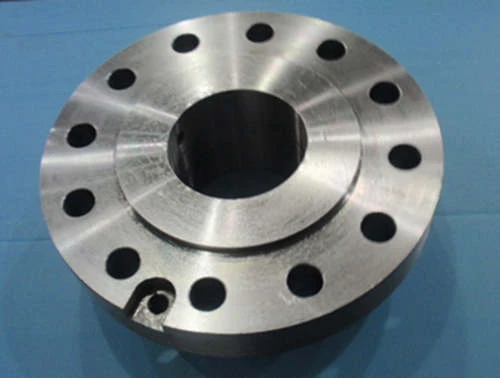
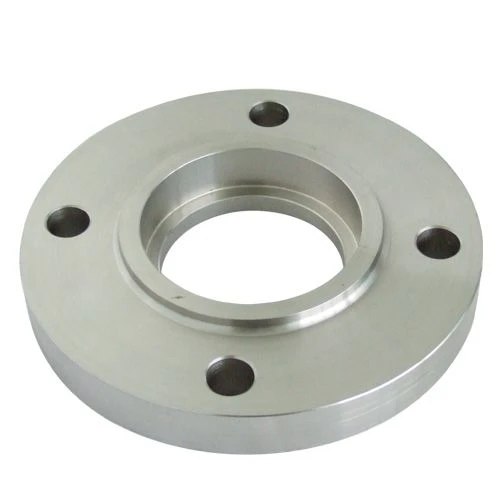
If you are in need of welding neck flanges for your next project, or if you have any questions or concerns about our products, please do not hesitate to contact us. We would be happy to discuss your requirements and provide you with a customized solution that meets your needs and budget.
References
- American National Standards Institute (ANSI) B16.5 Standard
- International Organization for Standardization (ISO) Standards
- European Committee for Standardization (CEN) Standards