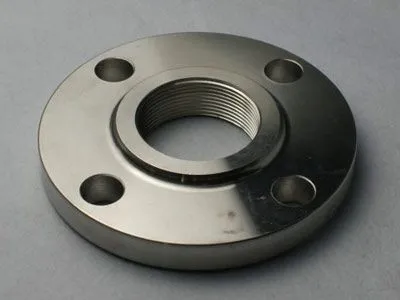
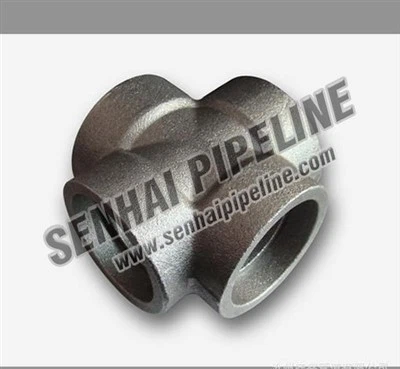
Hey there! I'm a supplier of Forged Couplings, and I often get asked about the proper way to store these products. In this blog, I'll share some tips on how to store forged couplings properly to ensure their quality and longevity.
First off, let's talk about why proper storage is so important. Forged couplings are precision - made components that are used in various piping systems. If they're not stored correctly, they can get damaged, corroded, or deformed, which will affect their performance and functionality.
1. Clean the Couplings Before Storage
Before you put your forged couplings into storage, it's crucial to clean them thoroughly. Dirt, grease, and other contaminants can cause corrosion over time. You can use a mild detergent and a soft brush to clean the surfaces of the couplings. Rinse them with clean water and dry them completely. This step helps to remove any debris that could potentially lead to rust or other forms of damage.
2. Choose the Right Storage Location
The storage location plays a huge role in maintaining the quality of forged couplings. You want to find a place that is dry, well - ventilated, and away from direct sunlight. Moisture is the enemy of metal products like forged couplings. High humidity can lead to rust and corrosion. A storage room with a dehumidifier is an ideal choice. Also, avoid areas where there are chemicals or other substances that could react with the metal of the couplings.
3. Use Appropriate Packaging
Proper packaging is essential for protecting forged couplings during storage. You can use individual plastic bags or wrapping materials to isolate each coupling. This helps to prevent scratches and other physical damages that could occur if the couplings rub against each other. If you're storing a large quantity of couplings, you can use wooden crates or metal containers. Make sure to line the containers with a soft material to cushion the couplings.
4. Organize the Storage
Organizing your storage space is not only about making it look neat but also about ensuring easy access and inventory management. You can group the couplings by size, type, or any other relevant criteria. Label each storage area clearly so that you can quickly find the couplings you need. This also helps to prevent misplacement and loss of products.
5. Protect Against Corrosion
Even in a dry environment, there's still a risk of corrosion. You can apply a thin layer of anti - corrosion oil or coating on the surface of the couplings. This acts as a barrier between the metal and the surrounding air, preventing oxidation. There are many types of anti - corrosion products available in the market. Choose one that is suitable for the material of your forged couplings.


6. Regular Inspections
Don't just store the couplings and forget about them. Regular inspections are necessary to catch any potential problems early. Check for signs of rust, damage, or deformation on a monthly or quarterly basis. If you notice any issues, take appropriate action immediately, such as cleaning, re - coating, or replacing the damaged couplings.
7. Consider the Compatibility with Other Products
If you're storing other pipe fittings along with the forged couplings, make sure they are compatible. For example, Union and Swage Nipples should be stored in a way that they don't cause damage to the couplings. Some metals may react with each other, so it's important to separate them if necessary.
8. Temperature Control
Extreme temperatures can also affect the quality of forged couplings. Avoid storing them in areas where the temperature fluctuates wildly. High temperatures can cause the metal to expand and contract, which may lead to internal stresses and potential cracking. On the other hand, very low temperatures can make the metal brittle. Try to maintain a relatively stable temperature in the storage area.
9. Handling During Storage
When moving or handling the stored couplings, be gentle. Use proper lifting equipment if needed. Rough handling can cause dents, scratches, or other damages. Make sure to follow the correct procedures for lifting and moving the couplings to avoid any accidents or product damage.
10. Documentation
Keep detailed records of the storage conditions, inspection results, and any actions taken. This documentation can be very useful for quality control and future reference. It also helps to demonstrate compliance with industry standards and regulations.
In conclusion, proper storage of forged couplings is a multi - step process that requires attention to detail. By following these tips, you can ensure that your Forged Couplings remain in top - notch condition for a long time.
If you're in the market for high - quality forged couplings, I'd love to have a chat with you. Whether you have questions about storage, installation, or any other aspect of these products, I'm here to help. Reach out to start a conversation about your specific needs and let's work together to find the best solutions for your projects.
References:
- General industry knowledge on metal product storage
- Best practices for pipe fitting storage from industry experts