

Forged plugs are essential components in various industrial applications, serving as reliable closures for pipes, valves, and other equipment. As a trusted forged plugs supplier, we understand the importance of adhering to strict quality standards to ensure the performance, safety, and longevity of our products. In this blog post, we will explore the key quality standards that forged plugs meet, highlighting the factors that contribute to their excellence and reliability.
Material Quality
The quality of the material used in forged plugs is fundamental to their performance and durability. We source high-grade materials from reputable suppliers, ensuring that they meet or exceed industry standards. Common materials used for forged plugs include carbon steel, stainless steel, alloy steel, and nickel alloys, each offering unique properties suitable for different applications.
Carbon steel forged plugs are widely used due to their excellent strength, affordability, and versatility. They are suitable for a variety of industrial applications, including oil and gas, chemical processing, and power generation. Stainless steel forged plugs, on the other hand, are known for their corrosion resistance, making them ideal for applications where exposure to harsh chemicals or environments is a concern. Alloy steel and nickel alloy forged plugs offer enhanced strength, heat resistance, and corrosion resistance, making them suitable for high-temperature and high-pressure applications.
Manufacturing Process
The manufacturing process of forged plugs plays a crucial role in determining their quality and performance. We employ advanced forging techniques and state-of-the-art equipment to ensure the precision and consistency of our products. The forging process involves heating the raw material to a specific temperature and then applying pressure to shape it into the desired form. This process enhances the mechanical properties of the material, such as strength, toughness, and ductility, making the forged plugs more resistant to wear, fatigue, and corrosion.
After the forging process, the forged plugs undergo a series of machining operations to achieve the required dimensions and surface finish. These operations include turning, milling, drilling, and threading, which are performed using computer numerical control (CNC) machines to ensure accuracy and repeatability. The final step in the manufacturing process is the heat treatment, which further enhances the mechanical properties of the forged plugs and relieves any internal stresses.
Dimensional Accuracy
Dimensional accuracy is critical for forged plugs to ensure proper fit and function in their intended applications. We adhere to strict dimensional tolerances specified by industry standards, such as the American National Standards Institute (ANSI) and the American Society of Mechanical Engineers (ASME). These standards define the allowable variations in dimensions, such as diameter, length, and thread pitch, to ensure interchangeability and compatibility with other components.
To ensure dimensional accuracy, we use advanced measuring equipment, such as coordinate measuring machines (CMMs) and optical comparators, to verify the dimensions of the forged plugs at various stages of the manufacturing process. Our quality control team also performs visual inspections to check for any surface defects, such as cracks, porosity, or roughness, which could affect the performance and reliability of the forged plugs.
Pressure and Temperature Ratings
Forged plugs are designed to withstand specific pressure and temperature conditions in their intended applications. We specify the pressure and temperature ratings of our forged plugs based on industry standards and customer requirements. These ratings indicate the maximum pressure and temperature that the forged plugs can safely withstand without experiencing failure or leakage.
The pressure and temperature ratings of forged plugs are determined by several factors, including the material properties, the design of the plug, and the manufacturing process. We use advanced engineering calculations and testing methods to ensure that our forged plugs meet or exceed the specified pressure and temperature ratings. Our quality control team also performs pressure testing and temperature cycling tests to verify the performance of the forged plugs under simulated operating conditions.
Corrosion Resistance
Corrosion is a major concern in many industrial applications, as it can lead to the degradation of materials and the failure of equipment. Forged plugs are often exposed to corrosive environments, such as chemicals, saltwater, and high humidity, which can cause corrosion and reduce their lifespan. To ensure the corrosion resistance of our forged plugs, we use high-quality materials and apply appropriate surface treatments.
Stainless steel forged plugs are inherently corrosion-resistant due to the presence of chromium, which forms a protective oxide layer on the surface of the material. This oxide layer prevents the penetration of oxygen and other corrosive agents, thereby protecting the underlying metal from corrosion. In addition to using stainless steel, we also offer forged plugs made from other corrosion-resistant materials, such as nickel alloys and titanium.
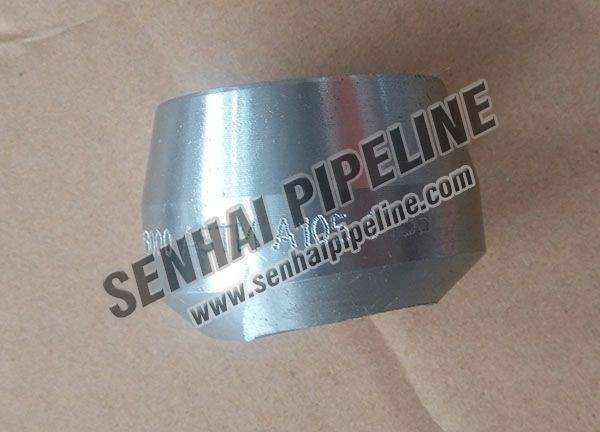

For applications where additional corrosion protection is required, we apply surface treatments, such as plating, coating, or painting, to the forged plugs. These surface treatments provide an extra layer of protection against corrosion and extend the lifespan of the forged plugs. Our quality control team also performs corrosion testing to verify the effectiveness of the surface treatments and ensure that the forged plugs meet the specified corrosion resistance requirements.
Testing and Inspection
To ensure the quality and reliability of our forged plugs, we perform a comprehensive range of testing and inspection procedures at various stages of the manufacturing process. These procedures include material testing, dimensional inspection, pressure testing, and non-destructive testing (NDT).
Material testing is performed to verify the chemical composition and mechanical properties of the raw materials used in the forged plugs. This testing includes spectroscopic analysis, tensile testing, hardness testing, and impact testing, which are performed in accordance with industry standards. Dimensional inspection is performed to ensure that the forged plugs meet the specified dimensions and tolerances. This inspection includes visual inspection, measuring with precision instruments, and using CMMs.
Pressure testing is performed to verify the pressure and temperature ratings of the forged plugs. This testing involves subjecting the forged plugs to a specified pressure and temperature for a specified period of time and monitoring for any signs of leakage or failure. NDT is performed to detect any internal defects, such as cracks, porosity, or inclusions, in the forged plugs. This testing includes ultrasonic testing, magnetic particle testing, and liquid penetrant testing, which are performed in accordance with industry standards.
Compliance with Standards
We are committed to ensuring that our forged plugs meet or exceed all relevant industry standards and regulations. Our products are manufactured in accordance with the latest editions of ANSI, ASME, and other international standards, such as the International Organization for Standardization (ISO) and the European Committee for Standardization (CEN). These standards define the requirements for the design, manufacture, testing, and inspection of forged plugs, ensuring their quality, safety, and reliability.
In addition to complying with industry standards, we also maintain a quality management system that is certified to ISO 9001:2015. This certification demonstrates our commitment to quality and continuous improvement, and it provides our customers with the assurance that our products are manufactured in accordance with the highest standards of quality and reliability.
Applications of Forged Plugs
Forged plugs are used in a wide range of industrial applications, including oil and gas, chemical processing, power generation, and water treatment. In the oil and gas industry, forged plugs are used to close off pipelines, valves, and other equipment during maintenance, repair, and testing operations. They are also used in wellheads, Christmas trees, and other critical components to ensure the safety and integrity of the oil and gas production process.
In the chemical processing industry, forged plugs are used to close off pipelines, reactors, and other equipment that handle corrosive chemicals and high-pressure fluids. They are also used in pumps, valves, and other equipment to prevent leakage and ensure the safe operation of the chemical processing plant.
In the power generation industry, forged plugs are used to close off pipelines, boilers, and other equipment that handle high-temperature and high-pressure steam and water. They are also used in turbines, generators, and other equipment to ensure the efficient and reliable operation of the power generation plant.
In the water treatment industry, forged plugs are used to close off pipelines, valves, and other equipment that handle water and wastewater. They are also used in pumps, filters, and other equipment to prevent leakage and ensure the safe and efficient operation of the water treatment plant.
Conclusion
As a forged plugs supplier, we are committed to providing our customers with high-quality products that meet or exceed their expectations. Our forged plugs are manufactured using advanced forging techniques, high-grade materials, and strict quality control procedures to ensure their performance, safety, and reliability. We adhere to all relevant industry standards and regulations, and we maintain a quality management system that is certified to ISO 9001:2015.
If you are in need of forged plugs for your industrial applications, we invite you to [contact us] to discuss your requirements. Our experienced sales team will be happy to provide you with more information about our products and services, and to assist you in selecting the right forged plugs for your specific needs. We look forward to the opportunity to serve you and to become your trusted partner for all your forged plugs requirements.
References
- American National Standards Institute (ANSI). (Year). [Standard title]. ANSI [Standard number].
- American Society of Mechanical Engineers (ASME). (Year). [Standard title]. ASME [Standard number].
- International Organization for Standardization (ISO). (Year). [Standard title]. ISO [Standard number].
- European Committee for Standardization (CEN). (Year). [Standard title]. CEN [Standard number].


