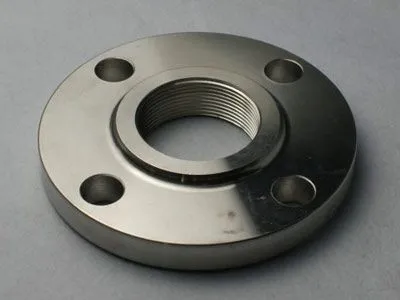
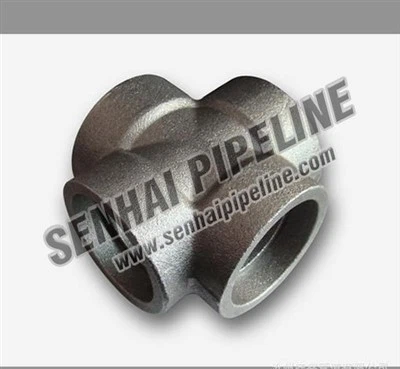
Flanges are crucial components in high - pressure systems, providing vital connections that ensure the safe and efficient operation of various industrial applications. As a flanges supplier, I have witnessed firsthand the significance of these seemingly simple yet indispensable parts in the complex machinery of high - pressure environments.
The Basics of Flanges in High - Pressure Systems
In high - pressure systems, flanges serve as a means to connect pipes, valves, pumps, and other equipment. They create a seal that can withstand extreme pressures, preventing leaks that could lead to dangerous situations, including explosions, chemical spills, and equipment failures. Flanges are typically made from materials such as carbon steel, stainless steel, and alloy steel, which offer high strength and corrosion resistance.
The design of flanges is engineered to distribute the high - pressure forces evenly across the connection. This is achieved through a combination of the flange's shape, thickness, and the type of gasket used. A well - designed flange can maintain its integrity even under the most demanding conditions, ensuring the continuous flow of fluids or gases within the system.
Types of Flanges for High - Pressure Systems
There are several types of flanges commonly used in high - pressure systems, each with its own unique features and applications.
Socket Welding Flange
One of the popular choices is the Socket Welding Flange. This type of flange is designed to be welded onto the end of a pipe. The socket provides a secure fit for the pipe, and the weld around the circumference of the flange ensures a strong and leak - tight connection. Socket welding flanges are often used in smaller - diameter pipes where space is limited and high - pressure resistance is required. They are suitable for applications in the chemical, petrochemical, and power generation industries.
Welding Neck Flange
Another important type is the Welding Neck Flange. This flange has a long, tapered neck that is welded to the pipe. The tapered design helps to reduce stress concentrations at the weld joint, making it ideal for high - pressure and high - temperature applications. Welding neck flanges are commonly used in critical systems such as oil and gas pipelines, refineries, and nuclear power plants. They provide excellent resistance to fatigue and are capable of withstanding extreme pressure fluctuations.
Carbon Steel Plate Flange
The Carbon Steel Plate Flange is also widely used in high - pressure systems. It is made from a flat plate of carbon steel and is bolted to another flange or a piece of equipment. Carbon steel plate flanges are known for their strength and durability. They are often used in general industrial applications where cost - effectiveness and reliability are important factors. These flanges can be easily customized to meet specific requirements, such as different sizes and pressure ratings.
The Role of Flanges in Ensuring System Integrity
In high - pressure systems, the integrity of the connections is of utmost importance. Flanges play a key role in maintaining this integrity by providing a reliable seal. The gasket used between two flanges is a critical element in this process. Gaskets are made from various materials, such as rubber, graphite, and metal, depending on the application. They fill the gaps between the flange faces, preventing the leakage of fluids or gases.
Flanges also allow for easy maintenance and inspection of the system. Since they are bolted or welded connections, they can be disassembled without cutting the pipes. This makes it possible to replace damaged components, clean the system, or perform routine inspections. In high - pressure systems, regular maintenance is essential to prevent failures and ensure the long - term performance of the equipment.
Challenges in High - Pressure Flange Applications
While flanges are essential for high - pressure systems, they also face several challenges. One of the main challenges is the high - pressure environment itself. The extreme forces can cause the flanges to deform or the gaskets to fail, leading to leaks. To address this issue, proper flange selection is crucial. Factors such as the pressure rating, temperature, and the type of fluid or gas being transported must be carefully considered.
Another challenge is corrosion. In many high - pressure systems, the fluids or gases being transported are corrosive. This can damage the flanges over time, reducing their strength and integrity. To combat corrosion, flanges can be coated with protective materials or made from corrosion - resistant alloys.
Quality Control in Flange Manufacturing
As a flanges supplier, quality control is a top priority. We follow strict manufacturing processes to ensure that our flanges meet the highest standards. This includes using high - quality raw materials, precise machining, and rigorous testing.
During the manufacturing process, we use advanced equipment to ensure accurate dimensions and smooth surfaces. The flanges are then inspected for any defects, such as cracks or porosity. Non - destructive testing methods, such as ultrasonic testing and magnetic particle testing, are used to detect any internal flaws.

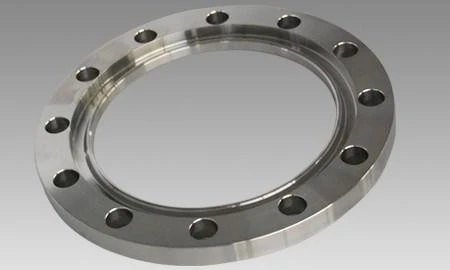
In addition, we perform pressure testing to ensure that the flanges can withstand the specified pressure ratings. This involves subjecting the flanges to high pressures in a controlled environment and monitoring for any signs of leakage or deformation.
The Future of Flanges in High - Pressure Systems
The demand for high - pressure systems is expected to continue to grow in the coming years, driven by industries such as oil and gas, power generation, and chemical processing. As a result, the role of flanges in these systems will become even more important.
Advancements in materials science and manufacturing technology are likely to lead to the development of more advanced flanges. For example, new alloys with higher strength and better corrosion resistance may be used. Additionally, innovative manufacturing techniques may allow for more precise and cost - effective production of flanges.
Contact Us for Your Flange Needs
If you are in need of high - quality flanges for your high - pressure system, we are here to help. Our extensive range of flanges, including Socket Welding Flange, Welding Neck Flange, and Carbon Steel Plate Flange, can meet a variety of applications. We have the expertise and experience to provide you with the right solutions for your specific requirements. Contact us today to discuss your flange needs and start a fruitful business partnership.
References
- ASME B16.5: Pipe Flanges and Flanged Fittings
- API 6A: Specification for Wellhead and Christmas Tree Equipment
- ASTM Standards for Steel Flanges