Hey there! As a supplier of Hexagonal Caps, I often get asked about the maximum pressure these caps can withstand. It's a crucial question, especially for those in industries where pressure management is a big deal. So, let's dive right in and explore this topic.
First off, what are hexagonal caps? Well, they're basically caps with a hexagonal shape. These caps are used in a variety of applications, mainly in piping systems. They're designed to seal the end of a pipe, preventing the flow of fluids or gases and protecting the pipe from external elements.
Now, when it comes to the maximum pressure that hexagonal caps can handle, it depends on several factors. One of the most important factors is the material the cap is made of. We offer hexagonal caps in different materials, each with its own pressure - handling capabilities.
Material Matters
- Carbon Steel: Carbon steel hexagonal caps are quite popular. Carbon steel is known for its strength and durability. It can withstand relatively high pressures. In general, carbon steel hexagonal caps can handle pressures ranging from a few hundred pounds per square inch (psi) up to several thousand psi, depending on the specific grade of carbon steel. For example, A105 carbon steel, which is commonly used in forged fittings, can handle pressures well in industrial applications. If you're interested in other carbon - related products, check out our Carbon Steel Nipples.
- Stainless Steel: Stainless steel hexagonal caps are another great option. They offer excellent corrosion resistance along with good strength. Different grades of stainless steel have different pressure ratings. For instance, 304 stainless steel can handle moderate to high pressures, while 316 stainless steel, which is more corrosion - resistant, can also handle significant pressures. Stainless steel caps are often used in applications where the environment is harsh or where there's a risk of corrosion.
- Alloy Steel: Alloy steel hexagonal caps are designed for even more demanding applications. They're made by adding various alloying elements to steel, which enhances their strength and other properties. Alloy steel caps can withstand extremely high pressures, making them suitable for high - pressure pipelines in the oil and gas industry, for example.
Design and Manufacturing
The design and manufacturing process of the hexagonal caps also play a huge role in determining their maximum pressure capacity. A well - designed cap with proper wall thickness and a smooth finish will be able to handle more pressure compared to a poorly designed one.
We use advanced manufacturing techniques to ensure that our hexagonal caps are of the highest quality. The forging process, for example, helps to create a dense and uniform structure in the cap, which improves its strength. During forging, the metal is shaped under high pressure, which aligns the grain structure of the metal and eliminates any internal defects.
Size and Dimensions
The size and dimensions of the hexagonal cap are also important. Generally, larger caps may have different pressure - handling capabilities compared to smaller ones. A larger cap may need to have a thicker wall to withstand the same pressure as a smaller cap. The thread size and pitch also matter, especially if the cap is used in a threaded connection. A proper thread engagement is necessary to ensure a tight seal and to prevent leakage under pressure.
Industry Standards
There are industry standards that govern the pressure ratings of hexagonal caps. These standards ensure that the caps are safe and reliable for use in different applications. For example, ASME B16.11 is a widely recognized standard for forged fittings, including hexagonal caps. This standard specifies the dimensions, materials, and pressure - temperature ratings for these fittings.
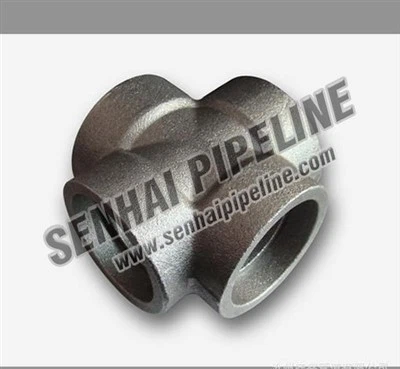
It's important to note that when using hexagonal caps in a system, the overall pressure capacity of the system is also affected by other components. For example, if you're using a hexagonal cap in a piping system with Socket Welded Equal Tee, the pressure rating of the tee and other fittings in the system will also impact the maximum pressure the system can handle.
Testing and Quality Assurance
We conduct rigorous testing on our hexagonal caps to ensure that they meet or exceed the specified pressure ratings. We use hydrostatic testing, where the cap is filled with a liquid (usually water) and pressurized to a certain level to check for any leaks or failures. We also perform non - destructive testing methods, such as ultrasonic testing and magnetic particle testing, to detect any internal defects in the caps.
Real - World Applications
In the oil and gas industry, hexagonal caps are used in high - pressure pipelines. These pipelines can carry oil, gas, or other fluids at very high pressures. The caps need to be able to withstand these pressures to prevent any leaks, which could be dangerous and costly.
In the chemical industry, hexagonal caps are used in chemical processing plants. Chemicals can be corrosive and may be transported at high pressures. Stainless steel or alloy steel hexagonal caps are often used in these applications to ensure the safety and integrity of the system.


In the power generation industry, hexagonal caps are used in steam and water pipelines. Steam can be at very high pressures and temperatures, so the caps need to be able to handle these extreme conditions.
Conclusion
So, to answer the question “What is the maximum pressure that hexagonal caps can withstand?”, it really depends on the material, design, size, and manufacturing process of the cap. We, as a supplier, are committed to providing high - quality hexagonal caps that can meet the diverse needs of our customers.
If you're in the market for hexagonal caps or other forged fittings like Swage Nipples, and you have specific pressure requirements, don't hesitate to get in touch with us. We can help you choose the right product for your application and provide you with all the technical information you need. Let's work together to ensure your piping systems are safe and efficient.
References
- ASME B16.11 - Forged Fittings, Socket - Welding and Threaded
- Material handbooks for carbon steel, stainless steel, and alloy steel