As a seasoned supplier of flanges, I've had the privilege of working with a wide array of flange types, each with its unique characteristics and applications. Among these, the lap - joint flange stands out for its distinct design and functionality. In this blog, I'll delve into the functions of a lap - joint flange, exploring its features, advantages, and common use cases.
Design and Structure of Lap - Joint Flanges
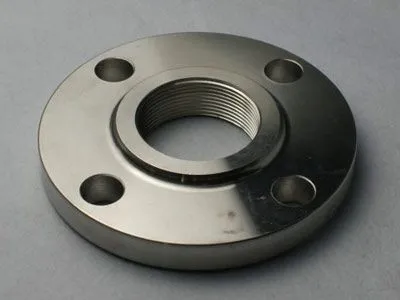
A lap - joint flange consists of two main components: a loose flange ring and a lap - joint stub end. The loose flange ring is a flat, circular piece with bolt holes around its perimeter. The lap - joint stub end, on the other hand, is a short length of pipe with a flared end that fits inside the loose flange ring. This design allows the flange ring to rotate freely around the stub end, which is a key feature contributing to its functionality.
The stub end is welded to the pipe, providing a permanent connection. The loose flange ring can then be easily aligned with the mating flange, making installation and alignment much simpler compared to other flange types. This is especially useful in situations where precise alignment is difficult to achieve, such as in large - scale piping systems or when dealing with misaligned pipes.
Functions of Lap - Joint Flanges
1. Easy Installation and Alignment
One of the primary functions of a lap - joint flange is to simplify the installation process. As mentioned earlier, the ability of the loose flange ring to rotate around the stub end allows for easy alignment with the mating flange. This is particularly beneficial in complex piping systems where multiple flanges need to be connected. Workers can quickly adjust the position of the flange ring to ensure that the bolt holes are properly aligned, reducing installation time and labor costs.
For example, in a chemical processing plant where there are numerous pipes of different sizes and orientations, using lap - joint flanges can significantly speed up the installation process. The workers can first weld the stub ends to the pipes and then easily position the loose flange rings for connection, without having to worry about precise alignment during the welding process.
2. Facilitates Maintenance and Inspection
Lap - joint flanges also play a crucial role in maintenance and inspection activities. Since the flange ring can be easily removed from the stub end, it provides convenient access to the pipe interior for inspection, cleaning, or repair. This is especially important in industries where the pipes carry corrosive or abrasive substances, as regular inspection is necessary to ensure the integrity of the piping system.
In a water treatment plant, for instance, the pipes may be subject to scaling and corrosion over time. With lap - joint flanges, maintenance workers can quickly remove the flange rings to inspect the pipes for any signs of damage or blockage. If necessary, they can also clean the pipes more effectively without having to cut or disassemble the entire piping system.
3. Accommodates Pipe Movement
Piping systems are often subject to thermal expansion, contraction, and vibration. Lap - joint flanges can accommodate these movements better than some other flange types. The loose flange ring can move slightly relative to the stub end, allowing the flange to adapt to changes in pipe length and position without causing excessive stress on the joint.
In a power generation plant, where pipes carry high - temperature steam, thermal expansion can cause significant changes in pipe length. Lap - joint flanges can help absorb these changes, reducing the risk of leaks or damage to the piping system. This function is crucial for ensuring the long - term reliability and safety of the plant.
4. Cost - Effective Solution
Lap - joint flanges can be a cost - effective choice in many applications. The loose flange ring is typically less expensive to manufacture than a fully welded flange, as it requires less material and less complex machining. Additionally, the ease of installation and maintenance associated with lap - joint flanges can lead to lower overall costs over the life of the piping system.


For small - to - medium - sized businesses or projects with budget constraints, lap - joint flanges offer a practical and economical solution without sacrificing performance. They can provide reliable connections at a lower cost compared to some other flange types, making them an attractive option for a wide range of industries.
Common Applications of Lap - Joint Flanges
1. Chemical and Petrochemical Industries
In the chemical and petrochemical industries, lap - joint flanges are widely used due to their ability to handle corrosive substances and the need for easy maintenance. Pipes in these industries often carry acids, alkalis, and other hazardous chemicals, which require regular inspection and cleaning. Lap - joint flanges allow for quick and easy access to the pipes, ensuring that any potential issues can be addressed promptly.
2. Water and Wastewater Treatment Plants
Water and wastewater treatment plants also rely on lap - joint flanges for their piping systems. These plants deal with large volumes of water, which may contain various impurities and contaminants. The ability of lap - joint flanges to facilitate maintenance and inspection is crucial for ensuring the proper functioning of the treatment processes and preventing blockages or leaks in the pipes.
3. Power Generation Plants
Power generation plants, including thermal, hydro, and nuclear power plants, use lap - joint flanges in their piping systems. These plants operate under high - temperature and high - pressure conditions, and the pipes are subject to significant thermal expansion and vibration. Lap - joint flanges can accommodate these movements, providing reliable connections and reducing the risk of failures in the piping system.
Comparison with Other Flange Types
While lap - joint flanges offer many advantages, it's important to compare them with other flange types to understand their limitations and suitability for different applications.
1. Weld Neck Flanges
Weld neck flanges are known for their high strength and durability. They are welded directly to the pipe, providing a continuous and strong connection. In contrast, lap - joint flanges have a more flexible design, which may result in slightly lower strength compared to weld neck flanges. However, lap - joint flanges are easier to install and maintain, making them a better choice in situations where these factors are more important than absolute strength. For more information on a type of weld neck flange, you can visit Long Welding Neck Flange.
2. Orifice Flanges
Orifice flanges are specifically designed for use with orifice plates, which are used to measure the flow rate of fluids in pipes. They have a special design to accommodate the orifice plate and ensure accurate flow measurement. Lap - joint flanges, on the other hand, are more general - purpose flanges used for connecting pipes. If you're interested in orifice flange facing, you can check out Orifice Flange Facing.
Conclusion
In conclusion, lap - joint flanges are a versatile and valuable component in piping systems. Their functions of easy installation, maintenance, accommodation of pipe movement, and cost - effectiveness make them suitable for a wide range of industries and applications. Whether you're in the chemical, water treatment, or power generation industry, lap - joint flanges can provide reliable connections and help ensure the smooth operation of your piping system.
If you're in the market for high - quality lap - joint flanges or other types of flanges, we're here to help. Our company has extensive experience in supplying flanges to various industries, and we can offer you the best products and services. Feel free to contact us to discuss your flange requirements and start a procurement negotiation. You can learn more about lap - joint flanges on our website Lap Joint Flange.
References
- "Piping Handbook" by Cameron G. Carr, et al.
- "Flange Design and Engineering" by George E. Dieter.
- Industry standards and guidelines from ASME, ASTM, and other relevant organizations.