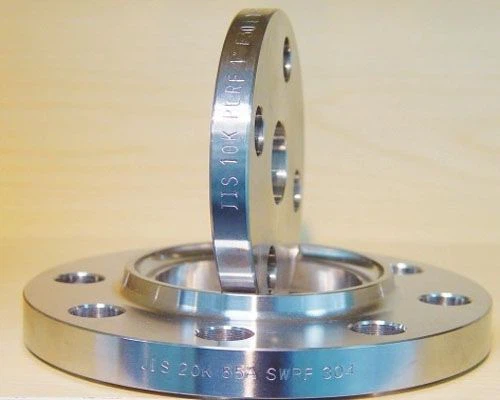
In the realm of industrial piping systems, flanges play a crucial role in connecting pipes, valves, pumps, and other equipment to form a complete and functional network. Among the various types of flanges available, welding neck flanges and socket weld flanges are two commonly used options, each with its own unique characteristics, advantages, and applications. As a welding neck flange supplier, I am often asked about the differences between these two types of flanges. In this blog post, I will delve into the key distinctions between welding neck flanges and socket weld flanges to help you make an informed decision when selecting the right flange for your project.
Design and Construction
One of the most significant differences between welding neck flanges and socket weld flanges lies in their design and construction.
A welding neck flange, as the name suggests, features a long, tapered hub that is welded to the pipe. This tapered hub provides a smooth transition between the flange and the pipe, which helps to reduce stress concentration at the weld joint. The long neck of the flange also allows for better alignment and support of the pipe, making it suitable for high-pressure and high-temperature applications. Welding neck flanges are typically made from forged steel and are available in a wide range of sizes, pressure ratings, and materials to meet the specific requirements of different industries.
On the other hand, a socket weld flange has a socket or recess in which the pipe is inserted. The pipe is then welded to the flange at the top and bottom of the socket. This design allows for a more compact and lightweight flange compared to the welding neck flange. Socket weld flanges are commonly used in small-diameter piping systems, where space is limited and the need for quick and easy installation is paramount. They are also suitable for low-pressure and low-temperature applications.
Welding Process
Another important difference between welding neck flanges and socket weld flanges is the welding process used to connect them to the pipe.
Welding neck flanges require a full penetration weld, which means that the weld must penetrate completely through the thickness of the flange and the pipe wall. This type of weld provides a strong and reliable connection that can withstand high pressures and temperatures. The welding process for welding neck flanges typically involves preheating the flange and the pipe to prevent cracking, followed by a multi-pass welding technique to ensure a proper weld bead profile.
Socket weld flanges, on the other hand, use a fillet weld to connect the pipe to the flange. A fillet weld is a triangular weld that is applied at the intersection of the pipe and the flange. This type of weld is less stringent than a full penetration weld and is relatively easier to perform. Socket weld flanges can be welded using either a manual or an automatic welding process, depending on the specific requirements of the project.
Strength and Durability
When it comes to strength and durability, welding neck flanges have a clear advantage over socket weld flanges.
The long, tapered hub of the welding neck flange provides additional reinforcement and support to the weld joint, which makes it more resistant to mechanical stress, vibration, and thermal expansion. This makes welding neck flanges ideal for applications where high strength and reliability are required, such as in oil and gas pipelines, power plants, and chemical processing facilities.
Socket weld flanges, although they are also strong and durable, are not as robust as welding neck flanges. The fillet weld used in socket weld flanges is not as strong as a full penetration weld, which means that they may be more susceptible to failure under high-pressure or high-stress conditions. However, socket weld flanges are still suitable for low-pressure and low-stress applications, such as in plumbing systems and HVAC installations.
Cost
Cost is often a significant factor when choosing between welding neck flanges and socket weld flanges.
Welding neck flanges are generally more expensive than socket weld flanges due to their more complex design, higher quality materials, and more demanding welding process. The long neck of the flange requires more material to manufacture, and the full penetration weld requires additional time and skill to perform. As a result, welding neck flanges are typically used in applications where the cost is justified by the need for high strength and reliability.
Socket weld flanges, on the other hand, are less expensive than welding neck flanges. Their simpler design and fillet weld make them easier and faster to manufacture, which reduces the overall cost. Socket weld flanges are a cost-effective option for applications where low pressure and low stress are involved and where space is limited.
Applications
The differences in design, strength, and cost of welding neck flanges and socket weld flanges make them suitable for different applications.
Welding neck flanges are commonly used in high-pressure and high-temperature applications where the integrity of the pipeline is of utmost importance. They are widely used in the oil and gas industry, power generation, chemical processing, and other industries where the pipeline system is subject to extreme conditions. Some specific applications of welding neck flanges include:
- Oil and gas pipelines: Welding neck flanges are used to connect pipelines in onshore and offshore oil and gas fields. They can withstand the high pressures and temperatures associated with oil and gas transportation.
- Power plants: In power generation, welding neck flanges are used in steam and water pipelines. They can handle the high-pressure steam and hot water, ensuring the safe and efficient operation of the power plant.
- Chemical processing: Chemical plants often use welding neck flanges in pipelines carrying corrosive and hazardous chemicals. The high strength and reliability of welding neck flanges ensure the safety of the chemical processing operations.
Socket weld flanges, on the other hand, are typically used in low-pressure and low-temperature applications where space is limited. They are commonly used in plumbing systems, HVAC installations, and other small-diameter piping systems. Some specific applications of socket weld flanges include:
- Plumbing systems: Socket weld flanges are used in residential and commercial plumbing systems to connect pipes, valves, and fittings. They provide a compact and leak-proof connection for water and drainage systems.
- HVAC installations: In heating, ventilation, and air conditioning systems, socket weld flanges are used to connect pipes and equipment. Their small size and easy installation make them ideal for use in tight spaces.
- Instrumentation lines: Socket weld flanges are also used in instrumentation lines where small-diameter pipes are required to connect sensors and control devices.
Conclusion
In conclusion, welding neck flanges and socket weld flanges are two distinct types of flanges with their own unique features, advantages, and applications. Welding neck flanges offer superior strength, durability, and performance, making them suitable for high-pressure and high-temperature applications. Socket weld flanges, on the other hand, are more cost-effective and easier to install, making them a popular choice for low-pressure and low-stress applications where space is limited.
When choosing between welding neck flanges and socket weld flanges, it is important to consider the specific requirements of your project, including pressure, temperature, pipe size, and space constraints. If you are unsure which type of flange is best for your application, I recommend consulting with a professional engineer or a flange supplier like me.
As a welding neck flange supplier, I offer a wide range of high-quality welding neck flanges in various sizes, materials, and pressure ratings to meet the diverse needs of different industries. Whether you need flanges for a large-scale industrial project or a small plumbing installation, I can provide you with the right solution at a competitive price.
If you are interested in purchasing welding neck flanges or have any questions about flange selection and application, please feel free to contact me. I am always happy to help you make the right choice for your project.
References
- "Piping Handbook" by George E. Shaw
- "Flange Design Handbook" by T. K. Das
- "Welding Handbook" by American Welding Society
In addition to our welding neck flanges, we also supply other types of flanges such as Carbon Steel Threaded Flange, Socket Welding Flange, and Lap Joint Flange. If you are interested in exploring these options or have any custom requirements, don't hesitate to reach out for a detailed discussion and potential purchase.