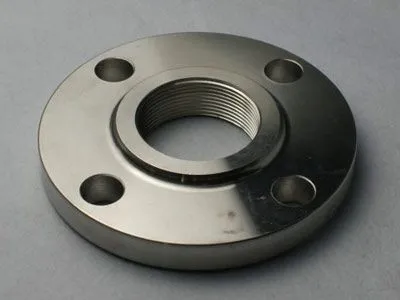
Flanges play a crucial role in various industrial piping systems, including low - pressure systems. As a flanges supplier, I have witnessed firsthand the diverse applications and importance of flanges in these systems. In this blog, I will delve into the applications of flanges in low - pressure systems, explore different types of flanges suitable for such systems, and discuss the benefits they bring.
Understanding Low - Pressure Systems
Before we dive into the applications of flanges, it's essential to understand what low - pressure systems are. Generally, low - pressure systems operate at pressures below 150 psi (pounds per square inch). These systems are commonly found in industries such as water treatment plants, HVAC (Heating, Ventilation, and Air Conditioning) systems, and some chemical processing plants where the fluid or gas being transported does not require high - pressure containment.
Applications of Flanges in Low - Pressure Systems
1. Piping Connections
One of the primary applications of flanges in low - pressure systems is to connect pipes. Flanges provide a secure and leak - tight joint between two pipes or between a pipe and other components such as valves, pumps, or tanks. In a low - pressure water distribution system, for example, flanges are used to connect sections of pipes to form a continuous network. This allows for easy installation, maintenance, and modification of the piping system. If a section of the pipe needs to be replaced or repaired, the flanges can be easily disconnected and re - connected, minimizing downtime.
2. Valve Installation
Valves are essential components in any piping system, and flanges are used to connect valves to the pipes. In a low - pressure HVAC system, various types of valves such as ball valves, gate valves, and butterfly valves are installed using flanges. The flanged connection ensures that the valve can be easily removed for maintenance or replacement. For instance, if a valve malfunctions, the flanges can be unbolted, and the valve can be quickly replaced with a new one, reducing the impact on the overall system operation.
3. Pump Connections
Pumps are used to move fluids through the piping system, and flanges are used to connect the pump to the inlet and outlet pipes. In a low - pressure chemical processing plant, centrifugal pumps are often connected to the piping system using flanges. The flanged connection provides a stable and leak - free joint, ensuring that the pump can operate efficiently. It also allows for easy alignment of the pump with the pipes, which is crucial for proper pump performance.
4. Tank Connections
Flanges are also used to connect pipes to storage tanks in low - pressure systems. In a water storage tank system, flanges are used to connect the inlet and outlet pipes to the tank. This allows for the filling and draining of the tank in a controlled manner. The flanged connection also provides a reliable seal, preventing any leakage of the stored fluid.
Types of Flanges Suitable for Low - Pressure Systems
1. Welding Neck Flange
Welding Neck Flange is a popular choice for low - pressure systems. It has a long tapered hub that provides additional reinforcement to the pipe. This type of flange is welded to the pipe, creating a strong and permanent connection. The welding neck flange is suitable for applications where the system requires a high degree of reliability and where there may be some vibration or movement. It is commonly used in low - pressure steam systems and some chemical processing applications.
2. Long Welding Neck Flange
Long Welding Neck Flange is similar to the welding neck flange but has a longer hub. This additional length provides more flexibility and better stress distribution, making it suitable for applications where there are temperature variations or where the pipe is subject to bending or torsion. In a low - pressure hot water distribution system, long welding neck flanges can be used to connect pipes that may experience thermal expansion and contraction.
3. Carbon Steel Plate Flange
Carbon Steel Plate Flange is a cost - effective option for low - pressure systems. It is made from a flat plate of carbon steel and is bolted to the pipe or other components. This type of flange is easy to install and is suitable for applications where the pressure is relatively low and where the system does not require a high - strength connection. Carbon steel plate flanges are commonly used in water supply systems and some low - pressure air handling systems.
Benefits of Using Flanges in Low - Pressure Systems
1. Easy Installation and Maintenance
Flanges make the installation and maintenance of piping systems much easier. Since they are bolted or welded together, they can be easily disassembled and reassembled. This reduces the time and cost associated with installation and maintenance. For example, in a low - pressure fire sprinkler system, flanges allow for quick installation of the pipes and easy replacement of any damaged components.
2. Leak - Tight Joints
Flanges provide leak - tight joints, which are crucial for the safe and efficient operation of low - pressure systems. The use of gaskets between the flanges ensures that there is no leakage of the fluid or gas being transported. This is particularly important in systems where the fluid is hazardous or where any leakage could cause environmental damage.
3. Flexibility and Adaptability
Flanges offer flexibility in the design and modification of piping systems. They allow for easy addition or removal of components, such as valves or pumps. This makes it possible to adapt the system to changing requirements or to accommodate future expansions. In a low - pressure industrial wastewater treatment system, flanges enable the addition of new treatment units or the modification of the existing piping layout.
4. Standardization
Flanges are available in standard sizes and specifications, which makes it easier to source and replace them. This standardization ensures compatibility between different components of the piping system and reduces the risk of installation errors. In a low - pressure plumbing system, standard flanges can be easily obtained from various suppliers, ensuring a seamless fit and reliable operation.


Conclusion
In conclusion, flanges are essential components in low - pressure systems, with a wide range of applications including piping connections, valve installation, pump connections, and tank connections. Different types of flanges, such as welding neck flanges, long welding neck flanges, and carbon steel plate flanges, are suitable for these systems, each offering unique advantages. The use of flanges provides numerous benefits, including easy installation and maintenance, leak - tight joints, flexibility, and standardization.
If you are in need of high - quality flanges for your low - pressure system, we are here to help. As a professional flanges supplier, we offer a wide range of flanges to meet your specific requirements. Whether you need standard flanges or custom - made ones, we can provide you with the best solutions. Contact us to start a procurement discussion and let us help you find the perfect flanges for your project.
References
- "Piping Handbook" by Cameron Engineering & Associates
- "Flange Design and Engineering" by Pipe Flange Institute
- Industry standards such as ASME B16.5 and API 6A for flange specifications.