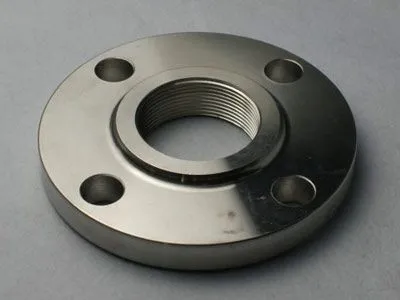
As a seasoned supplier of Blind Flanges, I've witnessed firsthand the intricate dance of factors that influence their cost. In this blog, I'll delve into the key elements that play a role in determining the price of a Blind Flange, offering insights that can help you make informed decisions when it comes to your procurement needs.
Material Composition
The material used in the manufacturing of a Blind Flange is perhaps the most significant factor affecting its cost. Different materials come with varying price tags, depending on their availability, quality, and performance characteristics.


- Carbon Steel: Carbon steel is a popular choice for Blind Flanges due to its affordability and versatility. It offers good strength and durability, making it suitable for a wide range of applications. However, the cost of carbon steel can vary depending on its grade and composition. Higher-grade carbon steels with improved corrosion resistance or mechanical properties will generally be more expensive. You can explore our Carbon Steel Plate Flange options for more details.
- Stainless Steel: Stainless steel is known for its excellent corrosion resistance, making it ideal for applications in harsh environments or where hygiene is a concern. However, the cost of stainless steel is typically higher than that of carbon steel due to the additional alloying elements and manufacturing processes involved. The specific grade of stainless steel used will also impact the price, with higher grades offering better performance and corrosion resistance.
- Alloy Steel: Alloy steel is a combination of carbon steel and other alloying elements, such as chromium, nickel, and molybdenum. These alloying elements enhance the strength, hardness, and corrosion resistance of the steel, making it suitable for high-pressure and high-temperature applications. However, the cost of alloy steel is generally higher than that of carbon steel and stainless steel due to the complexity of its composition and manufacturing process.
- Non-Ferrous Metals: Non-ferrous metals, such as aluminum, brass, and bronze, are also used in the manufacturing of Blind Flanges. These metals offer unique properties, such as lightweight, high conductivity, and excellent corrosion resistance. However, the cost of non-ferrous metals is typically higher than that of steel due to their limited availability and higher production costs.
Size and Dimensions
The size and dimensions of a Blind Flange also have a significant impact on its cost. Larger flanges require more material and more complex manufacturing processes, which can increase the price. Additionally, flanges with non-standard sizes or dimensions may require custom manufacturing, which can further drive up the cost.
- Nominal Pipe Size (NPS): The NPS is a standard measurement used to specify the size of a pipe or flange. The larger the NPS, the more material is required to manufacture the flange, which can increase the cost. For example, a 24-inch Blind Flange will generally be more expensive than a 6-inch Blind Flange due to the larger amount of material needed.
- Pressure Rating: The pressure rating of a Blind Flange indicates the maximum pressure that it can withstand. Flanges with higher pressure ratings require thicker walls and more robust construction, which can increase the cost. For example, a Blind Flange with a pressure rating of 1500 psi will generally be more expensive than a Blind Flange with a pressure rating of 150 psi.
- Thickness: The thickness of a Blind Flange also affects its cost. Thicker flanges offer greater strength and durability, but they also require more material and more complex manufacturing processes, which can increase the price. The thickness of a flange is typically determined by its size, pressure rating, and application requirements.
Manufacturing Process
The manufacturing process used to produce a Blind Flange can also impact its cost. Different manufacturing processes have different levels of complexity, efficiency, and quality, which can affect the price.
- Forging: Forging is a manufacturing process that involves shaping metal by applying compressive forces. Forged Blind Flanges are known for their high strength, durability, and excellent mechanical properties. However, the forging process is more complex and time-consuming than other manufacturing processes, which can increase the cost.
- Casting: Casting is a manufacturing process that involves pouring molten metal into a mold to create a desired shape. Cast Blind Flanges are generally less expensive than forged flanges due to the simpler manufacturing process. However, cast flanges may have lower strength and durability compared to forged flanges.
- Machining: Machining is a manufacturing process that involves removing material from a workpiece to create a desired shape. Machined Blind Flanges are typically more precise and have better surface finish than cast or forged flanges. However, the machining process is more time-consuming and expensive than casting or forging, which can increase the cost.
Quality and Certification
The quality and certification of a Blind Flange are also important factors that can affect its cost. Flanges that meet higher quality standards and have appropriate certifications are generally more expensive than those that do not.
- Quality Standards: There are several quality standards that Blind Flanges must meet, depending on their application and industry requirements. For example, flanges used in the oil and gas industry may need to meet API (American Petroleum Institute) standards, while flanges used in the food and beverage industry may need to meet FDA (Food and Drug Administration) standards. Flanges that meet these standards are typically more expensive due to the additional testing and quality control measures involved.
- Certifications: In addition to quality standards, Blind Flanges may also need to have appropriate certifications to demonstrate their compliance with industry regulations and requirements. For example, flanges used in the nuclear industry may need to have ASME (American Society of Mechanical Engineers) certifications, while flanges used in the marine industry may need to have Lloyd's Register certifications. Flanges with these certifications are generally more expensive due to the additional testing and documentation required.
Market Conditions
The market conditions, such as supply and demand, raw material prices, and currency exchange rates, can also have an impact on the cost of a Blind Flange.
- Supply and Demand: The supply and demand for Blind Flanges can fluctuate depending on various factors, such as economic conditions, industry trends, and project requirements. When the demand for flanges is high and the supply is limited, the price of flanges will generally increase. Conversely, when the demand for flanges is low and the supply is abundant, the price of flanges will generally decrease.
- Raw Material Prices: The prices of raw materials, such as steel, aluminum, and brass, can also have a significant impact on the cost of a Blind Flange. Fluctuations in raw material prices can be caused by various factors, such as global economic conditions, geopolitical events, and supply chain disruptions. When the prices of raw materials increase, the cost of manufacturing flanges will also increase, which can lead to higher prices for customers.
- Currency Exchange Rates: The currency exchange rates can also affect the cost of a Blind Flange, especially if the flanges are imported or exported. Fluctuations in currency exchange rates can make flanges more or less expensive for customers, depending on the currency in which they are priced.
Additional Features and Accessories
Finally, the additional features and accessories that are included with a Blind Flange can also affect its cost. Some common additional features and accessories include gaskets, bolts, nuts, and washers.
- Gaskets: Gaskets are used to create a seal between two flanges, preventing leakage of fluids or gases. Different types of gaskets have different levels of performance, durability, and cost. For example, a high-performance gasket made of a specialized material may be more expensive than a standard gasket made of rubber or cork.
- Bolts, Nuts, and Washers: Bolts, nuts, and washers are used to secure the flanges together. The type, size, and material of the bolts, nuts, and washers can affect their cost. For example, high-strength bolts made of alloy steel may be more expensive than standard bolts made of carbon steel.
In conclusion, the cost of a Blind Flange is influenced by a variety of factors, including material composition, size and dimensions, manufacturing process, quality and certification, market conditions, and additional features and accessories. As a supplier, we understand the importance of providing our customers with high-quality flanges at competitive prices. If you're in the market for Blind Flanges or other types of flanges, such as Lap Joint Flange, we encourage you to contact us to discuss your specific requirements. Our team of experts will be happy to assist you in selecting the right flanges for your application and providing you with a competitive quote.
References
- ASME Boiler and Pressure Vessel Code
- API Standards
- ASTM Standards
- ISO Standards