As a seasoned supplier of Blind Flanges, I've witnessed firsthand the critical role that proper storage conditions play in maintaining the integrity and performance of these essential components. In this blog post, I'll share my insights on the environmental conditions that are most suitable for storing Blind Flanges, drawing on my years of experience in the industry.
Temperature Considerations
Temperature is one of the most important factors to consider when storing Blind Flanges. Extreme temperatures can cause the material of the flanges to expand or contract, which can lead to warping, cracking, or other forms of damage.
For most types of Blind Flanges, a temperature range between 10°C and 30°C (50°F and 86°F) is ideal. This range helps to prevent thermal stress on the flanges and ensures that they remain in good condition. However, it's important to note that some materials may have specific temperature requirements, so it's always best to consult the manufacturer's guidelines.
If the storage area is subject to significant temperature fluctuations, it may be necessary to use temperature control measures such as insulation, heating, or cooling systems. These measures can help to maintain a stable temperature environment and protect the flanges from damage.

Humidity and Moisture Control
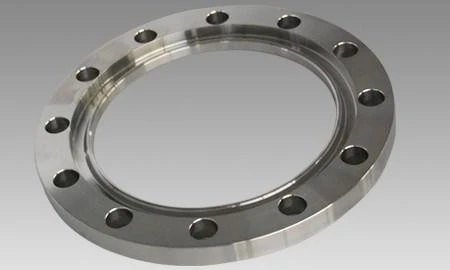
Humidity and moisture can also have a significant impact on the storage of Blind Flanges. High levels of humidity can cause corrosion and rusting, especially if the flanges are made of metal. To prevent this, it's important to keep the storage area dry and well-ventilated.
A relative humidity level of less than 60% is generally recommended for storing Blind Flanges. If the humidity level is higher than this, it may be necessary to use dehumidifiers or other moisture control measures. Additionally, it's important to store the flanges off the ground to prevent them from coming into contact with moisture.
In some cases, it may also be necessary to apply a protective coating to the flanges to prevent corrosion. This can be especially important if the flanges are going to be stored for an extended period of time or if they are going to be used in a harsh environment.
Protection from Physical Damage
Blind Flanges are relatively heavy and can be easily damaged if they are not stored properly. To prevent physical damage, it's important to store the flanges in a secure and stable location.
The flanges should be stacked in a way that distributes the weight evenly and prevents them from tipping over. It's also important to avoid stacking the flanges too high, as this can increase the risk of damage.
In addition to stacking the flanges properly, it's also important to protect them from other sources of physical damage, such as impact, abrasion, or vibration. This can be done by using padding or other protective materials to cushion the flanges and prevent them from coming into contact with hard surfaces.
Protection from Chemical Exposure
Blind Flanges can be exposed to a variety of chemicals during storage and use, which can cause corrosion and other forms of damage. To prevent this, it's important to store the flanges in a location that is free from chemical contaminants.
If the flanges are going to be used in a chemical environment, it's important to choose a material that is resistant to the specific chemicals that they will be exposed to. Additionally, it may be necessary to apply a protective coating to the flanges to prevent chemical corrosion.
Storage in a Clean Environment
Finally, it's important to store Blind Flanges in a clean environment to prevent the accumulation of dirt, dust, and other contaminants. These contaminants can cause damage to the flanges and reduce their performance.
The storage area should be regularly cleaned and maintained to ensure that it remains free from debris. Additionally, it's important to handle the flanges with clean hands and tools to prevent the transfer of contaminants.
Conclusion
In conclusion, proper storage of Blind Flanges is essential to ensure their integrity and performance. By considering the temperature, humidity, physical damage, chemical exposure, and cleanliness of the storage environment, you can help to protect your flanges from damage and ensure that they are ready for use when you need them.
If you're in the market for high-quality Blind Flanges, Blind Flange are just what you need. We also offer a wide range of other flanges, including Long Welding Neck Flange and Socket Welding Flange. If you have any questions or would like to discuss your specific requirements, please don't hesitate to contact us. We're here to help you find the right flanges for your needs and ensure that you get the best possible value for your investment.
References
- ASTM International. (2023). Standard Specification for Carbon Steel Forgings for Piping Applications. ASTM A105/A105M - 22a.
- ASME. (2023). Boiler and Pressure Vessel Code, Section VIII, Division 1. Rules for Construction of Pressure Vessels.
- Manufacturer's guidelines for Blind Flanges.