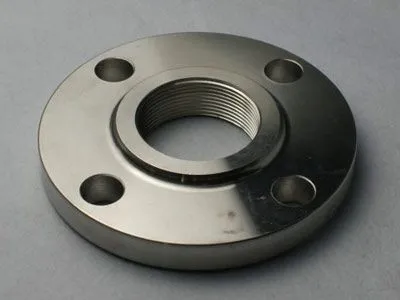
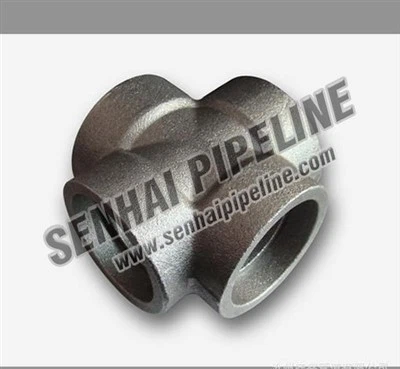
Carbon steel elbows are essential components in various industries, including oil and gas, construction, and manufacturing. As a carbon steel elbow supplier, I understand the importance of using high-quality materials to ensure the durability and performance of these products. In this blog post, I will discuss the materials commonly used in carbon steel elbows and their properties.
Carbon Steel Basics
Carbon steel is an alloy of iron and carbon, with carbon content ranging from 0.05% to 2.1%. The carbon content significantly influences the properties of the steel, such as strength, hardness, and ductility. Generally, higher carbon content results in increased strength and hardness but reduced ductility.
There are several types of carbon steel, including low carbon steel, medium carbon steel, and high carbon steel. Low carbon steel, also known as mild steel, contains less than 0.3% carbon. It is relatively soft and ductile, making it easy to form and weld. Medium carbon steel has a carbon content between 0.3% and 0.6%. It offers a good balance of strength and ductility, suitable for applications requiring moderate strength. High carbon steel, with a carbon content above 0.6%, is very hard and strong but less ductile, often used for tools and springs.
Materials Used in Carbon Steel Elbows
ASTM A234 WPB
ASTM A234 WPB is one of the most commonly used materials for carbon steel elbows. It is a low carbon steel that meets the requirements of the American Society for Testing and Materials (ASTM). WPB elbows are suitable for a wide range of applications, including water, oil, and gas pipelines.
The chemical composition of ASTM A234 WPB typically includes carbon (C) up to 0.30%, manganese (Mn) between 0.29% and 1.06%, phosphorus (P) up to 0.035%, sulfur (S) up to 0.035%, and silicon (Si) between 0.10% and 0.50%. These elements contribute to the overall properties of the steel. For example, manganese helps to improve the strength and hardness of the steel, while silicon enhances the deoxidation process during steelmaking.

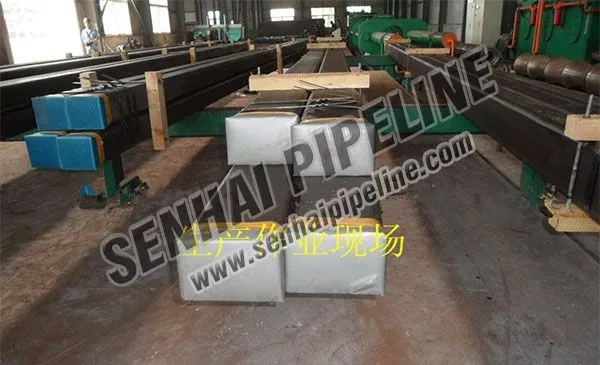
WPB elbows have good weldability and formability, which allows for easy fabrication and installation. They can withstand moderate pressures and temperatures, making them a cost - effective choice for many industrial applications.
ASTM A420 WPL6
ASTM A420 WPL6 is a low temperature carbon steel used for carbon steel elbows in applications where the temperature can drop below freezing. This material is designed to maintain its toughness and ductility at low temperatures, preventing brittle fracture.
The chemical composition of ASTM A420 WPL6 includes carbon (C) up to 0.30%, manganese (Mn) between 0.29% and 1.06%, phosphorus (P) up to 0.030%, sulfur (S) up to 0.025%, and silicon (Si) between 0.10% and 0.50%. The lower limits of phosphorus and sulfur help to improve the low - temperature toughness of the steel.
WPL6 elbows are commonly used in cryogenic applications, such as liquefied natural gas (LNG) processing plants and refrigeration systems. They are also suitable for offshore oil and gas platforms where the ambient temperature can be very low.
ASTM A860 WPHY
ASTM A860 WPHY is a high - yield strength carbon steel used for carbon steel elbows in high - pressure applications. This material offers higher strength compared to WPB and can withstand greater internal pressures.
The chemical composition of ASTM A860 WPHY varies depending on the specific grade. For example, WPHY 42 has a minimum yield strength of 42,000 psi, while WPHY 60 has a minimum yield strength of 60,000 psi. The carbon content is typically kept relatively low to maintain good weldability, and other alloying elements such as manganese, nickel, and chromium may be added to enhance the strength and corrosion resistance.
WPHY elbows are widely used in oil and gas transmission pipelines, especially in areas where high - pressure conditions exist. They are also used in power generation plants and chemical processing facilities.
Other Considerations in Material Selection
Corrosion Resistance
In some applications, corrosion resistance is a crucial factor. Carbon steel is prone to corrosion, especially in environments containing moisture, oxygen, and certain chemicals. To improve the corrosion resistance of carbon steel elbows, coatings or linings can be applied. For example, epoxy coatings can provide a protective barrier against corrosion, while polyethylene linings can be used in pipelines carrying corrosive fluids.
Manufacturing Process
The manufacturing process of carbon steel elbows also affects the choice of materials. Elbows can be manufactured by seamless or welded processes. Seamless elbows are made from a solid round bar that is heated and pierced to form a hollow tube, which is then shaped into an elbow. Welded elbows are made by welding two or more pieces of steel together. Seamless elbows generally have better mechanical properties and are more suitable for high - pressure applications, while welded elbows are more cost - effective for large - diameter and low - pressure applications.
Our Product Range and Quality Assurance
As a carbon steel elbow supplier, we offer a wide range of carbon steel elbows made from different materials, including ASTM A234 WPB, ASTM A420 WPL6, and ASTM A860 WPHY. Our products are manufactured in accordance with international standards and undergo strict quality control procedures.
We source our raw materials from reputable steel mills to ensure the quality and consistency of our products. Our manufacturing facilities are equipped with advanced machinery and technology, allowing us to produce high - precision carbon steel elbows. We also have a team of experienced engineers and technicians who can provide technical support and customization services to meet the specific requirements of our customers.
In addition to carbon steel elbows, we also offer other related products such as Cs RHS SHS, RHS SHS Carbon Steel, and Shs Rhs Smls Or Welded. These products are widely used in various industries and can be customized according to your needs.
Contact Us for Procurement
If you are in need of high - quality carbon steel elbows or other related products, we invite you to contact us for procurement. Our sales team is ready to provide you with detailed product information, competitive prices, and excellent customer service. Whether you are a small - scale project or a large - scale industrial enterprise, we can meet your requirements.
References
- ASTM International. "ASTM A234/A234M - 21 Standard Specification for Piping Fittings of Wrought Carbon Steel and Alloy Steel for Moderate and High - Temperature Service."
- ASTM International. "ASTM A420/A420M - 21 Standard Specification for Piping Fittings of Wrought Carbon Steel and Alloy Steel for Low - Temperature Service."
- ASTM International. "ASTM A860/A860M - 21 Standard Specification for Welded and Seamless High - Yield - Strength Carbon Steel Fittings for Pipelines."