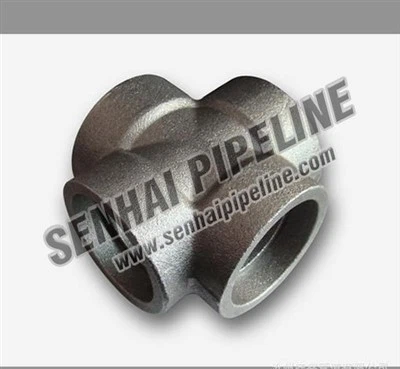
Hey there! As a Pipe Fittings Cross supplier, I often get asked about the corrosion - resistance requirements for these important components in swimming pool pipelines. Let's dive right into it.
First off, why is corrosion resistance such a big deal in swimming pool pipelines? Well, swimming pool water is no ordinary water. It's treated with chemicals like chlorine, bromine, and sometimes other sanitizers to keep it clean and safe for swimmers. These chemicals can be pretty harsh on pipes and fittings. Chlorine, for example, is a strong oxidizing agent. It can react with metals in the pipe fittings, leading to corrosion over time. Corrosion not only weakens the structural integrity of the Pipe Fittings Cross but can also contaminate the pool water. Rust particles can flake off into the water, making it look unappealing and potentially causing health issues for swimmers.
So, what are the specific corrosion - resistance requirements for a Pipe Fittings Cross in a swimming pool pipeline?
Material Selection
The choice of material is crucial when it comes to corrosion resistance. One of the most commonly used materials for Pipe Fittings Cross in swimming pool applications is stainless steel. Stainless steel contains chromium, which forms a thin, passive oxide layer on the surface of the metal. This layer acts as a barrier, preventing further oxidation and corrosion. For swimming pool use, austenitic stainless steels like 304 and 316 are popular choices. 316 stainless steel, in particular, has a higher molybdenum content compared to 304. This extra molybdenum gives it better resistance to pitting and crevice corrosion, which are common forms of corrosion in a chlorinated pool environment.
Another option is PVC (polyvinyl chloride). PVC is a non - metallic material that is highly resistant to chemical corrosion. It doesn't react with the chemicals in pool water, so it's a great choice for those looking for a long - lasting and low - maintenance solution. However, PVC has its limitations. It's not as strong as metal in terms of pressure resistance, so it might not be suitable for high - pressure swimming pool systems.
Surface Finish
The surface finish of the Pipe Fittings Cross also plays a role in its corrosion resistance. A smooth surface finish is generally better because it's less likely to trap dirt, debris, and chemicals. Rough surfaces can create areas where corrosion can start, known as crevices. For metal Pipe Fittings Cross, a polished finish can be applied to improve corrosion resistance. This polished surface not only looks better but also reduces the risk of corrosion initiation.
Coating
In some cases, applying a coating to the Pipe Fittings Cross can enhance its corrosion resistance. Epoxy coatings are commonly used for metal fittings. These coatings provide an additional layer of protection between the metal and the pool water. The epoxy coating can prevent direct contact between the metal and the corrosive chemicals in the water, reducing the chances of corrosion. However, the quality of the coating application is crucial. If the coating is not applied properly, it can peel or crack over time, exposing the metal to corrosion.
Environmental Factors
The environment in which the swimming pool is located also affects the corrosion - resistance requirements. For example, if the pool is located near the ocean, the air will contain salt particles. Salt is highly corrosive, and it can accelerate the corrosion process of the Pipe Fittings Cross. In such an environment, even stainless steel might need additional protection. Special coatings or higher - grade stainless steels might be necessary to ensure long - term corrosion resistance.
Compatibility with Other Components
The Pipe Fittings Cross doesn't work in isolation. It's part of a larger swimming pool pipeline system that includes other components like Carbon Steel Reducers and Carbon Steel Tee. It's important to ensure that all the components in the system are compatible in terms of corrosion resistance. If you mix different metals in the pipeline, it can create a galvanic cell, which can accelerate corrosion. For example, if a stainless steel Pipe Fittings Cross is connected to a carbon steel reducer without proper insulation, the carbon steel might corrode faster due to the galvanic effect.
Testing and Certification
To ensure that the Pipe Fittings Cross meets the necessary corrosion - resistance requirements, it's important to look for products that have been tested and certified. There are various industry standards and tests for corrosion resistance, such as the ASTM B117 salt spray test. This test exposes the fitting to a salt - fog environment for a specified period of time to simulate harsh conditions. If a Pipe Fittings Cross passes this test, it gives you some confidence in its corrosion - resistance capabilities.
As a supplier of Pipe Fittings Cross, I understand the importance of providing high - quality, corrosion - resistant products. We source our materials from reliable suppliers and subject our products to rigorous quality control tests. Whether you're building a new swimming pool or renovating an existing one, choosing the right Pipe Fittings Cross with the appropriate corrosion - resistance is essential for the long - term performance of your pool pipeline system.


If you're in the market for Pipe Fittings Cross for your swimming pool project, I'd love to have a chat with you. We can discuss your specific requirements, the best materials and finishes for your application, and how we can ensure that our products meet your needs. Don't hesitate to reach out for a consultation and let's work together to make your swimming pool project a success.
References
- ASTM International. ASTM B117 - Standard Practice for Operating Salt Spray (Fog) Apparatus.
- ASM Handbook Volume 13A: Corrosion: Fundamentals, Testing, and Protection.
- Pool & Spa News Magazine. Various articles on pool equipment and corrosion resistance.