Swage nipples are essential components in various piping systems, known for their ability to connect pipes of different sizes. As a supplier of high - quality swage nipples, I often get asked about their lifespan. In this blog, we'll delve into the factors that influence how long swage nipples last and provide insights to help you make informed decisions for your piping projects.
Understanding Swage Nipples
Swage nipples, also known as reducing nipples, are short pieces of pipe that have different diameters at each end. They are used to transition between pipes of different sizes, ensuring a smooth flow of fluids or gases within a piping system. These fittings are commonly made from materials such as carbon steel, stainless steel, and alloy steel, each offering unique properties suitable for different applications.
Factors Affecting the Lifespan of Swage Nipples
1. Material Quality
The material from which swage nipples are made plays a crucial role in determining their longevity. High - quality materials are more resistant to corrosion, wear, and fatigue. For instance, stainless steel swage nipples are highly resistant to rust and corrosion, making them ideal for applications in harsh environments such as chemical processing plants or marine settings. On the other hand, carbon steel swage nipples are cost - effective and suitable for general industrial applications, but they may require additional protection against corrosion if used in corrosive environments.
2. Operating Conditions
The operating conditions of the piping system have a significant impact on the lifespan of swage nipples. Factors such as temperature, pressure, and the nature of the fluid or gas being transported can all affect the performance of these fittings. High - temperature applications can cause the material to expand and contract, leading to stress and potential failure over time. Similarly, high - pressure systems can put additional strain on the swage nipples, increasing the risk of leaks or fractures. If the fluid or gas being transported is corrosive, abrasive, or contains contaminants, it can accelerate the wear and tear of the swage nipples.
3. Installation Quality
Proper installation is essential for ensuring the long - term performance of swage nipples. Incorrect installation can lead to misalignment, improper sealing, and excessive stress on the fittings, which can significantly reduce their lifespan. It is important to follow the manufacturer's installation instructions carefully, including using the correct tools and techniques. For example, when welding swage nipples, the weld quality must meet the required standards to prevent leaks and ensure a strong connection.
4. Maintenance and Inspection
Regular maintenance and inspection are key to extending the lifespan of swage nipples. By conducting routine inspections, you can detect early signs of wear, corrosion, or damage and take appropriate measures to address them. This may include cleaning the fittings, applying protective coatings, or replacing damaged components. Additionally, proper maintenance can help prevent the buildup of debris or contaminants within the piping system, which can also affect the performance of the swage nipples.
Typical Lifespan of Swage Nipples
The lifespan of swage nipples can vary widely depending on the factors mentioned above. In general, well - maintained swage nipples made from high - quality materials and installed in suitable operating conditions can last anywhere from 10 to 20 years or more. However, in more demanding applications or harsh environments, the lifespan may be significantly shorter, ranging from a few years to a decade.
For example, in a chemical processing plant where the piping system is exposed to highly corrosive chemicals, the swage nipples may need to be replaced every 3 to 5 years. In contrast, in a low - pressure, low - temperature water supply system, the swage nipples can last for 20 years or more with proper maintenance.
Comparison with Other Pipe Fittings
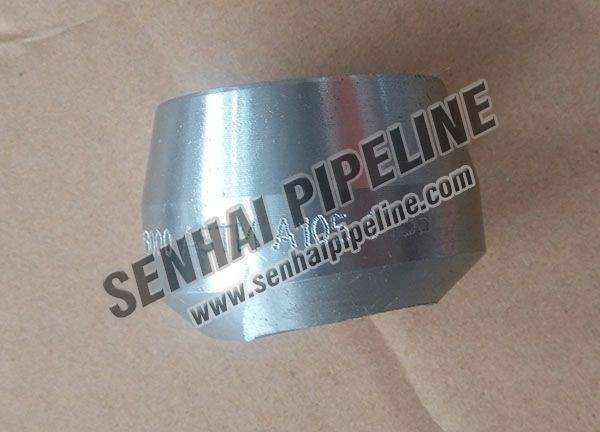
When considering the lifespan of swage nipples, it's also interesting to compare them with other types of pipe fittings. Socket Welded Olets are another type of forged fitting commonly used in piping systems. They are designed to provide a branch connection to a main pipe and are known for their strength and reliability. Like swage nipples, their lifespan depends on factors such as material quality, operating conditions, and installation quality. However, due to their different design and function, socket welded olets may have different wear patterns and failure modes.
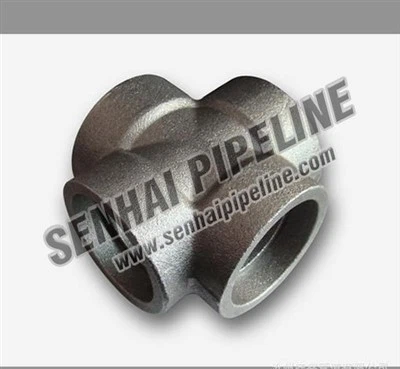
Carbon Steel Forged Cross is a fitting used to connect four pipes at right angles. These fittings are often subjected to high stress and pressure, especially in systems with multiple flow directions. While they can be durable, their lifespan may be affected by the complexity of the piping system and the operating conditions.

Carbon Steel Threaded Elbow is used to change the direction of the pipe. The threaded connection can be a potential weak point, especially if not properly tightened or if there is vibration in the system. This can lead to leaks or loosening over time, potentially reducing the lifespan of the fitting compared to swage nipples in some cases.
Extending the Lifespan of Swage Nipples
To maximize the lifespan of swage nipples, here are some recommendations:
- Choose the Right Material: Select the material based on the operating conditions of the piping system. Consider factors such as corrosion resistance, temperature and pressure ratings, and the nature of the fluid or gas being transported.
- Ensure Proper Installation: Follow the manufacturer's installation instructions carefully and use the correct tools and techniques. Hire a qualified professional if necessary to ensure a proper installation.
- Implement Regular Maintenance: Conduct routine inspections to detect and address any issues early. This may include cleaning, lubricating, and applying protective coatings as needed.
- Monitor Operating Conditions: Keep track of the temperature, pressure, and other operating parameters of the piping system. Make adjustments as necessary to prevent excessive stress on the swage nipples.
Conclusion
As a supplier of swage nipples, I understand the importance of providing high - quality products that meet the needs of our customers. The lifespan of swage nipples is influenced by various factors, including material quality, operating conditions, installation quality, and maintenance. By considering these factors and following the recommendations outlined in this blog, you can ensure the long - term performance of your swage nipples and minimize the need for frequent replacements.
If you are in the market for swage nipples or have any questions about their lifespan or performance, I encourage you to reach out to us. Our team of experts is ready to assist you in selecting the right swage nipples for your specific application and provide you with the support you need for a successful piping project. Please feel free to contact us to start a procurement discussion, and we'll work closely with you to meet your requirements.
References
- ASME B16.11 - 2018, Forged Fittings, Socket - Welding and Threaded.
- API 609 - 2017, Butterfly Valves, Double - Flanged, Lug - Type, and Wafer - Type.
- Perry, R. H., & Green, D. W. (Eds.). (2008). Perry's Chemical Engineers' Handbook. McGraw - Hill.