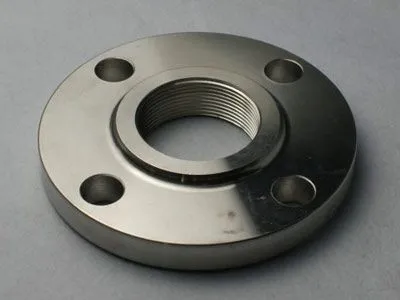
In the realm of environmental research, the concept of a "Union" holds significant promise and offers a multitude of benefits. As a supplier of Union products, I have witnessed firsthand how these components play a crucial role in facilitating and enhancing environmental research endeavors. In this blog post, I will delve into the various advantages of a Union in environmental research and explore how it contributes to the advancement of sustainable practices.
1. Flexibility and Adaptability in Research Setups
One of the primary benefits of a Union in environmental research is its flexibility and adaptability. In environmental studies, research setups often need to be adjusted and reconfigured to accommodate different experimental conditions and data collection requirements. Unions provide a convenient way to connect and disconnect pipes and fittings, allowing researchers to modify their systems easily.
For instance, in a water quality monitoring project, researchers may need to change the sampling locations or add additional sensors to the system. With the use of Unions, they can quickly and efficiently make these adjustments without the need for extensive plumbing work. This flexibility not only saves time and effort but also enables researchers to respond promptly to changing research needs.
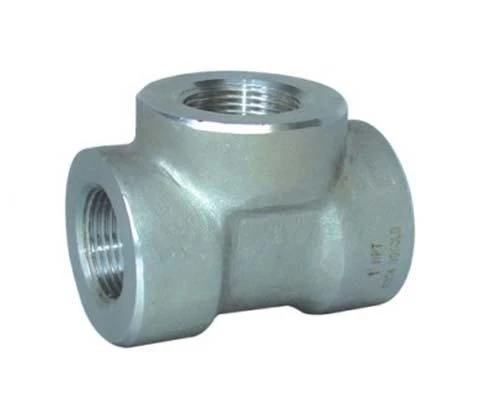
Moreover, Unions come in various sizes and materials, such as Socket Welded Equal Tee and Carbon Steel Nipples, which can be selected based on the specific requirements of the research project. This wide range of options ensures that researchers can find the most suitable components for their setups, further enhancing the adaptability of the system.
2. Leak - Proof and Reliable Connections
In environmental research, accurate data collection is of utmost importance. Any leakage in the research equipment can lead to inaccurate results and compromise the integrity of the study. Unions are designed to provide leak - proof connections, ensuring that the substances being transported, such as water, gas, or chemicals, remain within the system.
The design of Unions typically includes gaskets or seals that prevent the escape of fluids. These seals are made from high - quality materials that can withstand the harsh environmental conditions often encountered in research settings. For example, in a soil gas sampling project, where the collection of accurate gas samples is crucial for understanding soil - atmosphere interactions, a leak - proof Union connection ensures that the gas samples are not contaminated by external air, leading to more reliable data.
The reliability of Unions also means that researchers can have confidence in the long - term performance of their systems. They do not have to worry about frequent maintenance or repairs due to connection failures, allowing them to focus on the core aspects of their research.
3. Facilitation of Equipment Maintenance and Replacement
Over time, components in environmental research equipment may wear out or become damaged. Unions simplify the process of equipment maintenance and replacement. Since they allow for easy disconnection, researchers can quickly access the individual components for inspection, cleaning, or replacement.
In a wastewater treatment research facility, for example, pipes and fittings may accumulate debris or experience corrosion. With Unions, the affected parts can be easily removed and replaced without having to disassemble the entire system. This reduces downtime and ensures that the research operations can resume promptly.
Furthermore, the ability to replace individual components rather than the entire system is more cost - effective. It allows research institutions to manage their budgets more efficiently while still maintaining the functionality of their equipment.

4. Compatibility with Different Research Scales
Environmental research can range from small - scale laboratory experiments to large - scale field studies. Unions are compatible with different research scales, making them a versatile choice for various research projects.
In a laboratory setting, where precision and control are essential, small - sized Unions can be used to connect delicate instruments and tubing. These Unions can provide a secure and reliable connection without taking up too much space, allowing for a more organized and efficient laboratory setup.
On the other hand, in large - scale field projects, such as monitoring air quality across a wide area, larger Unions can be used to connect pipes and fittings in extensive networks. Their compatibility with different scales ensures that researchers can use the same type of connection technology regardless of the size of their research project.
5. Contribution to Sustainable Research Practices
Sustainability is a key aspect of modern environmental research. Unions contribute to sustainable research practices in several ways. Firstly, their reusability reduces waste generation. Instead of using permanent connections that may need to be discarded when making changes to the system, Unions can be disconnected and reused multiple times.
Secondly, the leak - proof nature of Unions helps to conserve resources. For example, in a water conservation research project, preventing water leakage through reliable Union connections ensures that water is not wasted, which is in line with the principles of sustainable resource management.
Finally, the long - term reliability of Unions means that less energy and materials are required for frequent replacements and repairs. This reduces the overall environmental impact of the research operations.
6. Enabling Collaboration and Standardization
In the field of environmental research, collaboration between different research teams and institutions is common. Unions play a role in enabling this collaboration by providing a standardized connection method.
When different teams use the same type of Unions in their research setups, it becomes easier to share equipment and data. For example, if two research teams are conducting similar water quality studies in different locations, they can use the same Union components to connect their sampling and analysis equipment. This standardization not only simplifies the process of collaboration but also allows for easier comparison of results.
Moreover, standardization of connection methods through the use of Unions helps to establish industry - wide best practices. It promotes the development of more efficient and effective research techniques, which ultimately benefits the entire environmental research community.
Conclusion
In conclusion, the benefits of a Union in environmental research are numerous and far - reaching. From providing flexibility and adaptability in research setups to contributing to sustainable practices and enabling collaboration, Unions are an essential component in modern environmental research.
As a supplier of Union products, I am committed to providing high - quality components that meet the diverse needs of environmental researchers. If you are involved in environmental research and are looking for reliable and versatile connection solutions, I encourage you to explore our range of Union products. We are ready to assist you in finding the most suitable components for your research projects and look forward to the opportunity to engage in procurement discussions with you.
References
- Environmental Science: An Integrated Approach, 3rd Edition, by William P. Cunningham and Mary Ann Cunningham.
- Handbook of Environmental Engineering, edited by Phillip C. Chow.
- Journal of Environmental Monitoring and Assessment, various issues related to research equipment and methodologies.