Hey there! I'm a supplier of Hexagonal Caps, and today I wanna chat about whether these nifty little things are suitable for marine applications.
First off, let's talk a bit about what hexagonal caps are. They're basically caps with a hexagonal shape, and they're used to seal the end of pipes or tubes. You can find them in all sorts of materials like carbon steel, stainless steel, and brass. And they come in different sizes too, so you can pick the one that fits your needs. If you're interested in checking out our range of hexagonal caps, you can click Hexagonal Caps.
Now, when it comes to marine applications, there are a bunch of factors we need to consider. The marine environment is a tough one. It's full of saltwater, which is super corrosive. There are also extreme weather conditions, like strong winds, high waves, and temperature variations. And let's not forget about the mechanical stress that pipes and fittings in the marine setting have to endure.
One of the big advantages of hexagonal caps in marine applications is their design. The hexagonal shape makes them easy to grip. When you're working on a ship or an offshore platform, you might be wearing gloves, and it can be a pain to get a good hold on a regular cap. But with a hexagonal cap, you can use a wrench or a spanner to tighten or loosen it without any hassle. This is really important when you need to do maintenance or repairs quickly.
Another plus is the sealing ability. A well - made hexagonal cap can provide a tight seal, which is crucial in the marine environment. You don't want any leaks, especially when dealing with fluids like fuel, water, or hydraulic oil. A leak could lead to all sorts of problems, from environmental pollution to equipment damage.
Now, let's talk about the materials. Stainless steel hexagonal caps are a great choice for marine applications. Stainless steel has excellent corrosion resistance, which is a must in a saltwater environment. It can withstand the constant exposure to salt and moisture without rusting or corroding easily. This means that your caps will last longer and require less maintenance.
Carbon steel can also be used, but it needs proper coating or treatment to protect it from corrosion. If you choose carbon steel hexagonal caps, make sure they have a good anti - corrosion coating. And if you're looking for other types of pipe fittings made of carbon steel, you can check out Carbon Steel Threaded Elbow.
But it's not all sunshine and rainbows. There are some potential drawbacks to using hexagonal caps in marine applications. One issue is the cost. High - quality stainless steel hexagonal caps can be pretty expensive compared to other types of caps. And if you need a large number of them for a big project, the cost can really add up.
Another thing is the weight. In the marine industry, weight is always a concern. Every extra pound can affect the fuel efficiency and performance of a ship or an offshore structure. Some hexagonal caps, especially those made of solid materials, can be relatively heavy. So, you need to factor this in when choosing your caps.
When it comes to installation, it's important to follow the right procedures. If the cap isn't installed correctly, it can lead to leaks or other problems. You need to make sure that the pipe end is clean and free of any debris before installing the cap. And you should use the right tools to tighten it to the correct torque. If you're not sure how to do it, it's always a good idea to consult a professional.
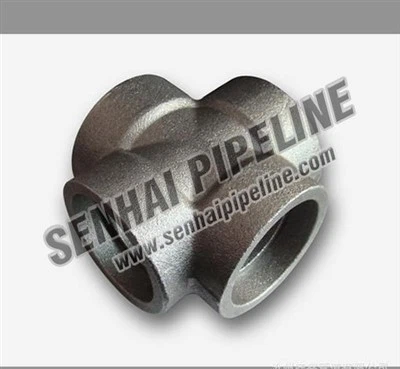
Now, let's talk about how hexagonal caps fit into the bigger picture of marine pipe systems. They're often used in conjunction with other pipe fittings like tees and elbows. For example, a Socket Welded Equal Tee can be used to split a pipe into two or more directions, and then a hexagonal cap can be used to seal off the end of one of the branches if needed.
In terms of industry standards, there are specific requirements for pipe fittings in marine applications. These standards ensure that the fittings are safe, reliable, and meet the performance criteria. When you're choosing hexagonal caps for your marine project, make sure they comply with the relevant standards. This will give you peace of mind knowing that your caps are up to the job.
In conclusion, hexagonal caps can be suitable for marine applications, but it depends on a few things. Their design, sealing ability, and the right choice of materials are all important factors. If you're willing to invest in high - quality caps and take the necessary precautions, they can be a great addition to your marine pipe systems.


If you're in the market for hexagonal caps or other pipe fittings for your marine project, I'd love to have a chat with you. We can discuss your specific needs, the best materials for your application, and the right sizes and quantities. Whether you're building a new ship, renovating an existing one, or working on an offshore platform, we've got the products to meet your requirements. So, don't hesitate to reach out and start a conversation about your procurement needs.
References
- Marine Pipe Fittings Handbook
- Corrosion Resistance in Marine Environments - A Study
- Standards for Pipe Fittings in the Marine Industry