Hey there! As a flange supplier, I've seen firsthand how important it is to use a flange spreader safely. Whether you're a seasoned pro or just starting out in the industry, getting the hang of using this tool correctly can save you a lot of headaches and, more importantly, keep you safe. So, let's dive into how to use a flange spreader safely.

Understanding the Flange Spreader
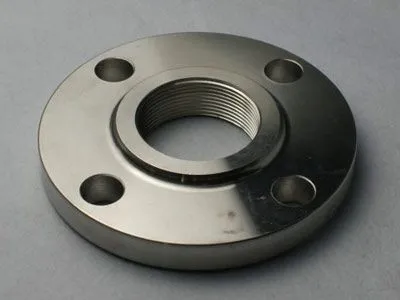
First things first, what exactly is a flange spreader? Well, it's a tool used to separate flanges, which are those flat, circular discs with holes in them that are used to connect pipes, valves, and other equipment. You'll often find them in industries like oil and gas, water treatment, and manufacturing.
There are different types of flange spreaders out there, but they all work on the same basic principle: they apply force to push the flanges apart. Some are manual, meaning you have to use your muscle power to operate them, while others are hydraulic, which use fluid pressure to do the heavy lifting.
Pre - Use Checks
Before you even think about using a flange spreader, you need to do a thorough inspection. Here's what you should look for:
- Visual Inspection: Check the spreader for any signs of damage, like cracks, dents, or worn - out parts. If you see anything that looks off, don't use it. It's better to be safe than sorry.
- Functionality Test: Make sure all the moving parts work smoothly. If it's a hydraulic spreader, check the fluid level and look for any leaks. For manual spreaders, test the handles and levers to ensure they're not loose.
- Compatibility: Make sure the flange spreader is the right size and type for the flanges you're working with. Using the wrong tool can not only damage the flanges but also put you at risk.
Setting Up the Flange Spreader
Once you've given the spreader a clean bill of health, it's time to set it up. Here's how:
- Positioning: Place the spreader between the flanges in the correct position. Most spreaders have specific points where they need to be placed to work effectively. Follow the manufacturer's instructions carefully.
- Alignment: Make sure the spreader is properly aligned with the flanges. If it's not aligned correctly, it can cause uneven force distribution, which may lead to the flanges getting damaged or the spreader malfunctioning.
- Securing: Secure the spreader in place. This may involve using bolts or other fasteners to keep it from moving during operation. A loose spreader is a dangerous spreader.
Operating the Flange Spreader
Now comes the actual operation. Here are some key points to keep in mind:
- Slow and Steady: When applying force, do it slowly and steadily. Don't try to rush the process by applying too much force all at once. This can cause the flanges to break or the spreader to fail.
- Monitor the Process: Keep an eye on the flanges as you're spreading them. Look for any signs of distortion or excessive stress. If you notice anything unusual, stop immediately and reassess the situation.
- Use the Right Technique: Depending on the type of spreader you're using, there may be a specific technique for operating it. For example, with a hydraulic spreader, you may need to pump the handle at a certain rate to build up pressure gradually.
Safety Precautions
Safety should always be your top priority when using a flange spreader. Here are some important safety precautions to follow:
- Wear Protective Gear: Always wear appropriate personal protective equipment (PPE), such as safety glasses, gloves, and steel - toed boots. This can protect you from flying debris and other potential hazards.
- Keep Clear of Moving Parts: Stay away from the moving parts of the spreader while it's in operation. Your fingers and hands are not meant to get caught in there.
- Work in a Stable Environment: Make sure the area where you're working is stable and free from any tripping hazards. A slip or fall can be extremely dangerous when you're dealing with heavy equipment.
After - Use Procedures
Once you're done using the flange spreader, there are a few things you need to do:
- Release the Pressure: If it's a hydraulic spreader, release the pressure slowly to avoid any sudden movements.
- Clean and Store: Clean the spreader to remove any dirt, grease, or debris. Then, store it in a dry, safe place. Proper storage can extend the life of the tool.
- Inspect Again: Do a final inspection to make sure there's no new damage that occurred during use.
Different Types of Flanges and Their Considerations
As a flange supplier, I know that different types of flanges have different characteristics, and these can affect how you use a flange spreader.
- Socket Welding Flange: These flanges are welded into place and are often used in smaller - diameter pipes. When using a flange spreader on socket welding flanges, be extra careful not to damage the weld. The weld is what holds the flange in place, and any damage can lead to leaks.
- Welding Neck Flange: Welding neck flanges are commonly used in high - pressure applications. They have a long, tapered neck that is welded to the pipe. When spreading these flanges, make sure the spreader is positioned in a way that won't put too much stress on the neck of the flange.
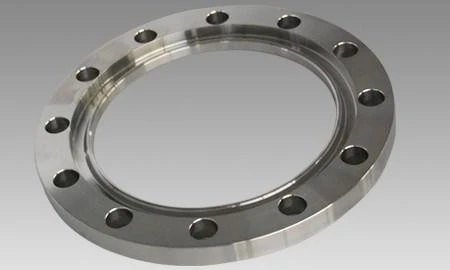
- Blind Flange: Blind flanges are used to close the end of a pipe. They don't have a hole in the center like other flanges. When using a flange spreader on blind flanges, pay attention to the distribution of force to avoid warping the flange.
Troubleshooting
Even if you follow all the steps correctly, you may still encounter some problems. Here are some common issues and how to solve them:
- Spreader Not Working: If the spreader doesn't seem to be applying enough force, check the fluid level (if it's hydraulic) or make sure all the parts are properly connected. It could also be that the spreader is too small for the job.
- Flanges Sticking: Sometimes, the flanges may be stuck together due to corrosion or dirt. In this case, you may need to use a lubricant or a wire brush to clean the surfaces before trying to spread them again.
Conclusion
Using a flange spreader safely is all about preparation, following the right procedures, and being aware of the potential risks. By doing pre - use checks, setting up the spreader correctly, operating it with care, and taking safety precautions, you can ensure a smooth and safe operation.
If you're in the market for high - quality flanges or need more information about using flange spreaders, don't hesitate to reach out. We're here to help you with all your flange needs and ensure you have a successful project.
References
- Flange Spreader Manufacturer's Manuals
- Industry Safety Guidelines for Flange Handling and Maintenance