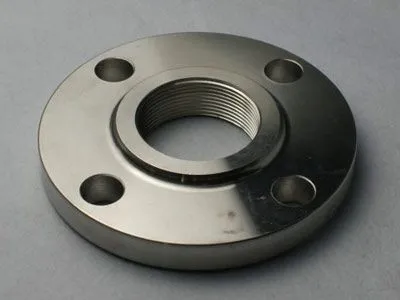
Hey there! As a supplier of Lap Joint Flanges, I've seen firsthand how important it is to keep these guys in tip - top shape. Lap Joint Flanges are super useful in a bunch of industries, from oil and gas to water treatment. They're known for their easy installation and the ability to rotate, which makes them a popular choice. So, let's dive into how to maintain these flanges properly.
Regular Visual Inspections
The first step in maintaining a Lap Joint Flange is to do regular visual inspections. You don't need to be a rocket scientist to do this; just take a good look at the flange every once in a while. Check for any signs of corrosion. Corrosion can eat away at the flange over time, weakening its structure. Look for rust spots, discoloration, or any pitting on the surface.
If you notice any corrosion, it's important to address it right away. You can start by cleaning the affected area. Use a wire brush to gently scrub off the rust. For more stubborn corrosion, you might need to use a chemical rust remover. But be careful when using these chemicals; follow the instructions on the label to avoid any damage to the flange.
Another thing to look for during a visual inspection is any signs of leaks. Check around the edges of the flange for any wet spots or drips. Leaks can be a big problem as they can lead to loss of product, environmental hazards, and even safety issues. If you find a leak, you'll need to tighten the bolts or replace the gasket.
Bolt Tightening
Bolt tightening is a crucial part of maintaining Lap Joint Flanges. Over time, the bolts can loosen due to vibration, temperature changes, or normal wear and tear. Loose bolts can cause leaks and reduce the overall integrity of the flange connection.
You should have a regular bolt - tightening schedule. A good rule of thumb is to check the bolt tightness every few months, depending on the operating conditions. Use a torque wrench to ensure that the bolts are tightened to the correct specification. The torque specification can usually be found in the manufacturer's documentation.


When tightening the bolts, make sure to do it in a criss - cross pattern. This helps to distribute the pressure evenly across the flange. If you don't tighten the bolts evenly, it can cause the flange to warp, leading to leaks.
Gasket Replacement
The gasket is an important part of the Lap Joint Flange assembly. It provides a seal between the two flanges, preventing leaks. Over time, gaskets can wear out or get damaged. Signs of a worn - out gasket include leaks, compression set, or physical damage.
When it's time to replace the gasket, make sure to choose the right one. There are different types of gaskets available, such as rubber gaskets, asbestos - free gaskets, and metal gaskets. The type of gasket you choose will depend on the operating conditions, such as temperature, pressure, and the type of fluid being transported.
Before installing a new gasket, clean the flange surfaces thoroughly. Remove any old gasket material, dirt, or debris. Make sure the surfaces are smooth and free of any scratches or nicks. Then, carefully place the new gasket between the flanges and tighten the bolts according to the torque specification.
Lubrication
Lubrication can play a big role in the maintenance of Lap Joint Flanges. Applying a suitable lubricant to the bolts and the flange surfaces can help prevent corrosion and make it easier to tighten and loosen the bolts.
You can use a high - quality anti - seize compound on the bolts. This compound helps to prevent the bolts from seizing up, especially in high - temperature or corrosive environments. Apply the anti - seize compound to the threads of the bolts before installing them.
For the flange surfaces, you can use a light coating of lubricant to reduce friction. This can be especially useful if the flange needs to rotate. However, make sure not to use too much lubricant, as it can attract dirt and debris, which can cause problems.
Storage
If you have Lap Joint Flanges in storage, proper storage is essential to maintain their quality. Store the flanges in a dry, clean environment. Avoid storing them in areas where they can be exposed to moisture, chemicals, or extreme temperatures.
You can also protect the flanges by covering them with a plastic sheet or a protective coating. This helps to prevent corrosion and damage during storage. If you're storing the flanges for a long time, it's a good idea to check on them periodically to make sure they're still in good condition.
Comparison with Other Flanges
It's interesting to compare Lap Joint Flanges with other types of flanges, like Blind Flange and Welding Neck Flange. Blind Flanges are used to close the end of a pipe, while Welding Neck Flanges are welded directly to the pipe. Lap Joint Flanges, on the other hand, are easy to install and can rotate, which gives them an edge in some applications.
However, each type of flange has its own maintenance requirements. Blind Flanges need to be inspected for corrosion and proper sealing, just like Lap Joint Flanges. Welding Neck Flanges require careful welding during installation and regular inspection of the welds for cracks or defects.
Why Maintenance Matters
Proper maintenance of Lap Joint Flanges is not just about keeping them in good condition; it's also about safety and cost - effectiveness. Well - maintained flanges are less likely to leak, which reduces the risk of accidents and environmental damage. They also last longer, which means you don't have to replace them as often, saving you money in the long run.
If you're in the market for Lap Joint Flanges or need more information on their maintenance, I'm here to help. As a supplier, I have a deep understanding of these products and can provide you with high - quality flanges and expert advice. You can check out our Lap Joint Flange product page for more details. Whether you're a small business or a large industrial operation, we can work with you to meet your needs. If you have any questions or are interested in purchasing Lap Joint Flanges, don't hesitate to reach out. Let's start a conversation and see how we can help you with your flange requirements.
References
- Flange Installation and Maintenance Guide, Industry Standard Publication
- Manufacturer's Documentation for Lap Joint Flanges